S-TOKYO Coworking Space in Nihonbashi: Plans, Access & Community (2026)
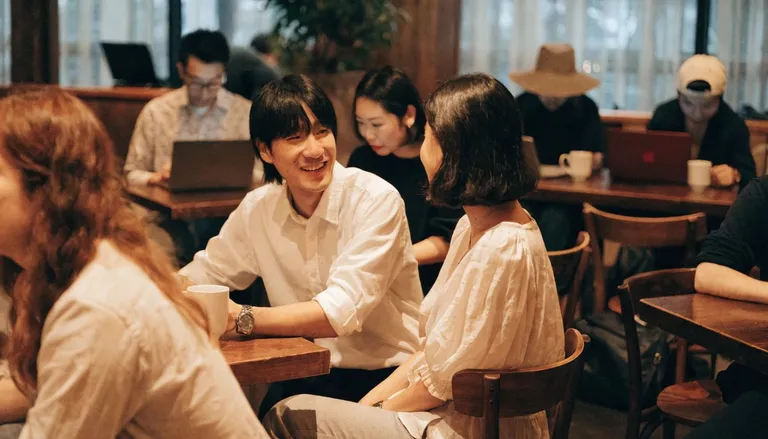
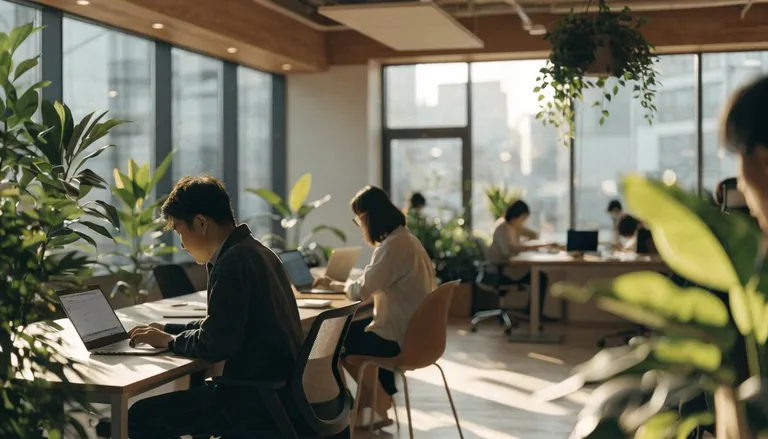
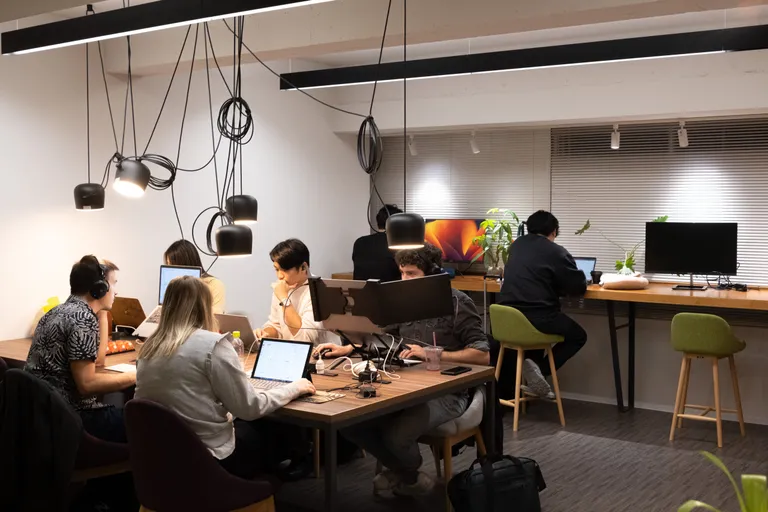
S-TOKYO is a community coworking space in Tokyo's Nihonbashi, with 24-hour access, flexible day/week/month plans, and a genuine international nomad community.
Read More
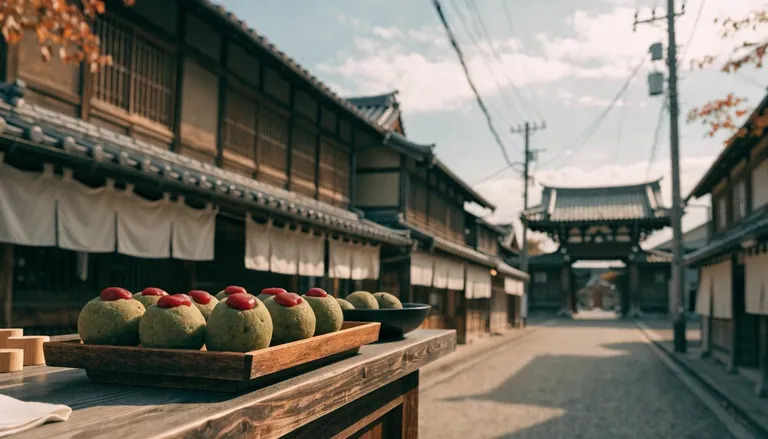
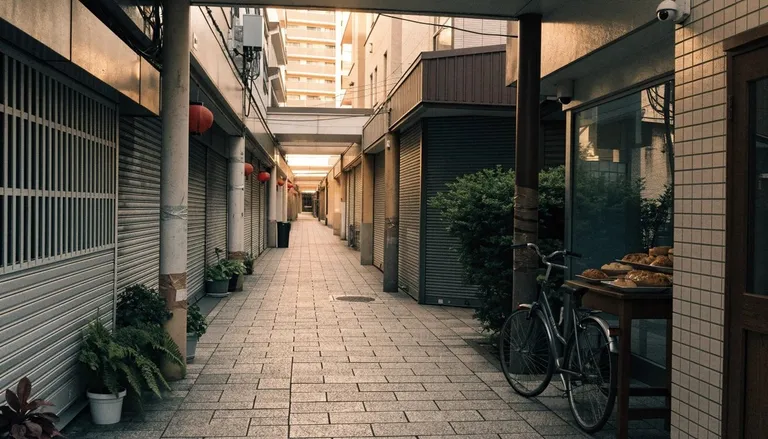
S-TOKYO is a community coworking space in Tokyo's Nihonbashi, with 24-hour access, flexible day/week/month plans, and a genuine international nomad community.
Read More
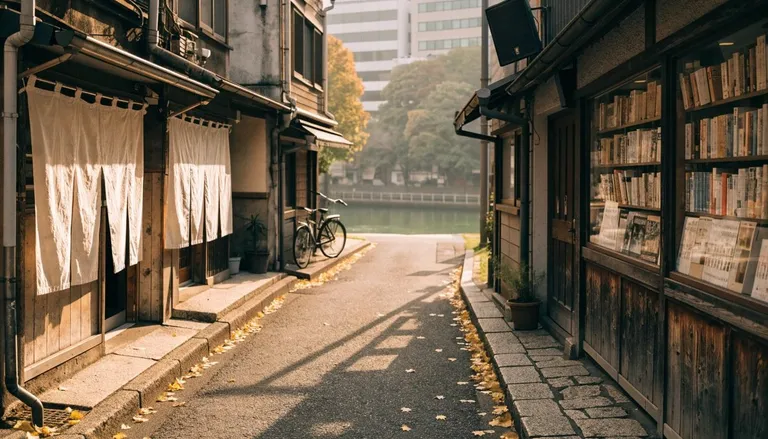
Shibamata is an old temple town in east Tokyo with a dango-lined approach, Taishakuten's wood carvings and a hand-rowed river ferry. An easy half day.
Read More
Asagaya pairs a covered shopping arcade, small jazz bars and leafy streets with fast Chuo line access to Shinjuku. A calm, livable Tokyo base.
Read More
Takadanobaba mixes cheap ramen, Burmese food, language schools and three train lines, two stops from Shinjuku. A lively, affordable Tokyo base.
Read More
Kinshicho mixes a big park, a concert hall, malls, and fast Sobu and Hanzomon line links. A practical, well-priced east Tokyo base for remote workers.
Read More
Sugamo pairs the temple street of Jizo-dori and old-school snacks with fast Yamanote and Mita line links. A calm, practical base in north Tokyo.
Read More
Akabane is a north Tokyo hub with daytime izakaya, lively shopping streets, the Arakawa riverbank, and fast trains to Ikebukuro and Shinjuku.
Read More
Gotanda is a Yamanote line hub with startups, cheap lunches, the Meguro River, and quick links to Haneda. How it works as a base for remote workers.
Read More
Korean food, halal groceries, two train lines and Shinjuku one stop away. How Shin-Okubo works as a base for digital nomads in Tokyo.
Read More
Futako-Tamagawa pairs a big Tama River riverside with easy trains to Shibuya. How it works for cafe days, errands, long walks and a calmer base.
Read More
Ryogoku mixes sumo stables, chanko nabe, quiet riverside walks, and fast trains to Akihabara and Shinjuku. How it works as a Tokyo base for remote workers.
Read More
Togoshi-Ginza has one of Tokyo's longest shopping streets, quick trains to Gotanda, and low-key daily life. How it works as a base for remote workers.
Read More
Kitasenju pairs a major rail hub with an old post-town street, cheap izakaya, and quiet riverbanks. How it works as a Tokyo base for remote workers.
Read More
Antique shops, small cafes, and a slower pace on the Chuo line. How Nishi-Ogikubo works as a Tokyo base for remote workers, and who it suits.
Read More
Okutama is still Tokyo, about two hours west by JR train. River gorges, a mountain lake and a riverside sake brewery, planned around a workday.
Read More
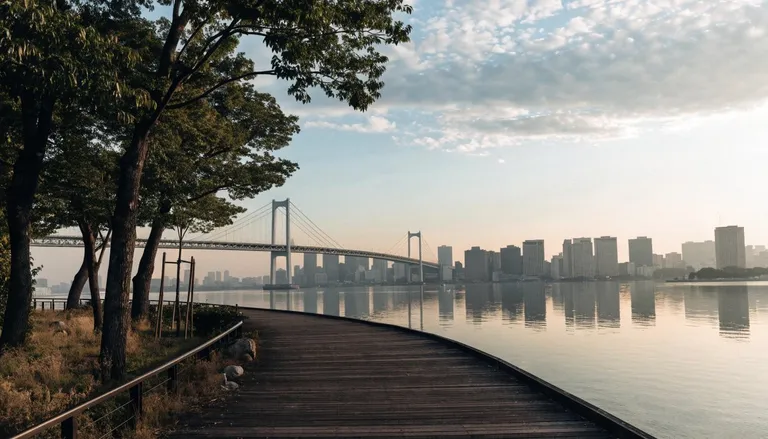
Odaiba is Tokyo's bayside district of wide promenades and big malls. Here is how remote workers can use it for a calm half-day away from the desk.
Read More
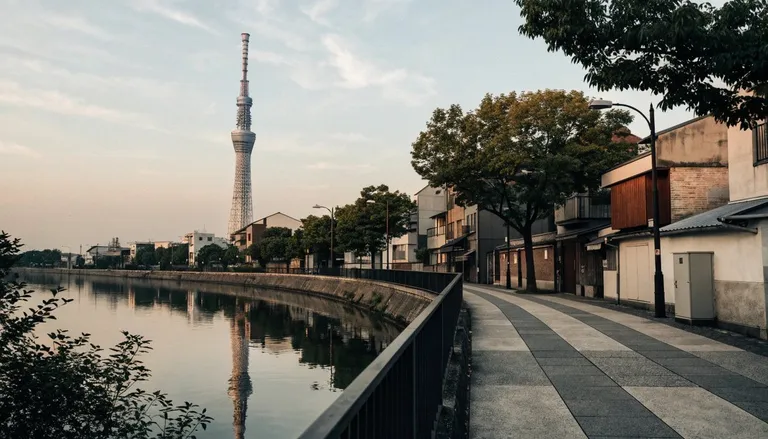
Oshiage, the neighborhood around Tokyo Skytree, is calmer than its landmark suggests. Here is how remote workers can use it for work, meals and river walks.
Read More
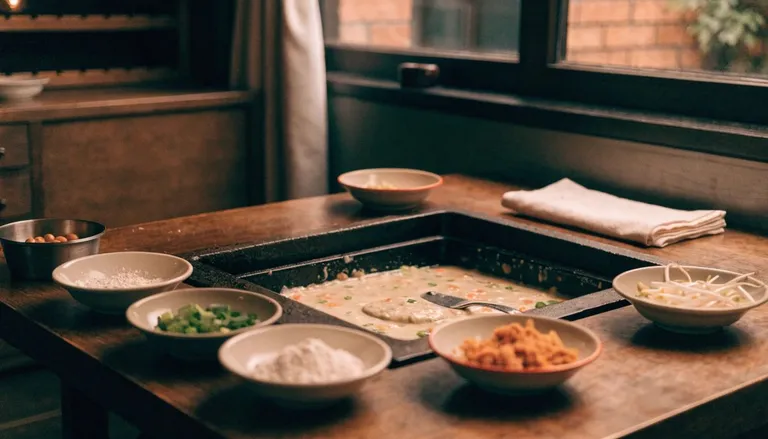
Tsukishima's Monja Street packs dozens of grill-at-the-table restaurants into one lane. Here is how to enjoy it and use the area as a calm base.
Read More
Harajuku is loud, Omotesando is calm, and a side street joins them. Where to work, when to visit, and where to stay away from on weekends.
Read More
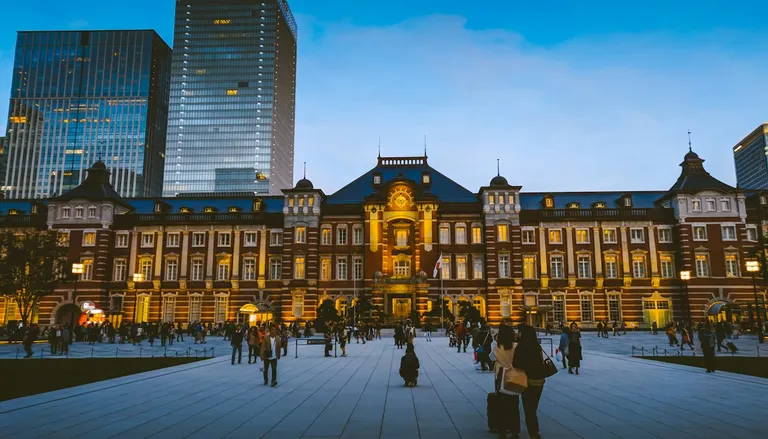
Marunouchi and the Tokyo Station area suit short, focused work days and smooth arrivals. Here is how to use the district well, and where it falls short.
Read More
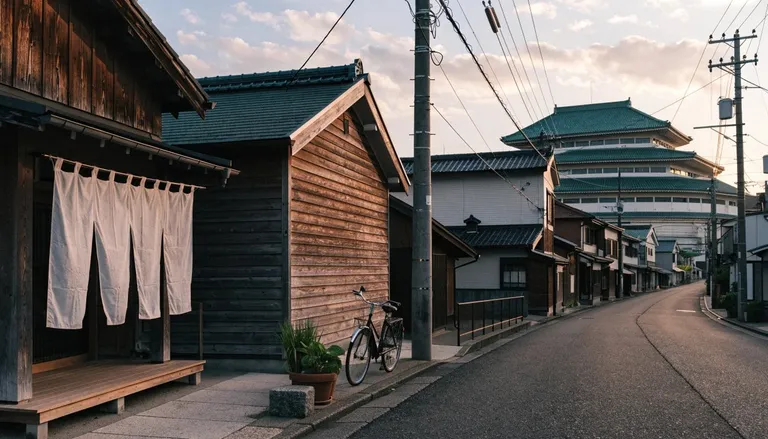
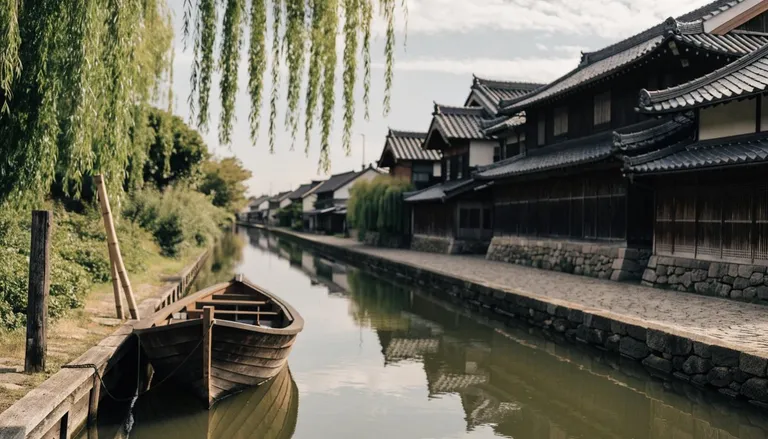
Sawara, in Chiba, is a canal town of old merchant houses about two hours from Tokyo. How to get there and plan a slow day as a remote worker.
Read More
Ten minutes from Shibuya on the Toyoko line, Jiyugaoka pairs quiet streets and cafes with easy trains. Here is how it works as a remote-work base.
Read More
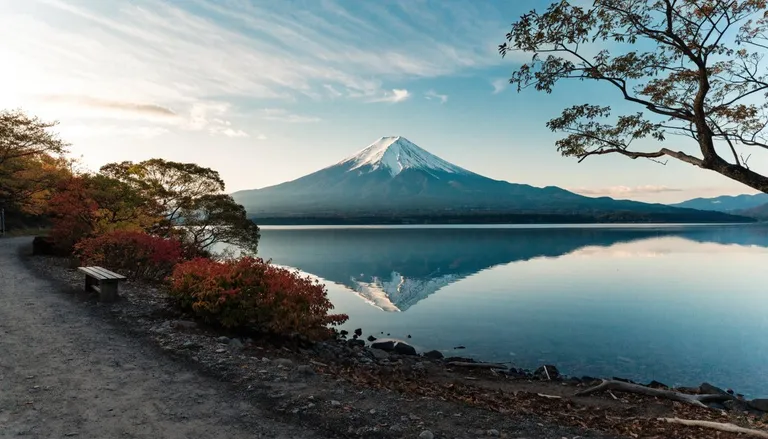
Kawaguchiko is about two hours from Shinjuku by bus or train. How to plan a Fuji Five Lakes day trip with a work block, and when to stay over.
Read More
Karuizawa is about an hour from Tokyo Station by Shinkansen: cool air, forest cafes and a quiet desk day. How to plan the trip and when to go.
Read More
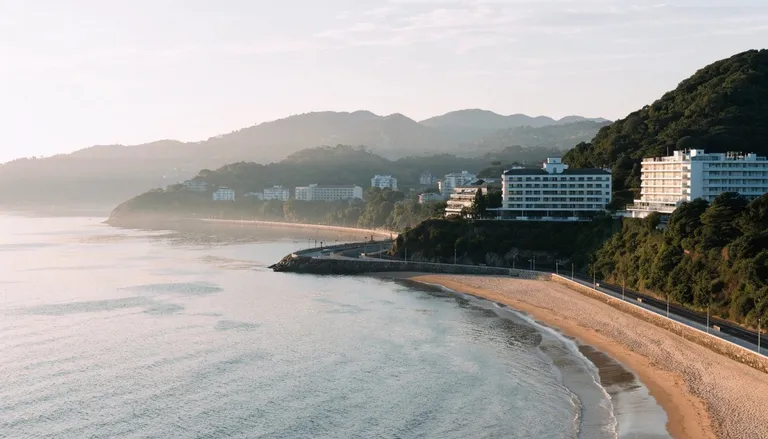
Atami is about 45 minutes from Tokyo by Shinkansen: a hillside onsen town on the bay. How to plan a day of work, a footbath and a sea walk.
Read More
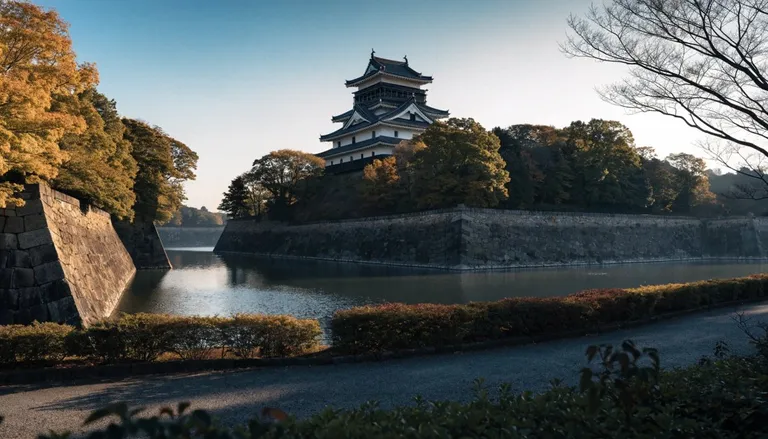
Odawara is about 35 minutes from Tokyo Station by Shinkansen: a castle, a fishing coast and a quiet base for a half day of work. How to plan it.
Read More
Chichibu is about 80 minutes from Ikebukuro: mountains, a shrine town and local food. How to fit it around a workday, and when to avoid it.
Read More
Daikanyama is a small, calm neighborhood one stop from Shibuya. Here is how to use its bookstores and cafés as a workday base, and where it falls short.
Read More
Monzen-Nakacho is an old shrine town on the Tozai and Oedo lines with cheap izakaya and a slow pace. Here is how it works as a base, and where it falls short.
Read More
Sangenjaya (Sancha) is minutes from Shibuya yet feels like a real town. How it works as a base for cafe work, groceries and evenings.
Read More
Nihonbashi pairs Edo-era merchant history with Tokyo Station access and modern towers. Here is how it works as a quiet, well-connected base.
Read More
Shinagawa is Tokyo's transit and business hub, minutes from Haneda and the Shinkansen. Here's where to work, stay, and why it's an underrated base.
Read More
Ebisu pairs an easy commute with calm residential streets and a genuine café scene. Here is how it actually works as a nomad base.
Read More
Ginza is Tokyo's grid of flagship stores and old-money restaurants, not a nomad base. Here is how to use it well without treating it as one.
Read More
Akihabara is Tokyo's electronics district, and a surprisingly workable base. Where to buy a cable at 9pm, where to sit, and which streets stay calm.
Read More
Enoshima is about an hour from Shinjuku: a small island with shrines, caves, a sea view of Fuji and enough cafes to work a half day. How to plan it.
Read More
Ikebukuro is cheaper and calmer than Shinjuku or Shibuya, with a park that works as an office. Here is how to use each side of the station.
Read More
Ueno is a transit hub with a park, a museum cluster and a street market attached. Here is how to work from it, where to sit, and when to leave.
Read More
Shinjuku is Tokyo's busiest hub and its most misread work district. Here is how to pick a side of the station, find quiet, and use the late hours well.
Read More
Shibuya is louder and pricier than most nomad bases, but it buys speed, coworking density and late hours. Here is how to work there without burning out.
Read More
Hakone is about 90 minutes from Shinjuku. Here is when a day trip is enough, when to stay the night, and how to plan the loop without rushing.
Read More
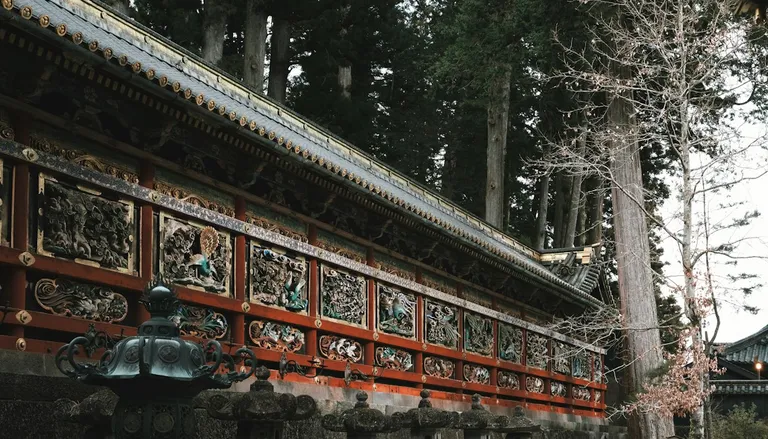
Nikko is roughly two hours from Asakusa by limited express. Here is how to fit the shrines, the mountain and the trip home into a single day.
Read More
Asakusa is cheap, has direct trains to both airports, and is busier than it looks. Here is how the neighborhood actually works as a base for remote work.
Read More
Nakameguro is a canal-side Tokyo neighborhood with strong cafe density and calm weekdays. Here is how it actually works as a base for remote work.
Read More
Roppongi is the easiest Tokyo neighborhood to live in without Japanese, and one of the most expensive. Costs, transport, coworking, daily life in Azabu-Juban, and who should base somewhere else.
Read More
Thirty minutes from Shibuya, a harbor city with sea air, wide sidewalks and a completely different pace. Close enough to work the morning and still be back for dinner.
Read More
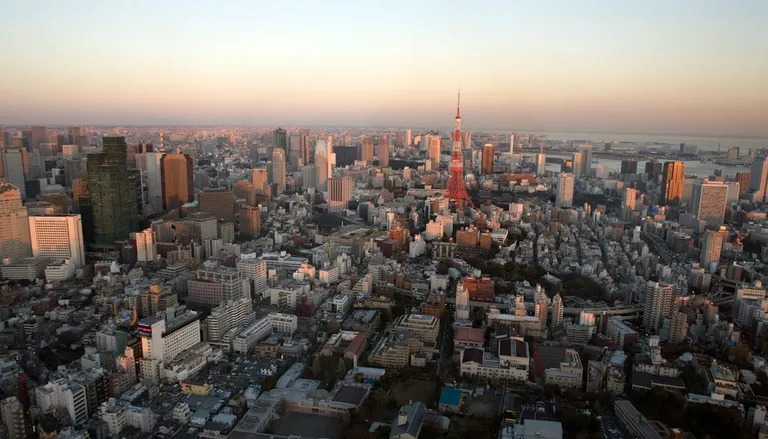
Tokyo sells its skyline at around 3,000 yen a head, but several of the best views cost nothing. Here is which free observation decks are open right now, which one is still closed for repairs, and when to go.
Read More
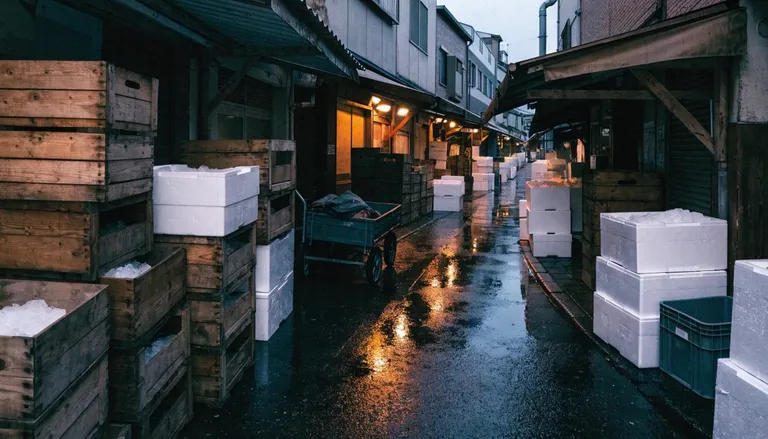
Tokyo has two fish markets now, and they do different jobs. A practical guide to what is where, when to go, and how to turn a jet-lagged 5am into the best morning of your week.
Read More
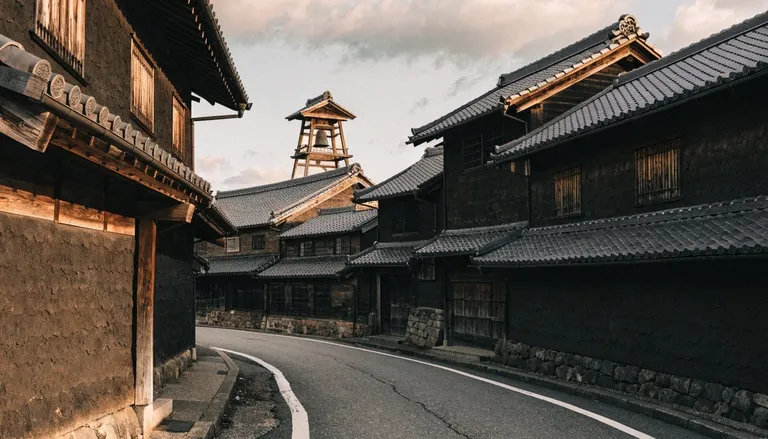
Clay-walled merchant houses, a wooden bell tower and a street of sweet shops. Kawagoe is the shortest trip out of Tokyo that still feels like leaving.
Read More
Why the hours between 6am and 10am are the most underused working window in Tokyo, and where to actually spend them: early-opening cafés, morning sets, quiet parks, and empty trains.
Read More
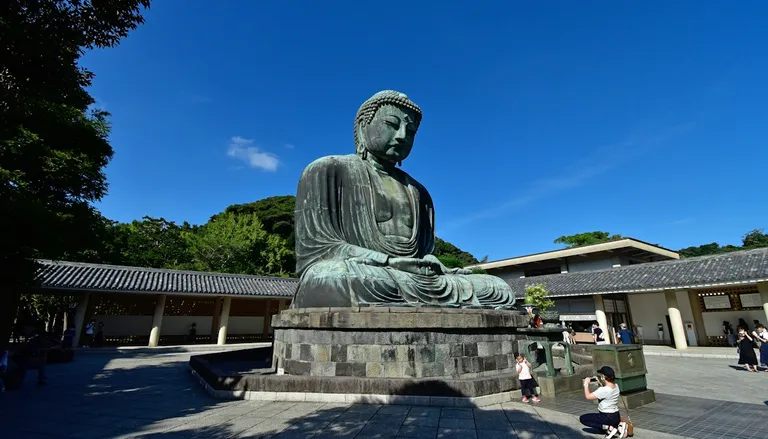
An hour south of Tokyo, a small seaside town with temples, a bamboo grove and a slow local train. Go on a weekday and it feels like a different country.
Read More
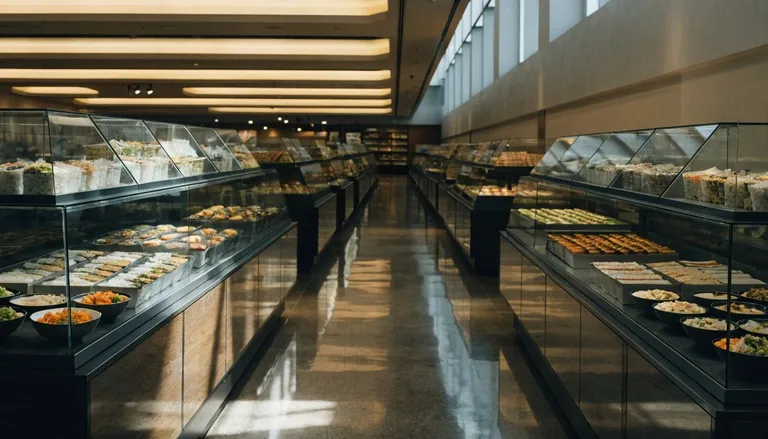
Depachika are the food halls in the basements of Tokyo department stores. What they sell, when the evening discounts start, and how to shop one well.
Read More
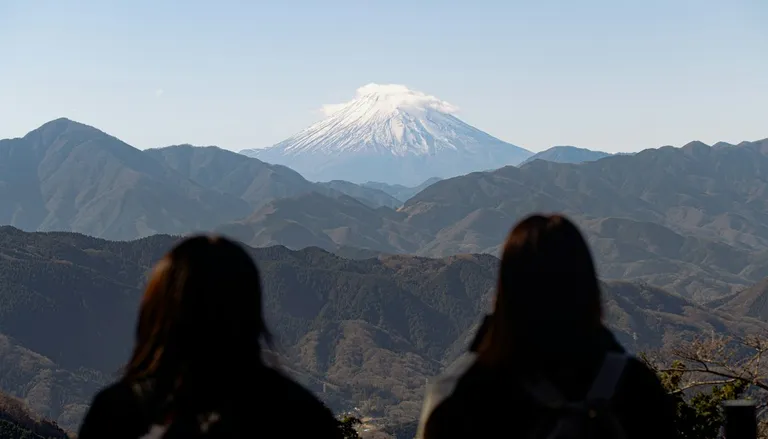
A real mountain, a real forest and a summit view sit at the end of a Tokyo train line. With an early start you can climb it and still be back at your desk for afternoon calls.
Read More
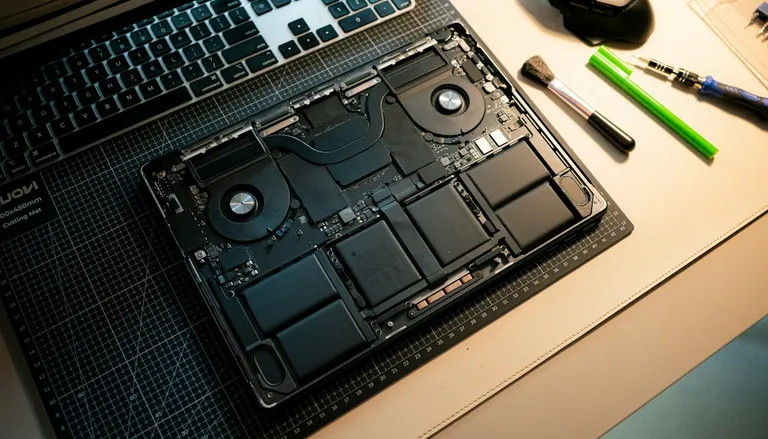
Tokyo can fix or replace almost any machine within a day. The friction is warranty paperwork, keyboard layouts and Japanese-only intake forms, not the repair itself.
Read More
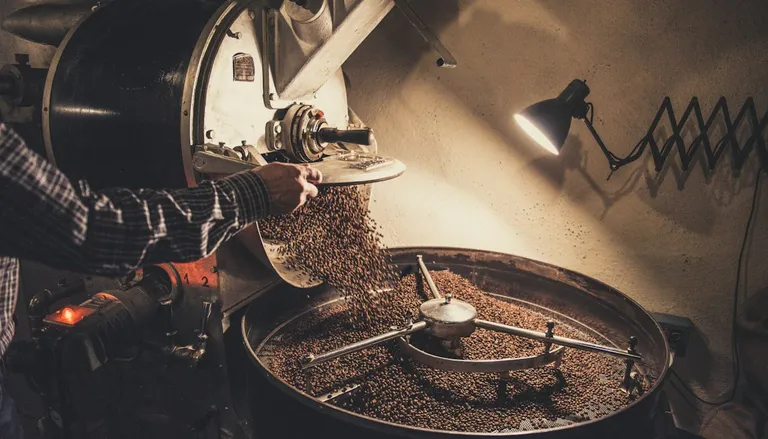
Old warehouses, a serious roasting scene, a strollable garden and rents that still make sense. How eastern Tokyo's coffee neighborhood works as a base.
Read More
Arriving in Tokyo comes with guides. Leaving does not. Here is what to close, cancel, notify and carry out the door, and when to start.
Read More
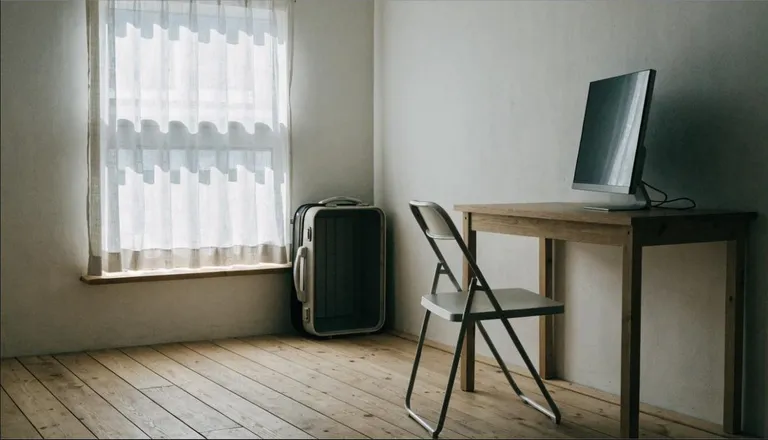
Tokyo will rent you a monitor, a suit, a suitcase, a camera, a bicycle and a folding chair. For a stay measured in weeks or a few months, renting is usually cheaper than buying and always cheaper than carrying.
Read More
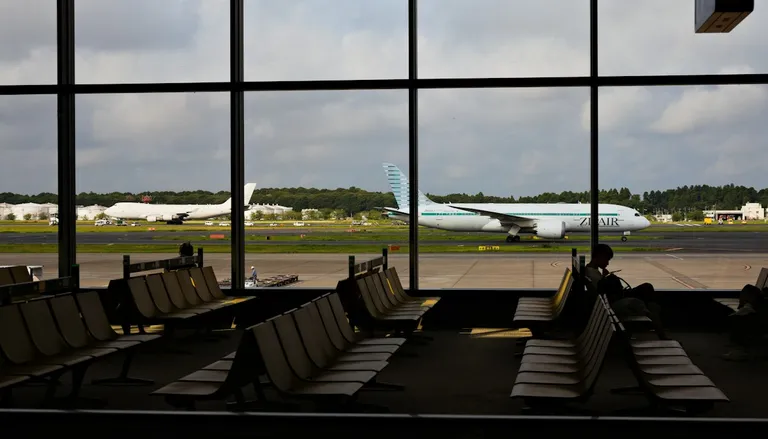
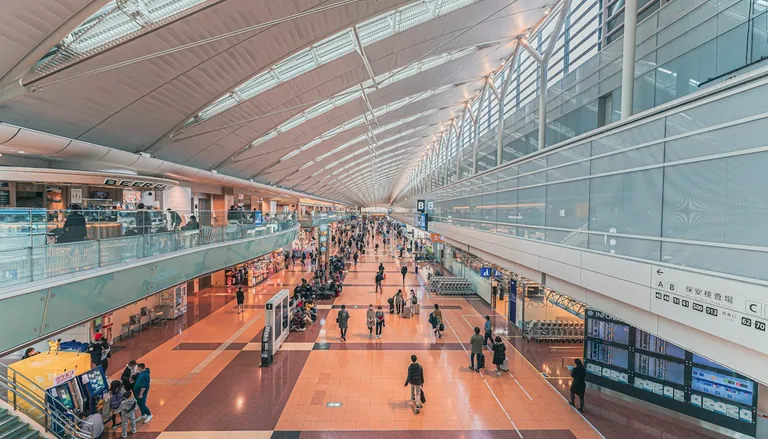
How to turn a Tokyo layover or a long pre-flight window into usable working hours, and what Haneda and Narita each do well for someone traveling with a laptop.
Read More
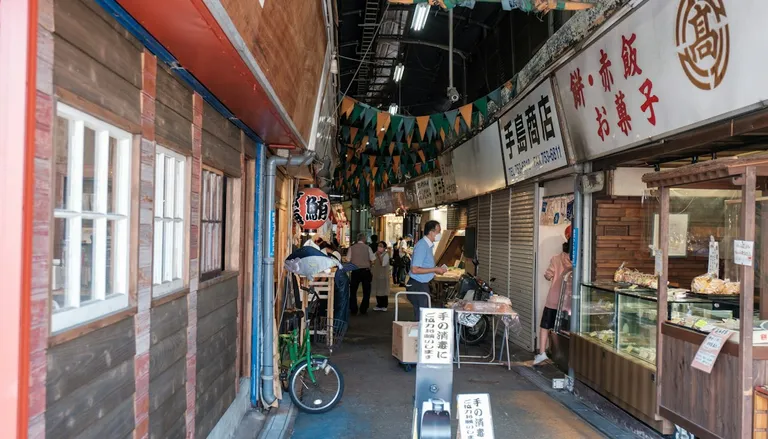
A shotengai is the local shopping street near your station. What they are, what you can buy, and why they beat the supermarket on price and speed.
Read More
A park, a jazz-era alley, department stores, and a fifteen-minute ride to Shinjuku. Here is how Kichijoji works as a base for remote workers who want calm without giving up the city.
Read More
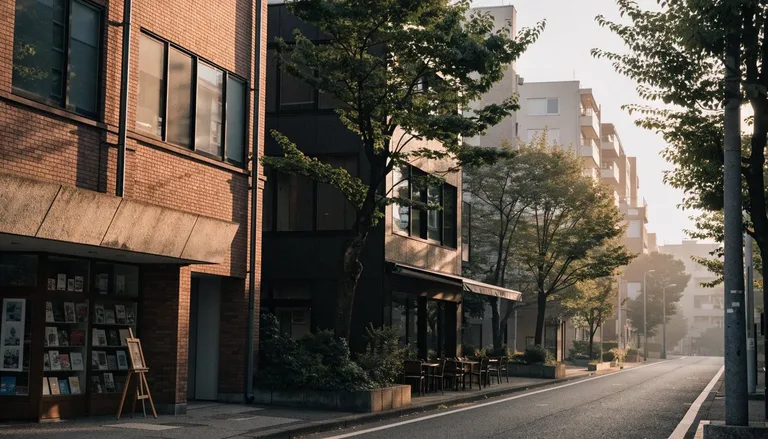
Gusto, Jonathan's, Saizeriya and their rivals offer cheap seats, a drink bar and long opening hours. Here is when a Tokyo famiresu beats a café, and when it does not.
Read More
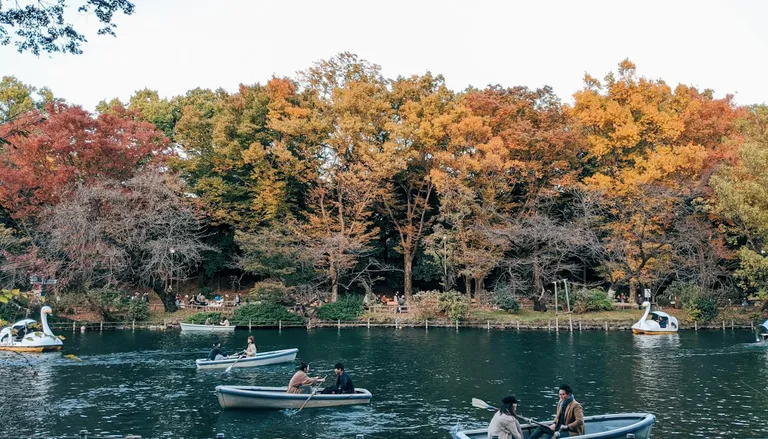
Autumn is the season Tokyo makes the easiest case for itself, and a few small adjustments turn it into the most productive stretch of the year for remote workers.
Read More
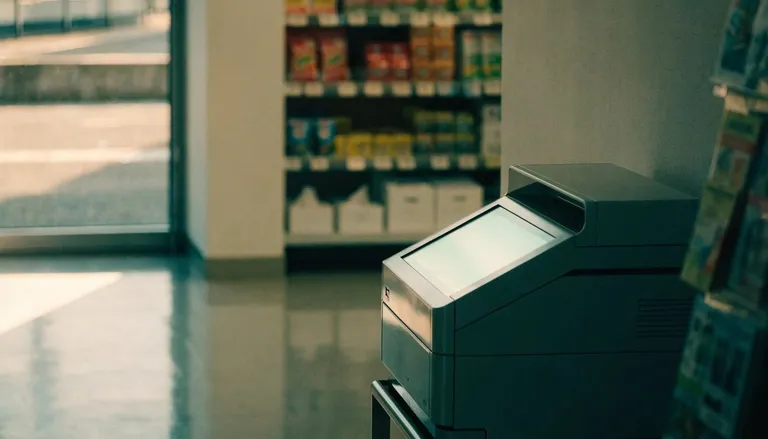
No printer? The copiers at 7-Eleven, FamilyMart and Lawson print, scan and copy for coins. How netprint and network print work, step by step, in English.
Read More
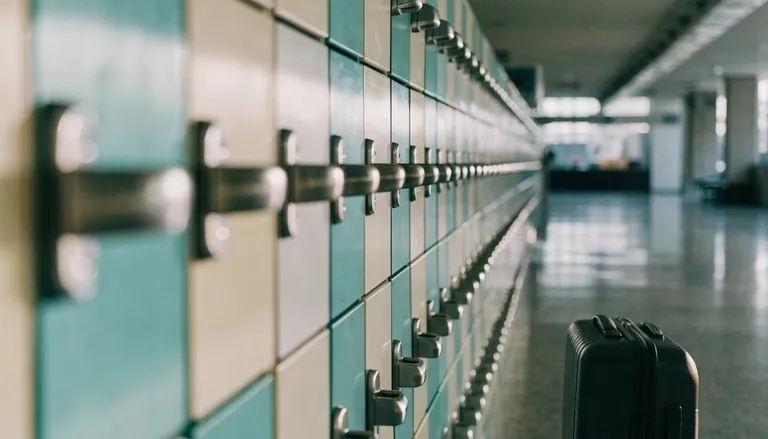
Where the lockers are at Tokyo, Shinjuku, Shibuya, Shinagawa, Ueno and Ikebukuro stations, what the three sizes actually fit, how overnight charging works, and what to do when every large locker is taken.
Read More
A calm, sequenced checklist for the first two days in Tokyo, from the airport counter to your first productive working morning.
Read More
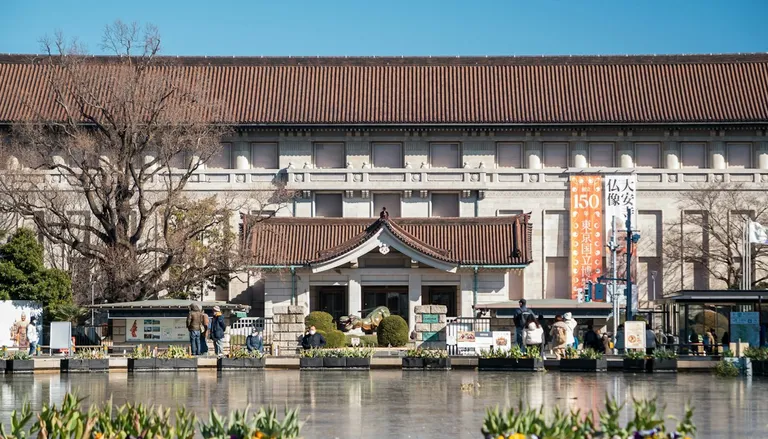
A remote worker's schedule is Tokyo's best-kept museum hack. Here is how to use quiet weekday hours to see the city's art and history properly.
Read More
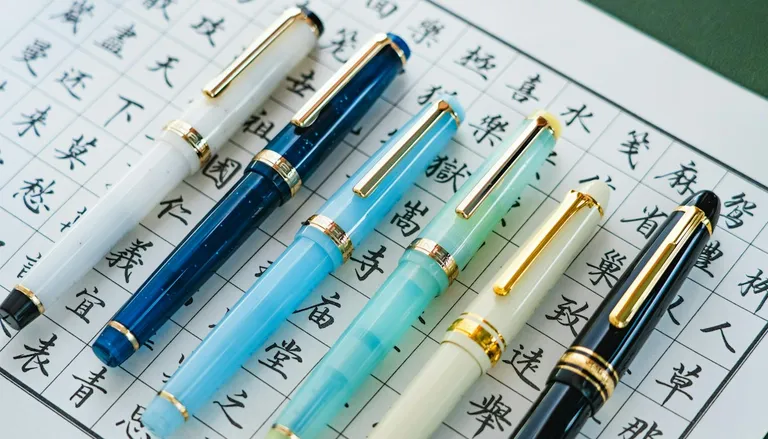
A guide to Tokyo's stationery culture for remote workers, from department-store floors to custom notebook makers, and how a paper layer can quietly improve a screen-heavy working day.
Read More
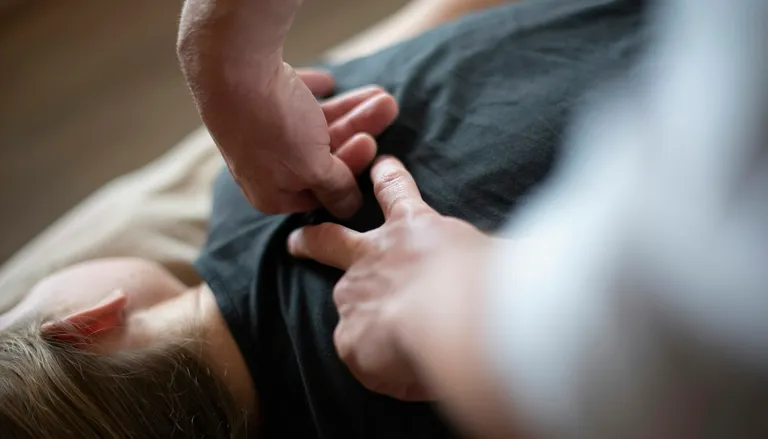
How to tell a relaxation massage from a seitai studio or an insured sekkotsuin, what to expect at each, and how to book one in Tokyo without much Japanese.
Read More
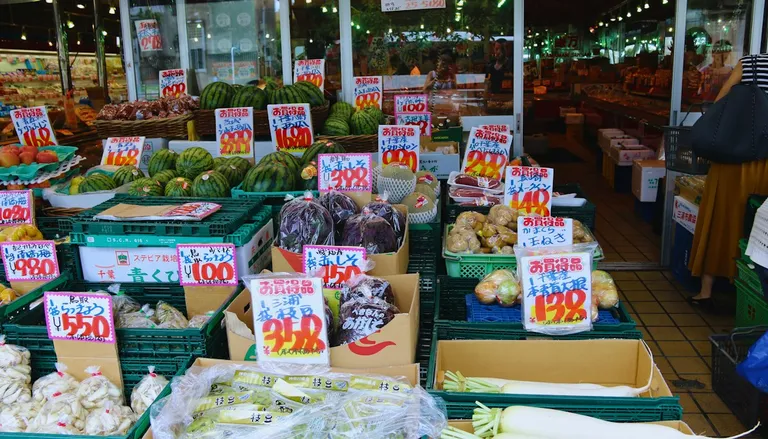
How Tokyo's supermarkets, discount stickers, and small kitchens quietly cut a remote worker's food budget without turning eating into a chore.
Read More
How to find a dentist in Tokyo, book an appointment with limited Japanese, and understand why Japanese dental care is split across several short visits.
Read More
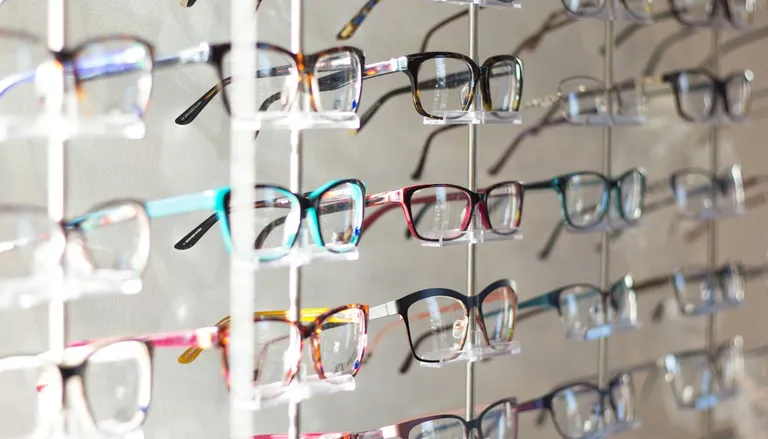
How eyewear shopping works in Tokyo, why a new pair of glasses can be ready the same afternoon, and why contact lenses follow a slower path through an eye clinic.
Read More
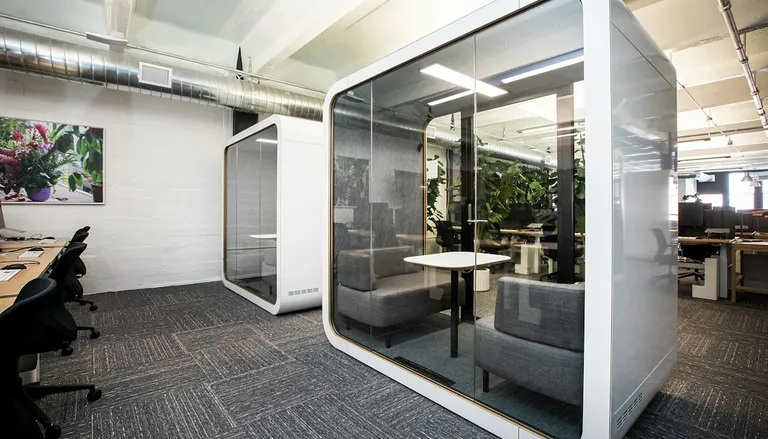
Tokyo cafés are great for focused work and terrible for meetings. Station work booths, karaoke rooms and net café cabins solve the video-call problem.
Read More
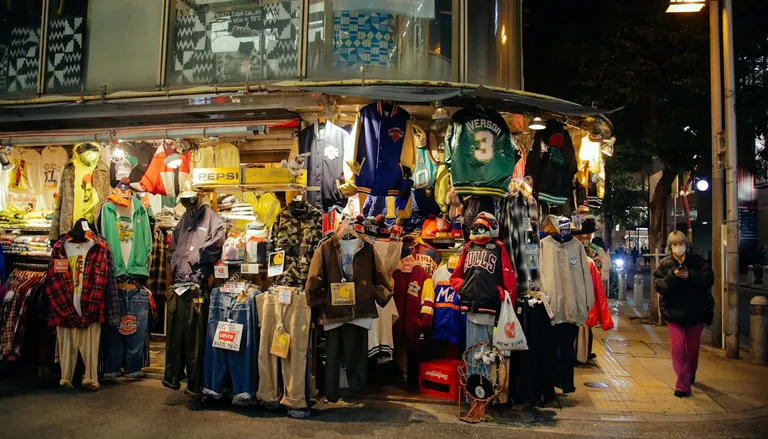
Recycle shops, Book-Off, Mercari and weekend flea markets make it possible to equip a Tokyo stay cheaply. Here is how to pass things on before the flight out, and why counter buyback may not work for short-stay visitors.
Read More
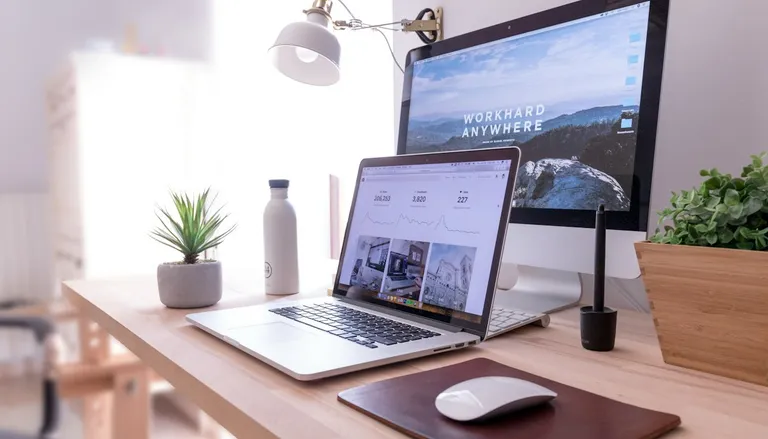
Turning a bare monthly apartment table into a workable desk takes one afternoon, three types of shop, and a deliberately short shopping list.
Read More
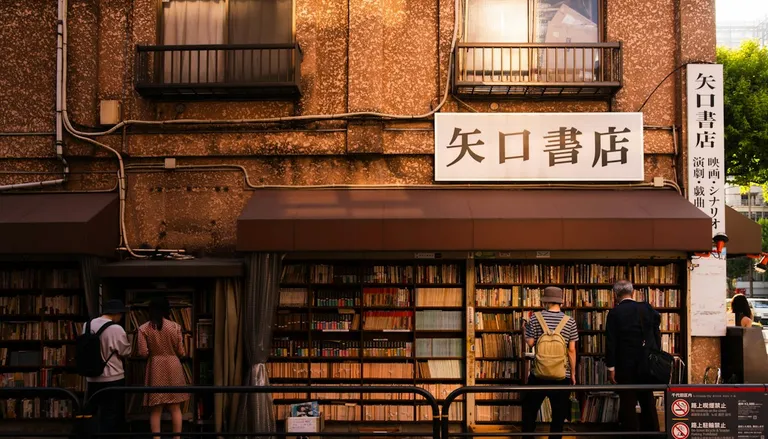
A few stops from the Imperial Palace sits the world's densest cluster of used bookstores, old kissaten, and curry counters. It makes a surprisingly good office.
Read More
From roughly August through October, a typhoon can quietly cancel a Tokyo working day. Here is how the warnings work, what closes, and how to keep a remote schedule intact.
Read More
A haircut is the small errand that quietly stresses out newcomers. Here is how Tokyo's salons and barbers work, what to expect, and how to book and communicate without Japanese.
Read More
Tokyo hotels quietly sell empty daytime rooms as work space, giving remote workers a door that locks, a real desk and a quiet call for noticeably less than an overnight rate.
Read More
A low-rise pocket of Tokyo that survived the century mostly intact. Here is how Yanaka works as a base for remote workers who want quiet, walkability, and a slower pace without leaving the city.
Read More
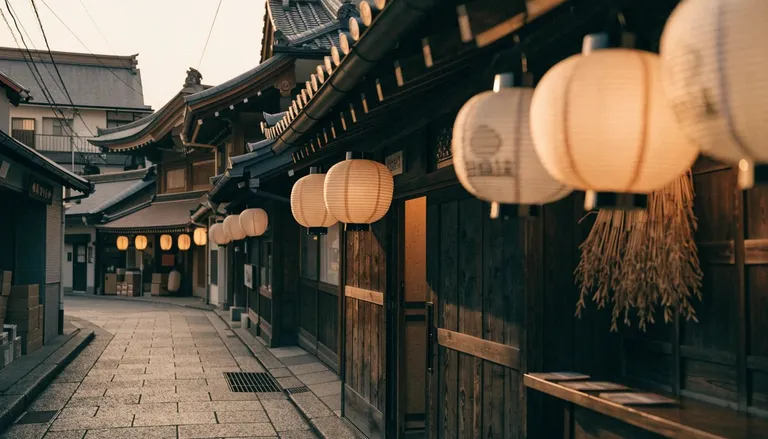
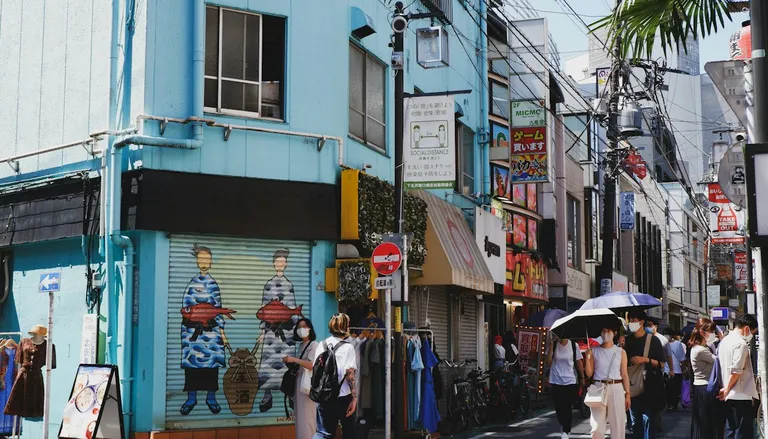
Four minutes from Shinjuku, noticeably lower rent, and a shopping arcade that never quite closes. Here is how Nakano works as a base for remote workers who want convenience without the price tag.
Read More
How vegetarian, vegan, halal, gluten-free, and allergy-aware remote workers can eat well in Tokyo, including the hidden ingredients to watch for and the phrases that actually help.
Read More
A sloped, lantern-lit pocket between Iidabashi and Ushigome that keeps its cobbled alleys and old teahouse manners. Here is how Kagurazaka works as a base for remote work.
Read More
A practical guide to getting around Tokyo by bicycle as a remote worker: share services, the rules that changed in 2026, registration, insurance, and the parking mistake that costs the most.
Read More
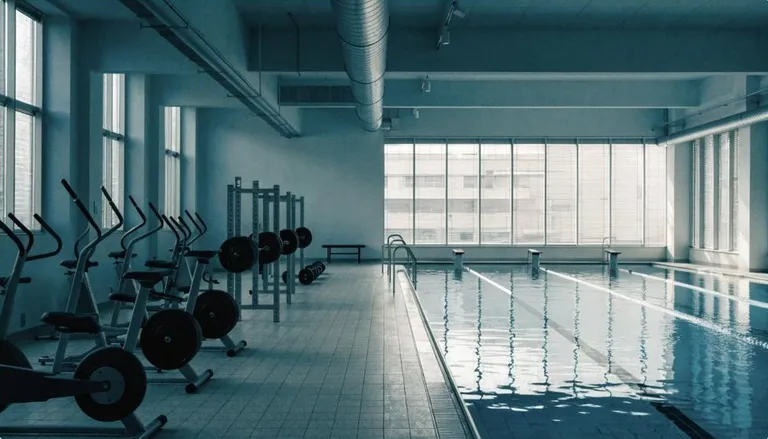
Most Tokyo gyms are built for residents who stay for years. Here is how short-stay remote workers can train anyway, from ward sports centres to drop-in passes and no-frills chains.
Read More
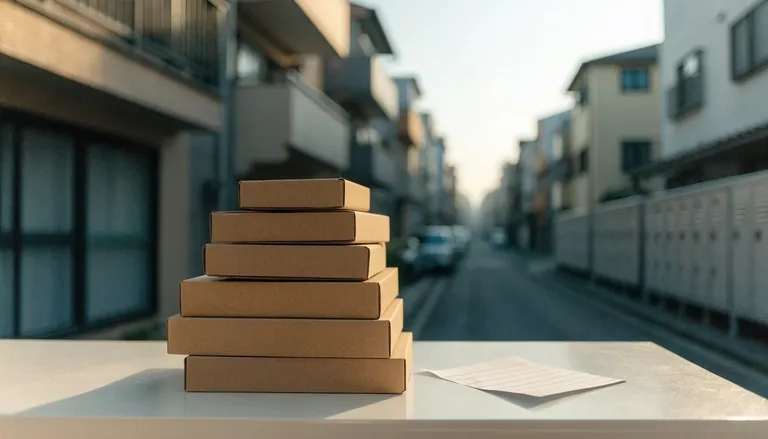
Tokyo's delivery network is one of the quiet luxuries of living here. Here is how takkyubin, konbini pickup, delivery lockers, and luggage forwarding work when you have no fixed address.
Read More
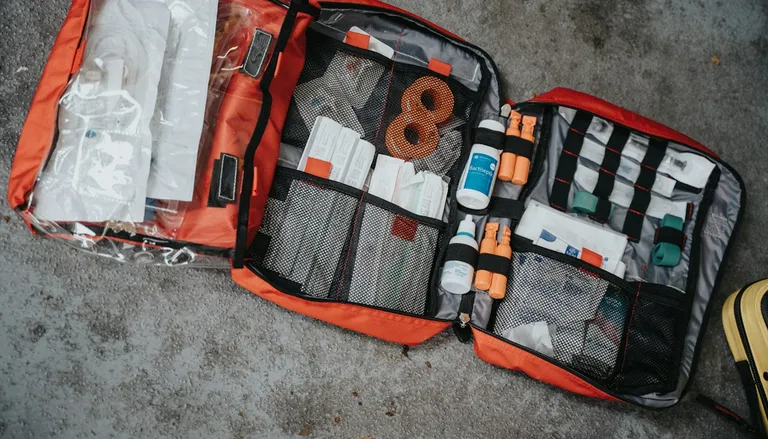
A calm, practical guide to living with earthquakes in Tokyo when you work remotely and travel light, from the first jolt to the apps, bags, and habits that make them a non-event.
Read More
A record-lined, vintage-heavy pocket on the Chuo line where rent stays kind and the nights stay interesting. Here is how Koenji works as a base for a nomad who wants energy without the price tag.
Read More
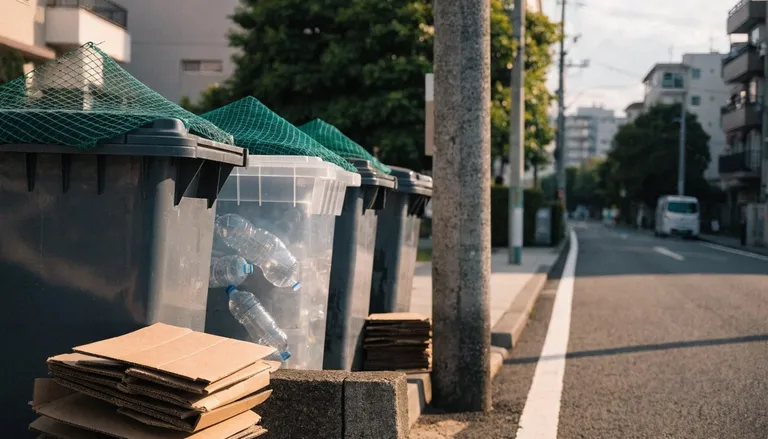
Tokyo garbage rules trip up almost everyone at first. How burnable, non-burnable and recyclable sorting works, collection days, and reading your building rules.
Read More
A low-rise maze of vintage shops, tiny theaters, and second-wave coffee just west of Shibuya. Here is how Shimokitazawa works as a base for a nomad who wants character over polish.
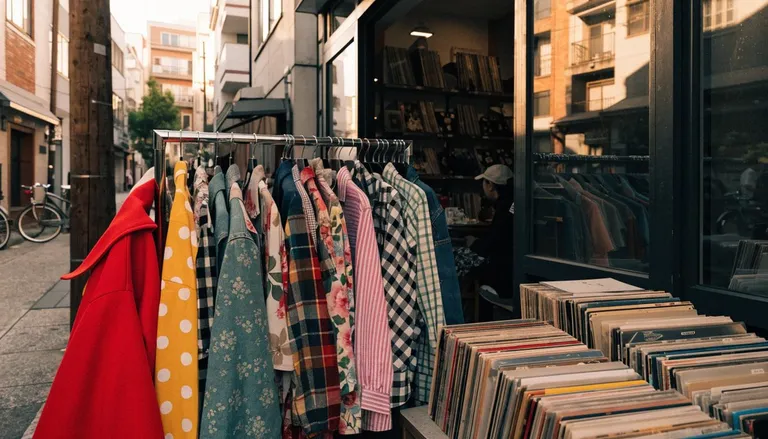
Read More
Tachinomi, the standing bars of Tokyo, are where a night out costs the price of a coffee and a stranger becomes a regular. Here is how they work and how to use them well.
Read More
A riverside pocket of eastern Tokyo that trades neon for slow mornings, small workshops, and good coffee. Here is how Kuramae works for a nomad who wants a calmer base.
Read More
Where to do laundry in Tokyo when your place has no dryer. How coin laundromats work, rough costs, a first-timer's step-by-step, and the etiquette.
Read More
Tokyo sits at a punishing angle to New York, London, and San Francisco. Here is how remote workers shape a day that keeps clients happy without surrendering every evening to the calendar.
Read More
Tokyo ward libraries give you a quiet desk, air conditioning and Wi-Fi with nothing to buy. How to find the ones that work for laptop work, and the rules to know.
Read More
Tokyo in July and August rearranges a remote worker's schedule whether you plan for it or not. Here is how to shift your hours, pick your rooms, and stay functional through the heat.
Read More
How Tokyo's capsule hotels and 24-hour net cafés work, what shapes the price, and when each one is the right answer for a missed train, a gap between leases, or a cheap night in the middle of the city.
Read More
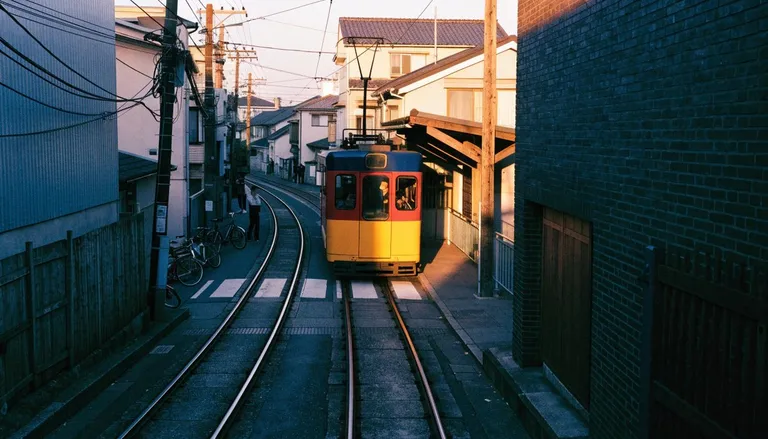
How Tokyo's convenience stores quietly become a remote worker's kitchen, bank, post office, and midnight lifeline, and how to use each one well.
Read More
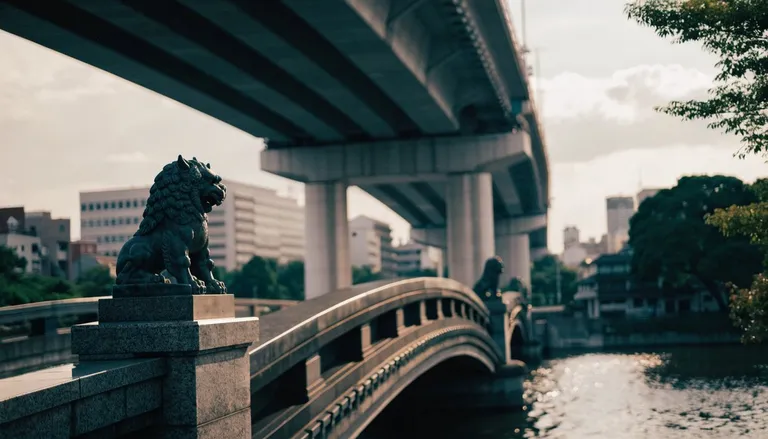
A guide to Tokyo's old-school kissaten and jazz-kissa listening cafés, and how remote workers can use them to slow down instead of grind out one more task.
Read More
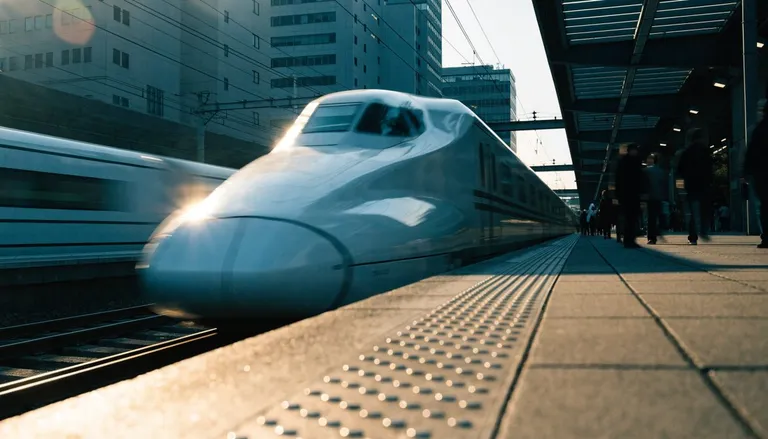
Tokyo runs on taps and scans more than cash, but not everywhere. Setting up a mobile Suica, which QR apps matter, and when you still need yen.
Read More
A realistic guide to picking up Japanese while working remotely from Tokyo, from survival phrases to the study routines that actually fit around a laptop life.
Read More
A practical map of how to eat in Tokyo when you work from a laptop: convenience stores, set-meal shops, standing eateries, supermarkets, and izakaya, with rough costs and quiet etiquette.
Read More

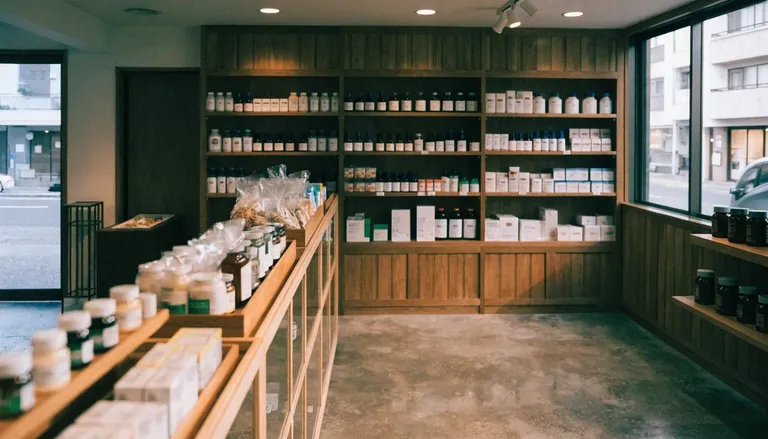
How to see a doctor, fill a prescription, and stock a medicine cabinet in Tokyo when you are working remotely and do not yet speak much Japanese.
Read More
I don't do this alone, but I do it lean. AI is what lets a small operation move fast enough that I can run it from a laptop, across time zones, out of a suitcase.
Read More
The nomad life makes it easy to let your body slide. For me, a training routine became the one fixed point that keeps everything else, including the work, standing up.
Read More
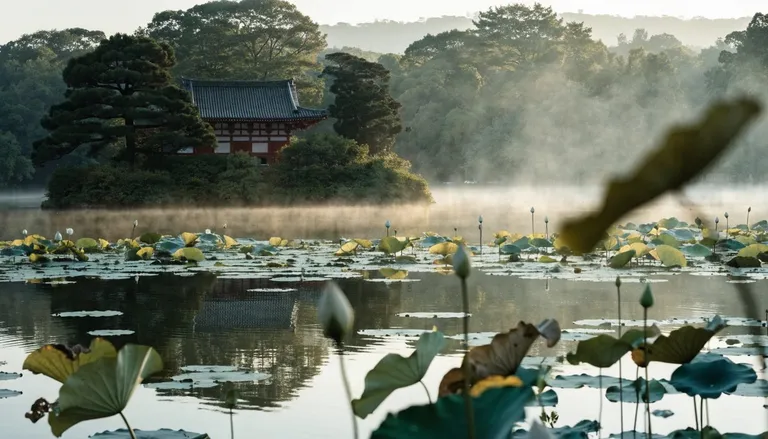
How the old neighborhood bathhouse and the modern sauna became the best reset button in Tokyo, and how to use both without missing a beat of the etiquette.
Read More
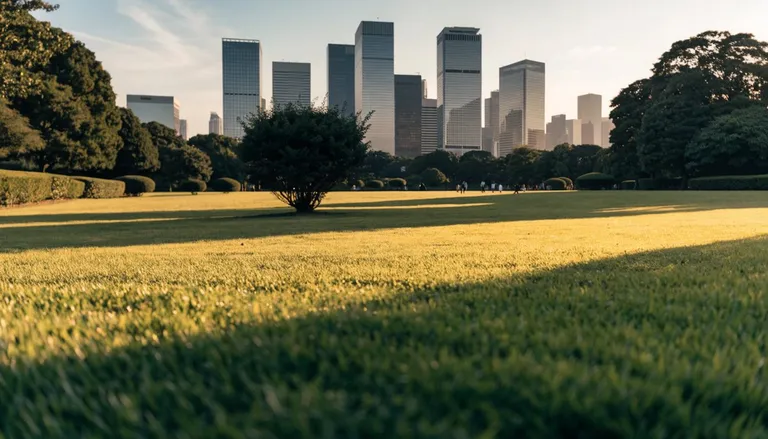
I run my business from just 35 kg of luggage across Japan, Taiwan, and beyond. Here's how living light became less about packing and more about choosing.
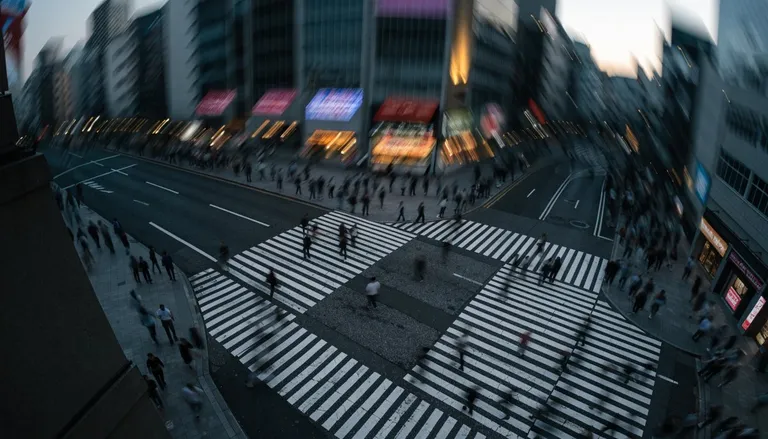
Read More
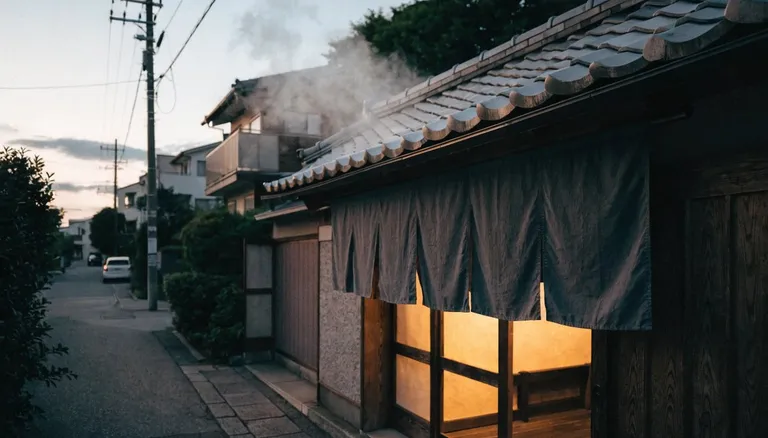
I'm Japanese, and I left. Moving between Taiwan and the wider world changed how I see Tokyo, from a default I grew up inside to a base I'd actually choose.
Read More
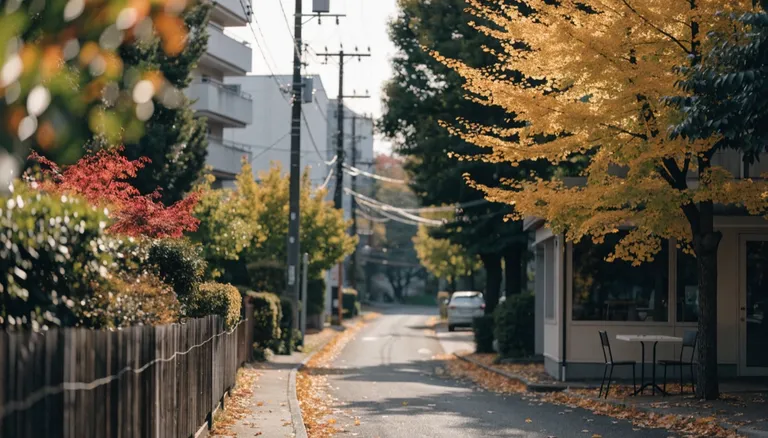
The headline districts are built for people passing through. For a digital nomad, the neighborhood worth living in is usually one stop down the local line.
Read More
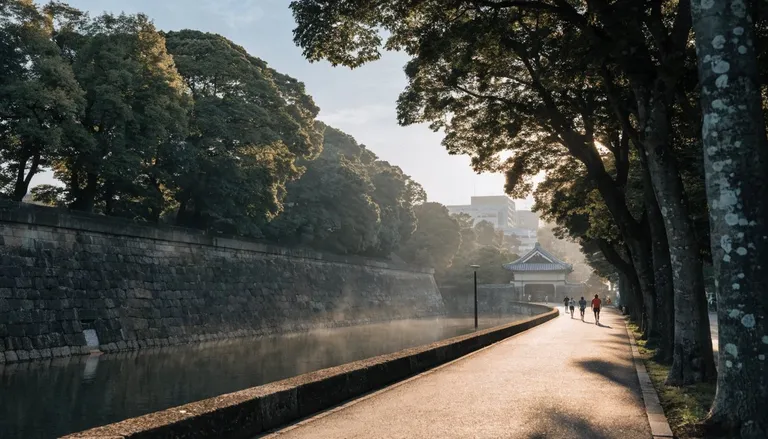
A slow loop around an old moat can teach you how Tokyo really works, faster than any guide, plus the parks and riversides where nomads log the miles.
Read More
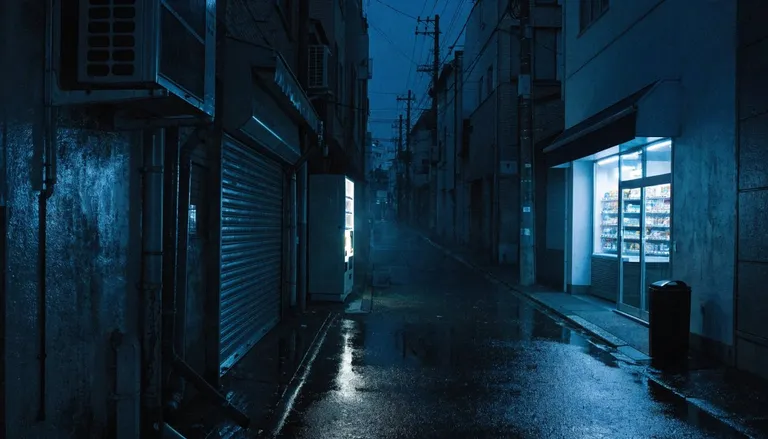
Tokyo runs a second, quieter city after midnight. For remote workers on far-off time zones, it can be the best office of all.
Read More
The nomad instinct is to keep moving. The smarter move is often to stop, and let one stable city become a launchpad for the rest of Asia.
Read More
In one of the loudest cities on earth, finding quiet is a skill, and it can change how a remote worker thinks about focus.
Read More
How much does it cost to live in Tokyo as a digital nomad? A 2026 monthly budget breakdown for accommodation, food, transport, coworking, and more.
Read More
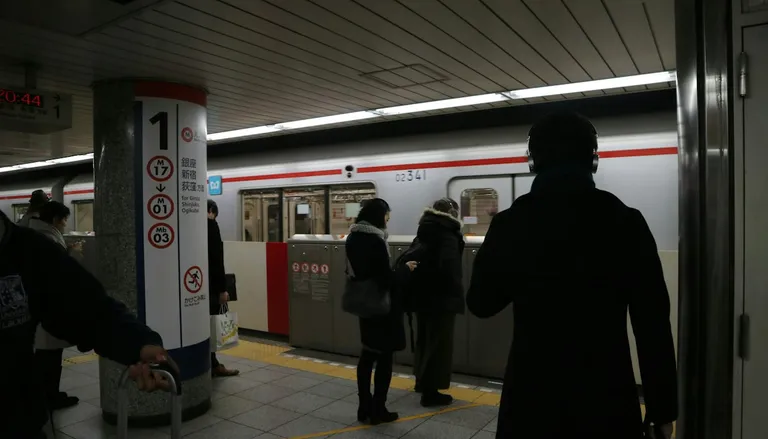
How to get around Tokyo: IC cards like Suica, the subway and JR lines, buses, taxis, and the apps that make Tokyo's rail network easy to navigate.
Read More
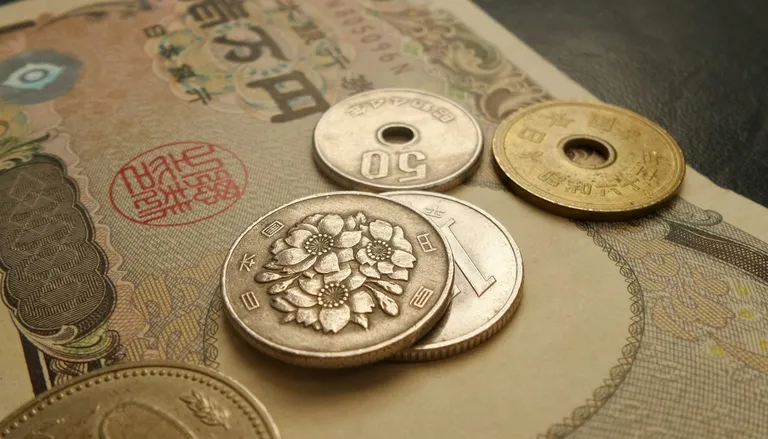
How to manage money in Japan as a digital nomad: cash vs cashless, which ATMs accept foreign cards, and whether you need a Japanese bank account.
Read More
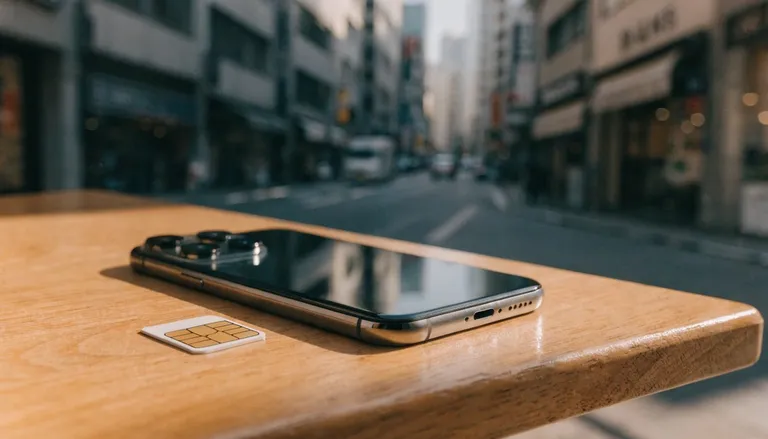
How digital nomads get online in Japan, comparing eSIMs, prepaid SIM cards, and pocket Wi-Fi, plus Japan's SIM ID rules, which extend to data-only plans from April 2027.
Read More
Japan's digital nomad visa explained: who qualifies, the income and insurance requirements, how long you can stay, and how it compares to tourist entry.
Read More
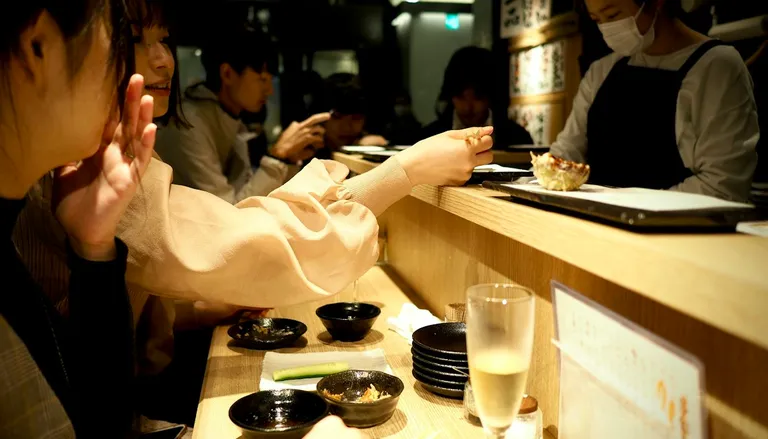
What to see and do in Tokyo through the seasons, from spring cherry blossoms and summer festivals to autumn foliage and New Year traditions.
Read More
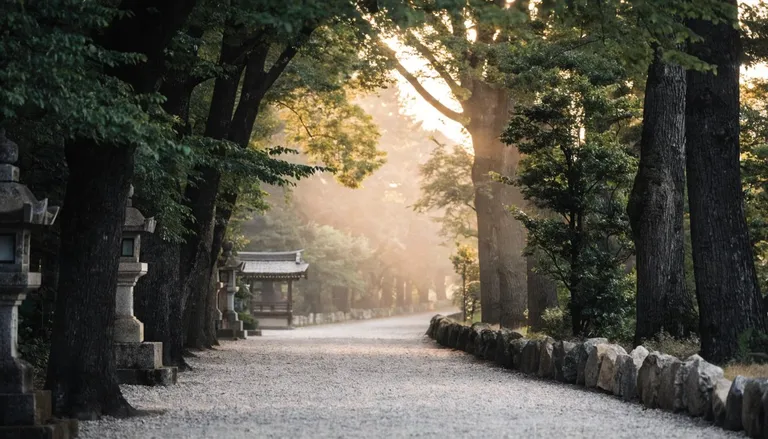
Authentic ways for digital nomads to experience Japanese culture in Tokyo, from temples and tea ceremony to seasonal traditions and everyday rituals.
Read More
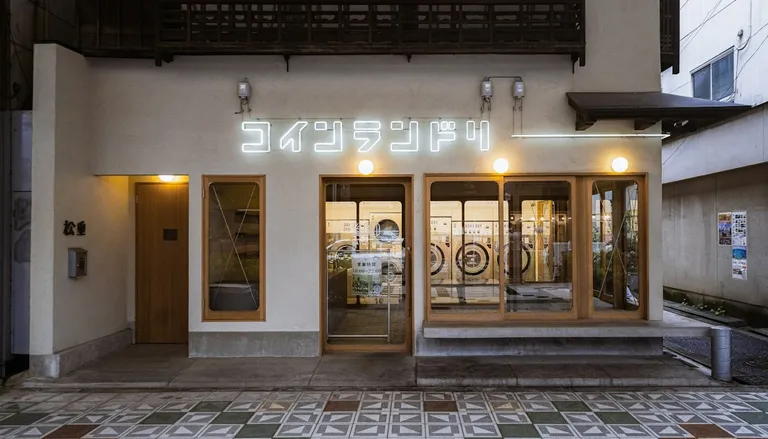
Five weekend trips from Tokyo by train, Hakone, Kamakura, Nikko, Kawaguchiko and Enoshima, with the route, travel time and a work-friendly way to plan each.
Read More
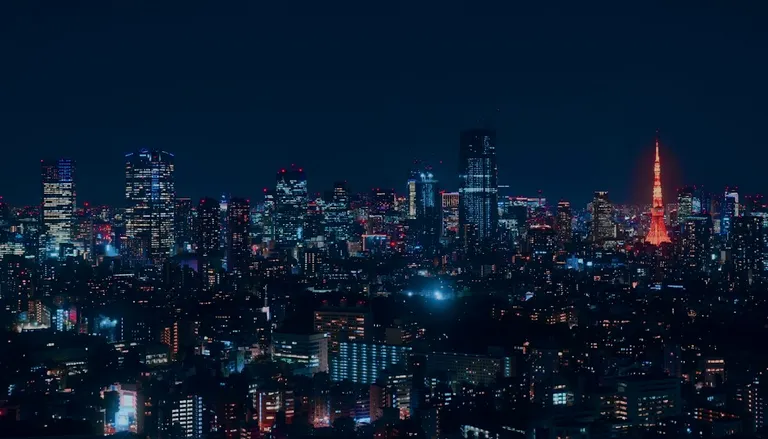
How digital nomads find clients, freelance projects, and collaborators while based in Tokyo, plus an important note on what your visa status allows.
Read More
Recurring meetups where digital nomads connect in Tokyo: Digital Nomads Tokyo at S-TOKYO, Venture Café's Thursday Gathering, a weekly language exchange, and where to find more.
Read More
Practical ways to meet people and build a real network in Tokyo, from nomad meetups and coworking communities to language exchanges and showing up consistently.
Read More
How to choose a coworking space in Tokyo, comparing global chains, community hubs, and drop-in vs membership, with what to check before you commit.
Read More
Mid-term accommodation in Tokyo for digital nomads compared: monthly apartments, share houses, serviced apartments, and short-term rentals, with how to choose.
Read More
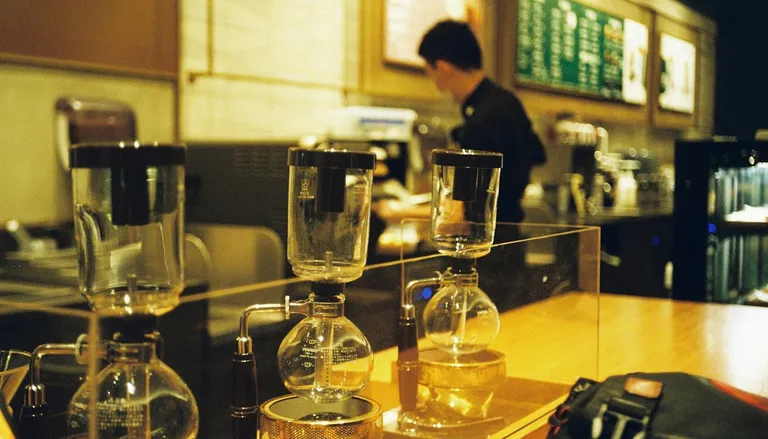
Which Tokyo cafés are best for laptop work? Wi-Fi, power outlets, long-stay etiquette, the chains nomads rely on, and where to hold a quiet business meeting.
Read More
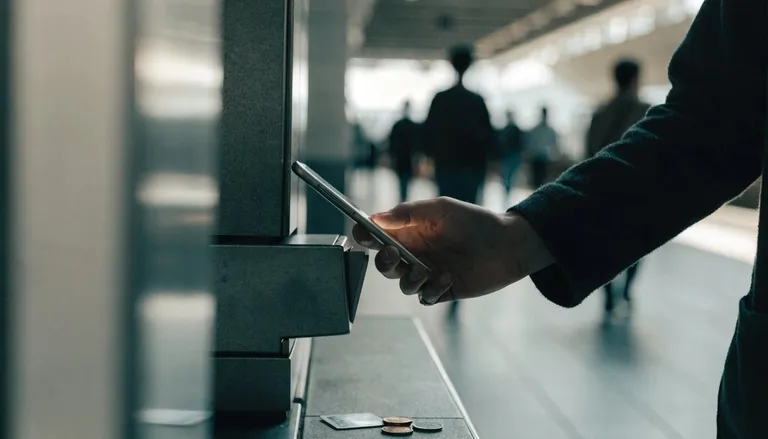
A comparison of seven Tokyo neighborhoods for remote workers, covering the vibe, living costs, and best workspaces in each, so you can pick the right base.
Read More
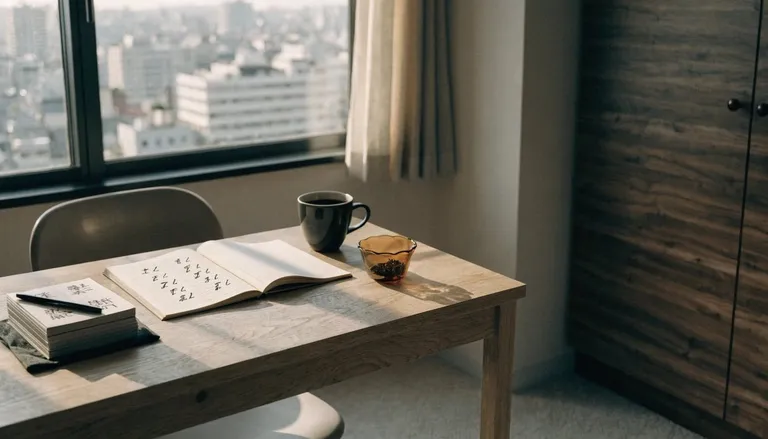
Practical life hacks for digital nomads in Tokyo, covering transport, food, housing, work, language, health, money, and emergencies, to settle in fast.
Read More