What Is a Depachika? Tokyo's Department Store Food Halls, Explained
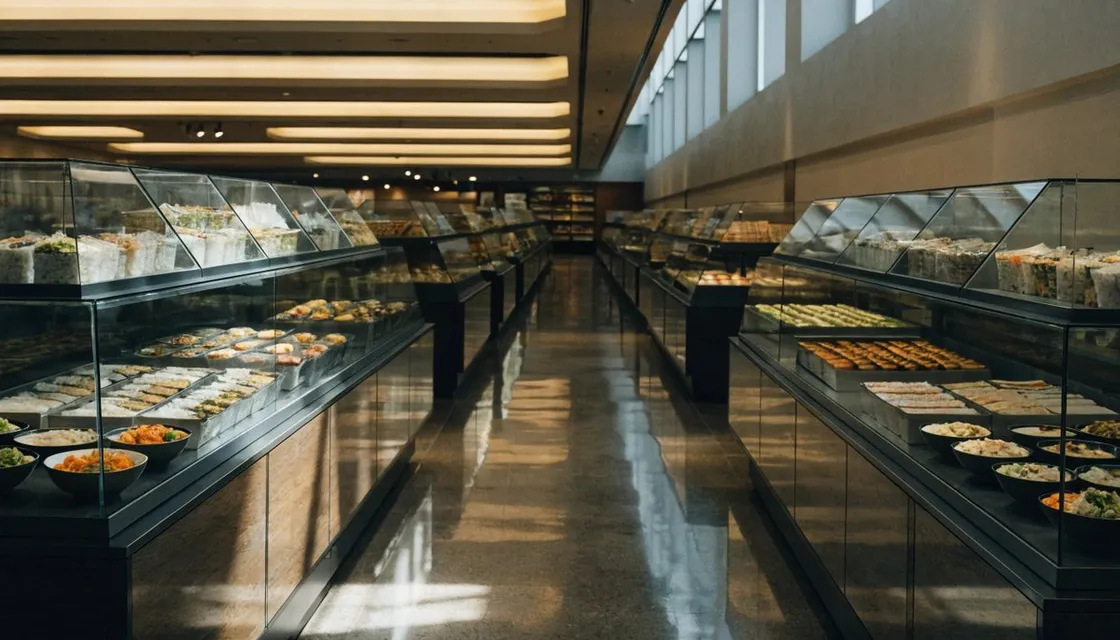
If you are staying somewhere with a tiny kitchen, or no kitchen at all, the department store basement is probably the most useful food option you are not using yet.
The Japanese word is depachika: depa from department store, chika meaning basement. Almost every large department store in Tokyo has one, usually spread across one or two underground floors directly connected to a major station.
It looks expensive. Glass cases, staff in white gloves, boxes tied with ribbon. And in the middle of the afternoon it genuinely is.
But the pricing changes over the course of the evening, and once you understand that rhythm, a depachika becomes a very reasonable way to eat properly on a night when you have been at your laptop since morning.
What is actually down there
A depachika is not one shop. It is dozens of small counters, each run by a different specialist, packed into a single floor.
You will typically find prepared side dishes, called sozai: simmered vegetables, potato salad, fried chicken, croquettes, grilled fish, seasoned greens. Sold by weight or by the piece, which means you can buy exactly enough for one person.
Then bento boxes, sushi, roast beef counters, tempura, dumplings, and usually a few foreign counters doing curry, dim sum, or Italian delicatessen food.
Separately there is the sweets half: cakes, wagashi, chocolate, and often a bakery. And a basement supermarket section with fruit, cheese, and better bread than most neighborhood shops carry.
A depachika is closer to a food court run by seventy small restaurants than to a supermarket.
The timing thing
Here is the part that matters for your budget.
Prepared food cannot be sold the next day, so from roughly an hour or so before closing, staff begin putting discount stickers on the remaining items. Percentages vary by store and by counter, and they tend to deepen as closing approaches.
Most Tokyo department stores close in the evening, often around 8pm, though this differs by store and by day, so check the sign at the entrance rather than trusting a number.
If you arrive in that final window, the same box that was full price at 3pm can be noticeably cheaper. The selection is thinner, but it is not scraps. It is the same food.
This is a normal, unembarrassing thing to do. You will be standing next to office workers and local residents doing exactly the same calculation.
How to order without Japanese
Most counters work by pointing.
Say the number you want and gesture at the item. Staff will usually confirm with fingers, which is easy to follow.
Sozai counters sell by weight, so you can say a small amount and they will scoop and weigh it. If you want less, a small hand gesture works fine.
Two questions you will be asked at the register, both with easy answers:
Chopsticks or a spoon? They will hold up a pair. Nod or wave it off.
A bag? Plastic bags usually cost a few yen, so bringing your own is both cheaper and less hassle.
If something needs heating, some counters will offer. Otherwise most of it is designed to be eaten at room temperature, which suits a hotel room or a share house without much equipment.
Where this fits in a nomad week
The honest use case is not “eat here every day”. At full price that gets expensive quickly.
It works best in three situations.
When you have had a long working day and cooking is not going to happen, but another convenience store meal feels grim.
When you want vegetables. Konbini food is convenient but the vegetable situation is thin, and a sozai counter fixes that in one purchase.
When you need a gift. If someone has helped you, invited you to dinner, or let you use their office, the sweets floor of a department store is the socially correct answer, beautifully wrapped, at almost any budget.
Practical notes
Depachika are usually directly connected to the station, so you can go down from the platform without going outside. Useful in rain or in summer heat.
Weekend evenings are crowded. Weekday afternoons are calm and much better for browsing if it is your first visit.
Seating is limited. Some stores have a small eat-in corner, but the assumption is that you take the food away.
Photography at counters is often discouraged, so look rather than shoot.
And if you are near a station with more than one department store, they are not identical. It is worth walking through both once and deciding which one you actually like.
FAQ
Is depachika food more expensive than a restaurant?
Per item it can look that way, but you are buying exactly the portion you want, with no drinks and no service charge. In the discount window it often lands below a casual restaurant meal.
Can I find vegetarian or halal options?
Some, though ingredient labelling is usually in Japanese and dashi made from fish is common in Japanese-style dishes. A translation app pointed at the label helps, and Western delicatessen counters are often easier to read.
Do I need cash?
Most counters take cards and IC transit cards, and larger stores accept QR payments. Carrying a little cash is still sensible for small independent counters.