Leaving Tokyo: The Exit Checklist Nobody Hands You
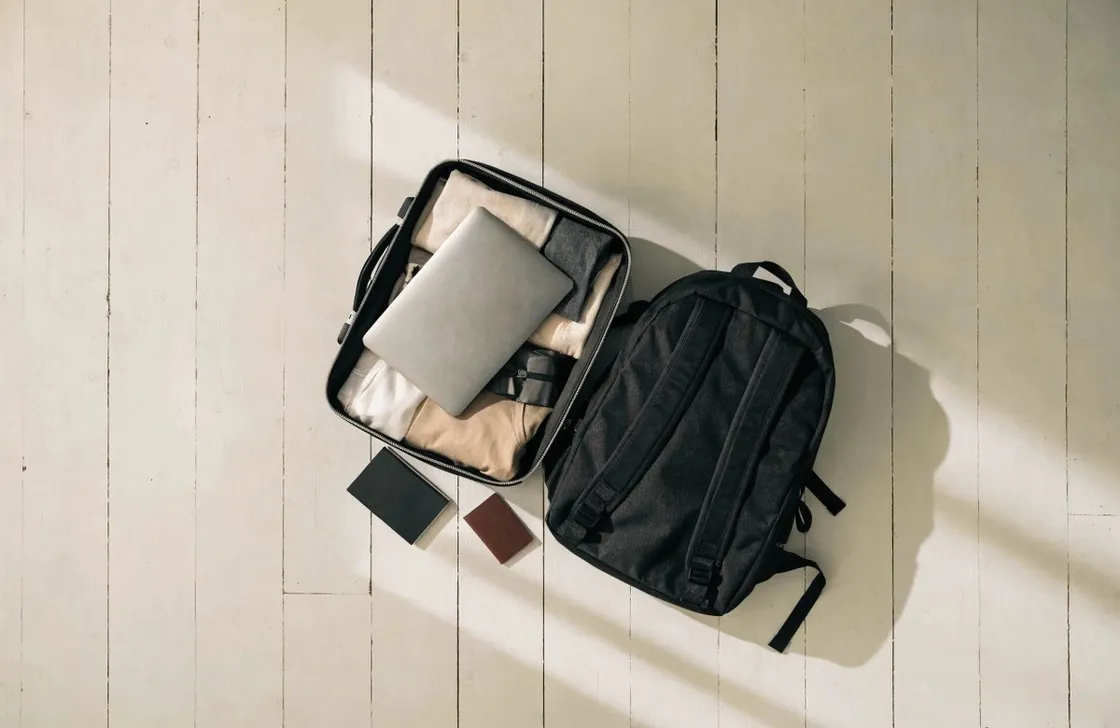
Start the exit two weeks before your flight, not two days.
Almost everything that goes wrong on the way out of Tokyo goes wrong because of a lead time, not because of a rule. Bulky trash needs a booking. Utilities need notice. A ward office is closed on the weekend you finally have free.
None of it is hard. It is just sequenced, and the sequence is invisible until you are inside it.
First, work out which version of “leaving” you are doing
The list splits cleanly in two, and half of Tokyo’s departure advice is useless because it ignores the split.
If you stayed on a short-term visa waiver stamp and lived in hotels, monthly apartments or share houses, you have almost nothing to do. Settle your rent, cancel anything on autopay, and go.
If you registered at a ward office, you are a resident, and the exit has an administrative half. Residency in Japan is a registration, not a feeling. You close it the same way you opened it.
The fastest way to tell: did you get a residence card, and did you take it to a city or ward office within fourteen days of arriving? If yes, keep reading closely.
Arriving in Japan is a series of things you sign up for. Leaving is the same list, run backwards.
Two weeks out: the things with waiting times
Bulky trash. Anything larger than a standard bag, so a mattress, a desk chair, a suitcase you no longer want, generally needs a collection booked in advance with your ward, plus a sticker bought at a convenience store. Slots can be a week or more out, especially in spring and autumn when everyone moves. Book before you pack, not after.
Utilities. Electricity, gas and water usually want a few days’ notice to stop the account on a specific date. Gas in particular may require someone present for the shutoff, depending on the setup.
Internet. If you signed a contract with hardware, there is often a router to send back. That box takes time to arrive.
Anything on annual billing. Gym memberships, coworking plans and phone contracts have their own notice periods, and they are rarely the same as each other.
One week out: the ward office run
If you are a registered resident, one visit usually covers most of it, so go once and go prepared.
The moving-out notification, tenshutsu todoke, tells the ward you are leaving the country. National health insurance is cancelled at the same counter or a neighbouring one, and you hand back the card.
Resident tax is the piece that surprises people. It is billed in arrears, based on the previous year’s income, so it can still be owed after you have gone. If a balance will remain, the ward may ask you to pay it up front or to appoint a tax representative in Japan, a nozei kanrinin, to handle the bills after you leave.
Pension is the other one worth asking about. People who contributed to the Japanese pension system for a qualifying period and are leaving without claiming a pension may be able to apply for a lump-sum withdrawal payment after departure, within a limited window. The rules and the calculation have changed in recent years, so treat this as a question to ask at the counter rather than something to assume.
Bring your residence card, your health insurance card, your My Number card or notification if you have one, and a bank book. Go on a weekday morning. Counters get slow after lunch.
The last few days: money, keys, and the small stuff
Close the bank account in person if you can, and do it after your final rent and utility payments have actually cleared, not when they are merely scheduled.
Keep enough cash for the airport. Japan is far more cashless than it was, but a closed account on a Sunday is a bad surprise.
Cancel the phone line last, or at least after everything that sends you an SMS code. A Japanese number is often the key to your own accounts.
Suica and Pasmo can typically be refunded at a station window, usually with a handling fee deducted and the deposit returned, though the exact treatment depends on the card type. If you are likely to return within a few years, it may simply be easier to keep it.
Sell or donate rather than dump. Secondhand shops will take clothes and small electronics, and neighbourhood give-away groups move furniture faster than any pickup slot.
At the airport
If you are leaving permanently, the residence card is handed in at immigration on departure.
If you are coming back within a year and your status is still valid, the special re-entry option lets you keep it, but it has to be declared with the right box ticked on the departure card before you go through. Ticking nothing is how people accidentally end their own residency.
Give yourself an extra hour. Tax-free purchase checks, a last luggage forwarding drop, or a queue at the counter will use it.
What to do the week before you actually want to
Walk your neighbourhood once with no errand attached.
The practical list above will get done because it has deadlines. The other thing, the last coffee at the place that knows your order, the station you have used four hundred times, only happens if you schedule it.
Most people leave Tokyo intending to come back. It is still worth saying goodbye properly to the version of the city you had.
FAQ
How early should I start? Two weeks is comfortable for a registered resident. If you are on a short stay with no contracts, two or three days is genuinely enough.
Do I need to visit the ward office if I only stayed three months on a tourist stamp? No. If you never registered, there is nothing to close.
Can I keep my Japanese bank account after leaving? Policies vary by bank and many are strict about non-resident accounts. Ask your branch directly rather than assuming, and expect the answer to depend on your remaining status.