Rent It, Don't Buy It: Tokyo's Quiet Rental Economy for Short Stays
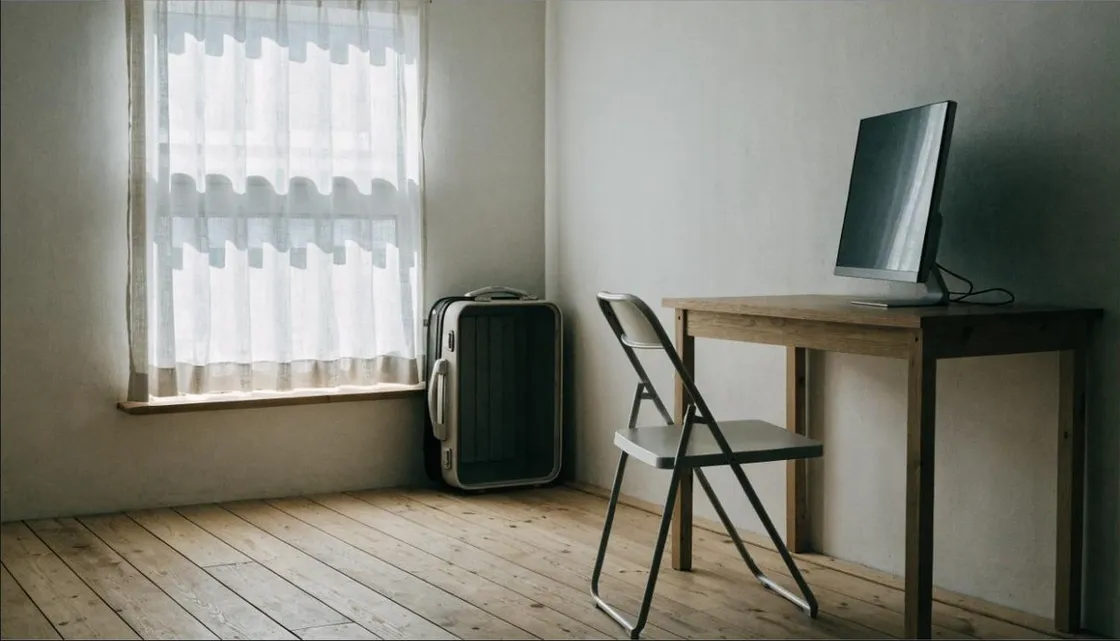
If your stay in Tokyo is measured in weeks rather than years, the default answer to “I need a thing” should not be a trip to the electronics store. It should be a search for who will lend it to you.
Tokyo has an unusually deep rental economy. Not just cars and bicycles, but monitors, desks, suits, cameras, suitcases, camping gear, projectors, formal shoes, even furniture by the month.
The reason is structural. Apartments are small, people move often, and storing a thing you use twice a year is expensive in a city where floor space is the scarcest resource. That logic happens to describe your situation exactly.
In a city where storage costs more than the object, renting stops being a compromise and starts being the sensible default.
The mental switch that saves the most money
The useful question is not “how much does this cost” but “how much does this cost per week of actual use, including the cost of getting rid of it later”.
A cheap monitor might be a few tens of thousands of yen. It is also a large flat object you cannot post home, cannot easily resell in a hurry, and cannot legally leave on the street when you fly out. Tokyo’s disposal rules for large items involve a paid sticker and a scheduled pickup, which is a small but real tax on ownership.
Rent the same monitor for two months and the number is usually smaller, the removal is somebody else’s problem, and your departure gets simpler.
The break-even point moves around by category, but as a rough instinct: under three months, renting tends to win for anything bulky or seasonal.
Furniture and appliances by the month
Several Japanese companies rent household goods on monthly subscription terms: desks, chairs, shelving, refrigerators, washing machines, microwaves, and sometimes a bundled starter set aimed at people arriving for a short posting.
Delivery and collection are typically included or offered as an add-on, which is the part that actually matters. Getting a desk into a Tokyo apartment building without a car is harder than buying one.
Two practical cautions.
Most of these services want a Japanese address, a phone number, and a payment method that clears domestic checks, so they work better once you are settled than on day one.
And minimum terms exist. A one-month minimum is common, and some services quietly price the first month higher to cover logistics.
The work setup
For a desk and chair, the honest comparison is often not rental versus purchase but rental versus simply not having one.
A coworking membership, a library, or a rotation of cafés covers a lot of ground, and many nomads find they only need a real desk at home if they take calls at unsociable hours. If that describes you, a rented desk and chair for the length of the stay is a clean solution.
Monitors are the item most worth renting. Business equipment rental firms in Tokyo will send a monitor for a fixed term, and the same firms often list laptops, printers, and projectors.
Everything smaller than a monitor is usually cheaper to buy secondhand and resell. Keyboards, mice, cables, laptop stands and lamps all move quickly on Japan’s secondhand market, so you can often recover most of what you paid.
Clothes for the occasion you did not plan for
This is the category most short-stay visitors overlook.
If a client meeting, a wedding, or a funeral appears in your calendar, Tokyo will rent you the entire outfit. Suits, formal dresses, kimono, and the accompanying shoes and bags are all available on short rental terms, often with next-day delivery and a prepaid return bag.
The formalwear rental market exists because Japanese social occasions have strict dress expectations and most people would rather not own a black formal suit they wear twice a decade.
For a nomad packing light, that market is a gift. You do not need to carry a suit through six countries on the chance that one meeting turns formal.
Winter coats are the other one. Renting or buying secondhand in November and passing the coat on in March is far more sensible than lugging one through a tropical leg of your route.
Getting around
Bicycle share is the most frictionless rental in the city. Docked systems cover large parts of central Tokyo, register in-app, and charge by the ride or by a day pass.
For a longer stay, monthly bicycle rental shops exist in most residential wards and often work out cheaper than a cheap new bike once you account for the mandatory registration and eventual disposal.
Car rental and car sharing are worth knowing about even if you never drive in the city itself. Tokyo driving is not fun, but a car-share reservation for a Saturday makes certain day trips dramatically easier. You need an accepted licence or an International Driving Permit, and membership registration usually takes a few days, so set it up before you need it.
Luggage, cameras, and the one-off things
Suitcase rental is common and useful in a specific case: you arrived light, you are leaving heavy, and you do not want to buy a case for a single flight.
Camera and lens rental is well established, aimed at hobbyists and professionals, and usually cheaper than you expect for a weekend.
Camping and outdoor gear rental has grown alongside Japan’s camping boom, so a hiking or camping weekend outside the city does not require owning a tent.
And umbrellas can effectively be rented for free. Several convenience store chains and rail operators have run shared umbrella schemes, and in their absence the five-hundred-yen konbini umbrella functions as a rental you happen to keep.
What to just buy
Renting is not always right.
Anything cheap, small, and light is better bought. Anything you will use daily for the whole stay and can resell is better bought secondhand.
And anything where the deposit, the identity checks, and the delivery window cost you more in hassle than the item costs in yen is better bought.
The rental economy is a tool for the awkward middle: bulky, occasional, or expensive things you need for a defined period. Used there, it is one of the clearest advantages of basing yourself in a city that has thought carefully about not owning things.
FAQ
Do I need a Japanese address and phone number to rent?
For most household, furniture, and equipment rentals, yes. Bicycle share and some camera rental services are friendlier to visitors, but anything delivered to a door will want a domestic address and a contactable number.
Is a deposit normal?
It varies. Many subscription furniture services take no deposit and simply bill monthly, while camera, car, and high-value equipment rentals often place a hold on a credit card. Read the damage and late-return terms, which are usually stricter than the headline price suggests.
What happens if I leave Japan early?
Check the cancellation terms before you sign anything with a minimum period. Some services prorate, many do not, and collection needs to be scheduled while you are still there to hand the item over.