Massage and Seitai in Tokyo: Fixing a Laptop Body
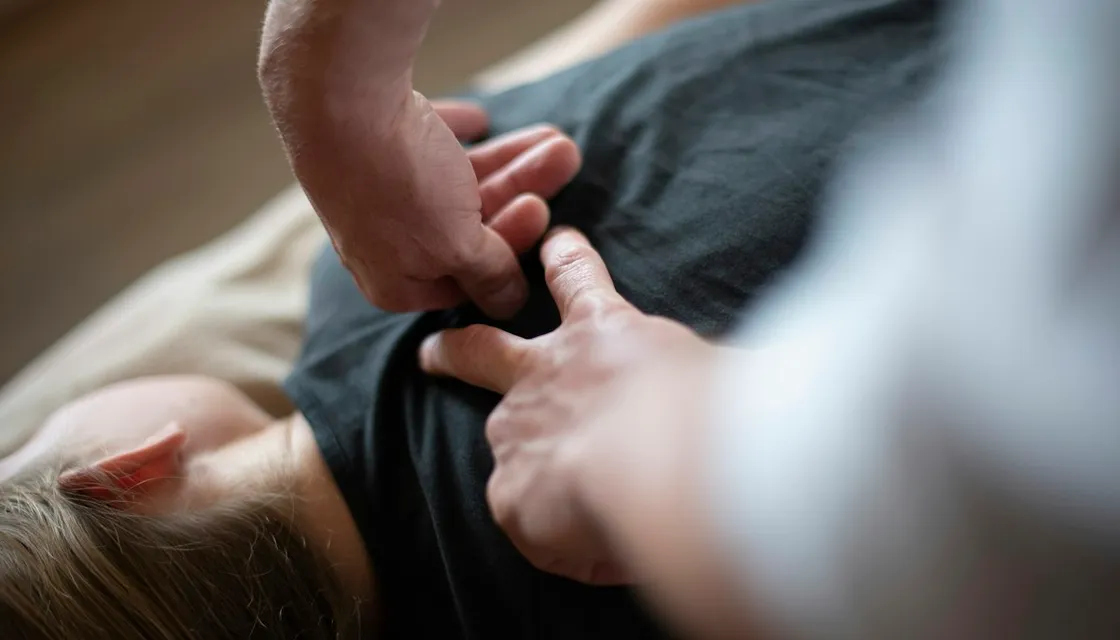
If your neck has started making decisions for you, Tokyo has a lot of places that can help. Before you book, though, know that “massage” here covers three different kinds of places, each regulated, priced, and staffed in its own way.
Pick the wrong one and you’ll still have a pleasant hour. Pick the right one and you might actually fix whatever’s been bugging you since your third month of working from a low table.
At a glance
| Type | Good for | Licence and insurance |
|---|---|---|
| Relaxation massage (リラクゼーション) | Getting the tension gone, no consultation | No national licence, you pay yourself |
| Seitai (整体) | The same shoulder or lower back flaring up again | No national licence, you pay yourself. Skill varies a lot |
| Sekkotsuin (整骨院・接骨院) | A sudden twist, fall or sharp pull | Nationally licensed. Insurance may cover acute conditions with a clear cause |
Book through HOT PEPPER Beauty, EPARK or Rakuten Beauty, or walk in to a chain. Skip the tip.
Three kinds of places, and how to tell them apart
The first is relaxation massage (リラクゼーション). These are the chains you see above station exits and inside shopping buildings, often with a per-minute rate on the sign.
Staff are trained in-house and don’t hold a national licence. They’re there to make you feel better. Diagnosis isn’t part of it.
The second is seitai (整体) and its cousins: chiropractic-style studios, usually small and owner-run, that work on posture and alignment. Neither seitai nor chiropractic is a national licence in Japan, so anyone can open a studio, and practitioners vary a lot. Word of mouth counts for more here than anywhere else.
Japan’s Consumer Affairs Agency has warned about injuries from these unlicensed hands-on treatments, and many of the reports involve seitai. So if someone goes for a forceful neck crack, you can say no.
The third is a sekkotsuin or judo therapy clinic (整骨院・接骨院). Practitioners here are nationally licensed, and for certain acute conditions with a clear cause, treatment can be partly covered by Japan’s national health insurance.
The difference between a good hour and a real fix is usually whether anyone asked you what you do all day.
There’s also shiatsu and anma, traditional pressure-point work with its own national licence, and acupuncture clinics (鍼灸院) often sit right alongside them.
Which one your desk problem probably needs
Chronic stiffness from screens and bad chairs isn’t an injury, so it generally won’t count as an insurance case. That leaves relaxation massage or a seitai studio, and you’ll pay out of pocket.
A relaxation chain is the safe bet when you just want the tension gone and don’t want a consultation. Sixty minutes is the usual unit. Prices in central Tokyo mostly land where you’d expect for a mid-range service, but check the posted rate before you sit down.
Seitai makes more sense if the same shoulder keeps flaring up, or if your lower back has opinions about sitting. Good practitioners spend the first ten minutes asking questions and watching how you stand.
If something happened suddenly, like a twist, a fall, or a sharp pull while carrying luggage, you’re closer to sekkotsuin territory.
If you’re on Japanese health insurance, bring your My Number Card registered for insurance use or your eligibility certificate (shikaku kakuninsho). Explain plainly what happened and let them tell you whether it qualifies.
Booking without much Japanese
Most independent studios take bookings by phone, which is the hardest route if your Japanese is thin. Most people end up using a booking platform instead.
HOT PEPPER Beauty is the big one for relaxation, seitai and salon bookings, and you can grab a specific time slot without talking to anyone. EPARK and Rakuten Beauty do much the same.
The sites are built for Japanese users, but browser translation handles them fine. All you really need to read is a menu, a duration and a time.
Some chains take walk-ins too, and station-area branches often show the wait on a board out front. If you’re flexible about the hour, just walking in is honestly easier than booking.
What happens during a session
You’ll usually change into loose clothes they hand you. A lot of Japanese treatment is done through clothing, without oil, which surprises people expecting a spa session.
First comes a short intake form. It usually asks where it hurts, what your posture is like at work, and whether you have any conditions or recent injuries. Write “デスクワーク” (desk work) in the occupation box and it’ll explain most of what they need to know.
Say how much pressure you want at the start. Tsuyome (強め) means stronger, yowame (弱め) means lighter, and choudo ii desu (ちょうどいいです) means it’s just right. Most practitioners check in partway through anyway.
Tipping isn’t part of the culture and can make things awkward, so skip it.
Good to know before you go
Book in the middle of the day if you can. Evening slots, roughly 7pm to 9pm, are when everyone else’s post-work body is after the same table.
Don’t go straight after a big meal or a long soak at an onsen, and drink water afterward. A bit of soreness the next day is normal after deeper work.
If you’re staying a month or more, find one practitioner and keep going back instead of trying somewhere new each time. That’s where seitai really pays off. On the second visit, someone can tell whether anything actually changed.
And if the real cause is a kitchen table and a laptop at chin height, no treatment will keep up with it. A cheap laptop stand and an external keyboard usually do more for a Tokyo nomad’s shoulders than a monthly appointment.
FAQ
Do I need national health insurance for any of this?
Not for relaxation massage or most seitai, since you pay for those yourself. At a sekkotsuin, insurance may cover specific acute conditions with a clear cause, and the clinic will tell you whether yours qualifies.
Is it awkward if I do not speak Japanese?
Less than you’d think. Once treatment starts there isn’t much talking, and the intake form plus a few pressure words covers most of it. Studios in areas with lots of international residents are often used to it.
How much should I expect to pay?
Rates depend on the neighborhood, the type of place and the length, so be wary of any single figure.
Relaxation chains post per-minute or per-course prices openly, which makes them easy to compare before you commit. Independent seitai studios usually list a first-visit price separately from the price for return visits.