Tokyo's Secondhand Economy: Furnishing a Temporary Life for Less
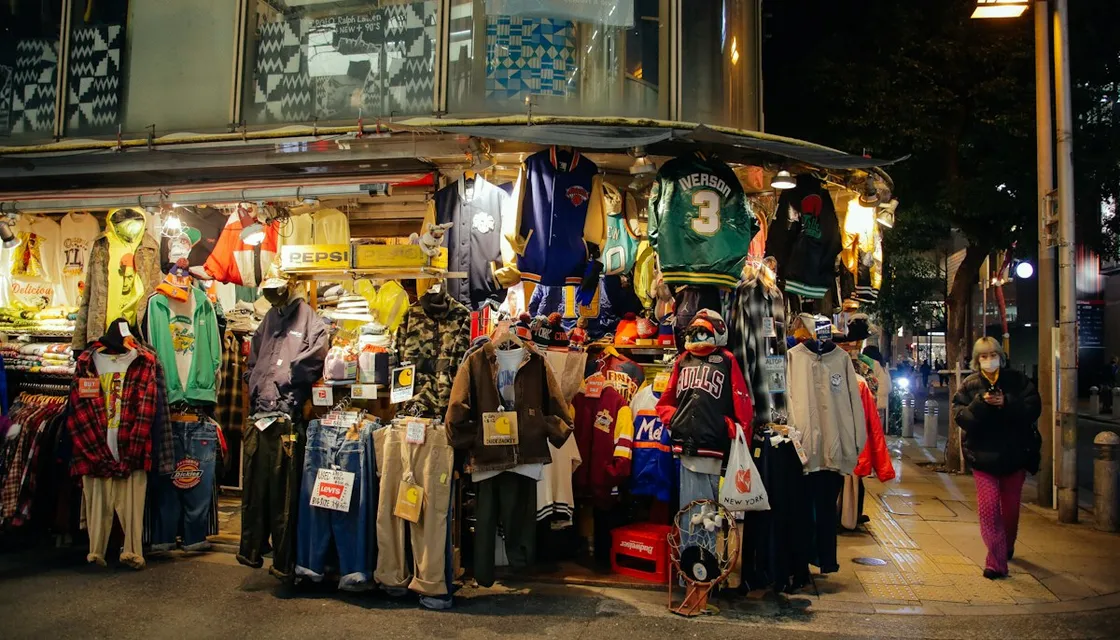
If you are in Tokyo for two months and need a monitor, a kettle, a winter coat and a bike, buying all of it new is the expensive path and rarely the fastest one.
The secondhand market here is unusually good, and it runs in both directions. Equipping a stay for a fraction of retail is easy, even for a short-term visitor.
The hard part is leaving. Resale is a normal, structured part of how people cycle through things in Tokyo, but shop buyback comes with an ID check that includes your address, and tourist-entry and digital nomad visa holders may not pass it. Before you buy, check the ID requirements at the shop you plan to sell to, and only buy what still makes sense if you get nothing back.
The cheapest way to own something in Tokyo is often to own it temporarily.
Why used goods work better here than in most cities
Condition standards are the main reason.
Japanese secondhand chains grade items carefully, clean them before display, and tend to price honestly against condition. A used item labelled as near-new usually is.
There is also volume. Tokyo apartments are small, people move often, and the calendar is full of moments that push things out of homes: the March-to-April moving season, year-end cleaning, and a general cultural comfort with letting objects go.
The result is a deep, constantly refreshed supply of ordinary useful things at prices that make short-term ownership rational.
The chains worth knowing
A handful of national chains cover almost everything a temporary setup needs, and most have branches within reach of a major station.
Hard-Off and Off House belong to the Hard-Off group, a separate listed company from Book-Off (Hard-Off also runs some Book-Off stores as a franchisee, which is why you often see them side by side). Hard-Off carries monitors, audio gear, instruments and cables, and many branches keep a “junk” corner where untested items sell very cheap. Off House leans toward appliances, furniture and clothing.
Book-Off is the one most visitors already know: books, manga, games and discs, often with a foreign-language shelf worth a browse.
2nd Street and Treasure Factory are the general recycle shops most useful for a stay. Clothing, bags, small furniture, kitchen items and sports gear all turn up here, and both chains buy things back.
Mode Off and various local independents fill in the clothing gap, which matters more than it sounds if you arrive in September and are still there in December.
Independent recycle shops are worth checking too. They are less consistent, but the pricing is looser and the odd bargain is real.
What is genuinely worth buying used
Some categories are close to risk-free.
Monitors, keyboards, mice, cables, desk lamps and power strips all hold up well and stay in demand secondhand. A second screen bought used will usually cost a fraction of new. Whether a shop will buy it back depends on the ID check, though, so do not count on it and have a plan to pass it on to someone else.
Kitchen basics are the same story. Kettles, rice cookers, pans and mugs are cheap, plentiful, and not worth carrying anywhere.
Winter coats deserve a special mention. Tokyo winters are colder than many people plan for, and a used coat solves the problem for a fraction of what a new one costs.
Bicycles are the biggest single saving for anyone staying a few months, though registration paperwork applies to used bikes as well as new ones and is worth sorting at the point of purchase. Since April 2026, riders 16 and over can also be fined on the spot for violations, from 6,000 yen for running a red light to 12,000 yen for using a phone while riding.
Some categories are better left alone. Anything with an aging battery, anything with a hygiene dimension, and anything whose failure would derail your work week is usually not the place to economise.
The apps and peer-to-peer side
Mercari dominates person-to-person resale in Japan, and the selection is enormous. The practical catch is that registration requires SMS verification, and Mercari does not accept overseas numbers or data-only SIM numbers, so without a Japanese mobile number that can receive SMS you cannot sign up. Receiving deliveries also assumes a Japanese address, which suits longer stays more than short ones.
Jimoty works on a local classifieds model, with a lot of free or nearly free furniture listed by people who simply need it gone. Pickup is usually your problem, so it fits best if you are staying somewhere with an easy ground-floor entrance.
There are also sayonara sales, the informal tradition of departing residents selling off their entire apartment contents at once. These circulate through expat and nomad community groups, and they are often the single best value available, because the seller’s priority is an empty room rather than a good price.
Watching those groups for a week before you buy anything is rarely wasted time.
Flea markets and temple sales
Weekend markets are the more enjoyable version of the same economy.
Shrine and temple grounds across the city host regular flea markets, with tableware, textiles, tools and secondhand clothing spread out on tarpaulins. Prices are negotiable in a mild, friendly way, and cash is expected.
Larger antique markets run on published schedules and skew toward collectors, so they are better for browsing than for equipping an apartment.
Either way, they are a good excuse to spend a Sunday morning somewhere you would not otherwise go.
Passing it on before you leave
This is the step most people skip, and it is where the savings actually land.
Recycle shops buy goods over the counter. You bring the item, they assess it, and you get an offer on the spot. Expect the offer to be modest, because the shop needs a margin, but modest and immediate beats abandoning things in a rental.
One thing to plan for: Japanese law requires secondhand dealers to confirm the seller’s address, name, occupation and age, with exceptions for some small sales. That makes the ID question harder than it sounds. Some chains, Suruga-ya for example, accept a passport only if it is Japan-issued and shows an address, and the digital nomad visa comes with no residence card. If you are on a tourist entry or the nomad visa, do not count on counter buyback: plan to pass things on through sayonara sales and community groups instead, and confirm with the shop before you carry a monitor across the city.
Mercari generally gets you a better price than a shop counter, but it takes time, packaging and a working delivery address, so it only pays off if you start well before your departure date.
For anything unsellable, remember that large items fall under Tokyo’s oversized waste system rather than normal collection, which takes advance arrangement and a fee.
Selling early is almost always better than selling late. The last week before a flight is a bad time to discover that nobody wants your desk.
FAQ
Do I need Japanese to shop at a recycle shop?
Not really. Prices are on tags, condition grades are visual, and the transaction is straightforward. Selling involves a short form and ID, which is where a translation app earns its place.
Is secondhand electronics safe to buy?
Graded items in the main sales floor are generally tested and often carry a short shop warranty. The cheap “junk” corners are explicitly untested and sold as-is, so treat those as a gamble rather than a bargain.
Can short-term visitors sell things back?
Do not count on it. Shops must confirm your address, and some will not accept a foreign passport as ID; the digital nomad visa comes with no residence card either. If resale is central to your budget, check with a local branch early, and plan on selling to other people through sayonara sales or community groups.