Getting Glasses and Contact Lenses in Tokyo
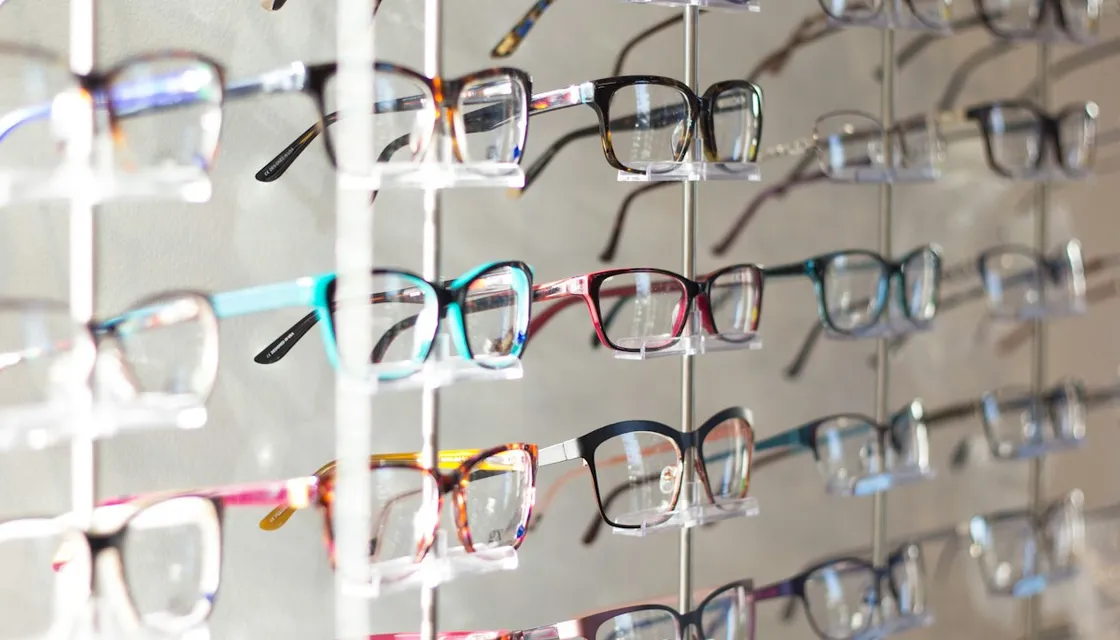
Here’s what you need to know: in Tokyo, replacing a broken pair of glasses is a same-day errand, and it’s often cheaper than at home.
Contact lenses go the other way. Japan treats them as a medical device, so you’ll usually be sent to an eye clinic first.
That difference catches people out. They assume both are sold in the same shop, then lose an afternoon finding out they aren’t.
If you stare at a screen all day, it’s good to know this before something snaps.
At a glance
| Glasses | Contact lenses | |
|---|---|---|
| Where | Fast-eyewear chains, no appointment | A contact shop with a partner eye clinic |
| Eye test | Free, on the spot | A clinic exam first |
| Timing | Standard single-vision lenses often in about an hour | Allow more time than for glasses |
| Cost | Frame price usually includes standard lenses; a basic pair often around 10,000 to 20,000 yen or less | Without Japanese health insurance, you pay the clinic fee in full; lenses usually aren’t covered |
| From home | Bring your prescription and current glasses as a reference | You can bring only about two months’ supply without extra paperwork |
Glasses are a retail purchase, not a medical one
The big fast-eyewear chains changed how this works in Japan, and now they’re all over Tokyo. You’ll find them inside train stations, in malls and on ordinary shopping streets.
It works the same way almost everywhere. You walk in without an appointment, someone gives you a free eye test on the spot, you pick a frame, and plenty of shops can fit standard single-vision lenses in about an hour.
The pricing is what surprises visitors most.
At the fast chains, the price on the frame usually includes standard lenses. Many people are used to the opposite, where the frame price is just the opening bid and the lenses quietly double it.
A basic complete pair at these chains often comes in around 10,000 to 20,000 yen or less. Prices change and vary by frame line, though, so take any number you see online as a rough guide, not a quote.
You’ll pay extra for the things you’d expect: thin high-index lenses for strong prescriptions, progressives, special coatings and premium frames.
Tokyo is very good at turning what feels like an ordeal elsewhere into a quick errand.
The eye test, and whether your home prescription helps
Most shops will do their own eye test instead of working from a prescription you bring. It’s not that they don’t trust you. That’s just how the process is set up, and the test is usually free.
Bring your existing prescription anyway.
It gives the staff something to compare against, and it helps if your eyes test oddly that day. That happens more than you’d think after a long flight or a week of bad sleep.
If your prescription is unusual, your astigmatism is strong, or you want progressives, expect a longer chat and a longer wait for the lenses. Same-day service covers standard lenses they have in stock, not everything.
One small tip: bring your current glasses even if they’re broken. Staff can read the old lenses and the frame measurements, which speeds things up a lot.
Contact lenses usually go through an eye clinic
This is where remote workers on short stays get tripped up.
In Japan, contact lenses are legally classed as a highly controlled medical device. In practice, that means contact lens shops almost always partner with an eye clinic, usually in the same building or one floor up.
The usual order is a clinic visit and eye exam, then a prescription, then buying the lenses downstairs.
Allow more time than you would for glasses. The clinic part is a medical appointment, with all the waiting and forms that come with it, and popular clinics near big stations can get busy in the evenings.
How you pay depends on your situation. If you’re on Japanese national health insurance, the clinic part is handled the usual way. If you’re not, you’ll normally pay the full fee yourself, so ask for a receipt if you plan to claim it later.
The lenses themselves are a retail purchase and usually aren’t covered either way.
Bring your contacts, buy glasses here
So treat the two differently when you pack and when you plan your time.
Glasses are something Tokyo can sort out for you at short notice, so if you care about luggage weight, there’s not much reason to carry a heavy backup pair.
Contacts are better sorted before you arrive. Bringing your usual lenses saves you the clinic trip, but there’s a limit on how many.
Contact lenses are medical devices in Japan, and you can bring in only about two months’ supply for personal use without extra paperwork: 60 days’ worth of daily disposables, two months of lenses with a set replacement period (four pairs of two-week lenses, two pairs of monthlies), or two pairs of long-term lenses.
For a three- to six-month stay, either bring two months’ worth and plan one clinic visit, or apply for an import confirmation from the regional health bureau before you travel.
If you do run out partway through, it’s no big deal. It costs you half a day.
Some shops near international areas have English-speaking staff, and translation apps handle the rest surprisingly well, since the vocabulary is narrow and repetitive.
Blue-light lenses and dry eyes
Blue-light-filtering lenses get pushed hard in Japan, and they’re usually offered as a cheap add-on, not a pricey upgrade.
The research on whether they help with eye strain is honestly mixed, so you don’t need to feel strongly either way. If a shop offers it cheaply and you’re curious, you don’t lose much.
The boring advice matters more. Dry eyes are common in Tokyo apartments in winter and in air-conditioned coworking spaces in summer, and you can pick up preservative-free artificial tears at any pharmacy.
That’s a big part of why many long-stay remote workers end up owning both glasses and contacts here: lenses for the gym, glasses for the eight-hour screen day.
FAQ
Can I get glasses made the same day in Tokyo?
Often, yes. Fast-eyewear chains can usually fit standard single-vision lenses in about an hour if your prescription is straightforward and the lenses are in stock. Strong prescriptions, progressives or special coatings normally take days, not hours.
Do I need a prescription to buy contact lenses in Japan?
Not by law. Contacts are a highly controlled medical device, and sellers are expected to ask whether you’ve seen an eye doctor and to recommend an exam if you haven’t, but no prescription is legally required.
In practice, most contact shops have a partner clinic in the same building and will steer you through it, so plan for a longer visit than you’d need for glasses.
If you know your exact lens brand and parameters, some shops and online stores will sell you a repeat supply without a new exam. An exam is still the safer choice.
Is my prescription from home accepted?
Shops usually run their own test instead of making lenses straight from a foreign prescription, partly because notation and measurement conventions differ. Bring it anyway as a reference, along with your current glasses if you have them.