Banking and Money in Japan for Digital Nomads (2026)
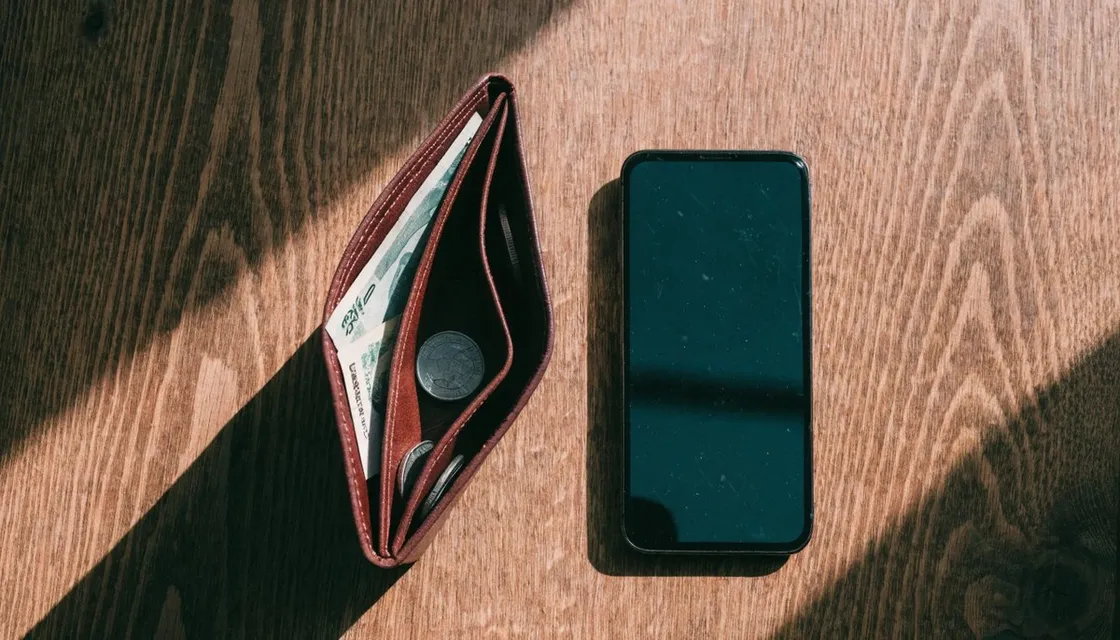
In Japan, carry cash but use cashless where you can: major cards and transit IC cards (like Suica) are widely accepted in cities, while small shops and some clinics remain cash-only. Withdraw cash with a foreign card at 7-Eleven (Seven Bank) or Japan Post Bank ATMs, which accept most international cards and offer English menus.
For most short stays you do not need a Japanese bank account; international cards, ATM withdrawals, and a transit card cover daily life.
Does cash still matter in Japan?
Yes. Despite rapid digitization, cash remains important.
Small restaurants, older shops, some clinics, and certain services may be cash-only. Always carry some yen and do not assume cards are accepted everywhere, especially outside major chains and tourist areas.
A coin purse is genuinely useful, since coins are used constantly.
Cards and cashless payments
In cities, cashless options are now widespread. Major credit and debit cards are accepted at chains, department stores, hotels, and many restaurants.
Contactless transit cards like Suica double as payment for convenience stores and vending machines. QR-code apps such as PayPay and Rakuten Pay are popular and often come with rewards, though many require a Japanese bank account or local setup to use fully.
For most short-stay nomads, an international card plus a transit card covers daily life.
Which ATMs accept foreign cards?
For withdrawing cash with a foreign card, the most reliable ATMs are at convenience stores, particularly 7-Eleven’s Seven Bank, and at Japan Post Bank. These accept most international cards and offer English menus.
Many bank-branch ATMs do not accept foreign cards, so head to a convenience store when you need cash.
Do you need a Japanese bank account?
For a short stay, generally no. International cards, ATM withdrawals, and a transit card handle daily needs.
A local account becomes useful for longer stays, paying rent and utilities, receiving local income, or fully using QR payment apps. Opening one usually requires a residence card and an address, which puts it out of reach for tourists and many shorter-term nomads.
Japan Post Bank and some online banks are often cited as more accessible for foreign residents.
Smart money tips
- Use a multi-currency or low-fee travel card to minimize foreign-transaction charges, and check your card’s ATM fees before withdrawing.
- Services like Wise and Revolut are popular with nomads for holding yen and getting fair exchange rates.
- Keep a cash buffer for cash-only situations.
- Track spending across cards and apps so currency conversions don’t surprise you.
With one or two good cards, a transit card, and some cash, money in Japan becomes one less thing to worry about. Tax matters can be complex for longer stays; see our digital nomad visa guide for the basics, and consult a professional for your situation.
FAQ
Can I use my foreign credit card in Japan? Yes, at chains, hotels, and many restaurants, but carry cash too, since small shops and some services are cash-only.
Which ATMs in Japan accept international cards? 7-Eleven (Seven Bank) and Japan Post Bank ATMs are the most reliable for foreign cards and offer English menus.
Do digital nomads need a Japanese bank account? Not for short stays. A local account mainly helps for long stays, paying rent, receiving local income, or fully using QR payment apps, and usually requires a residence card.