Sangenjaya for Remote Workers: Sancha's Easygoing Side
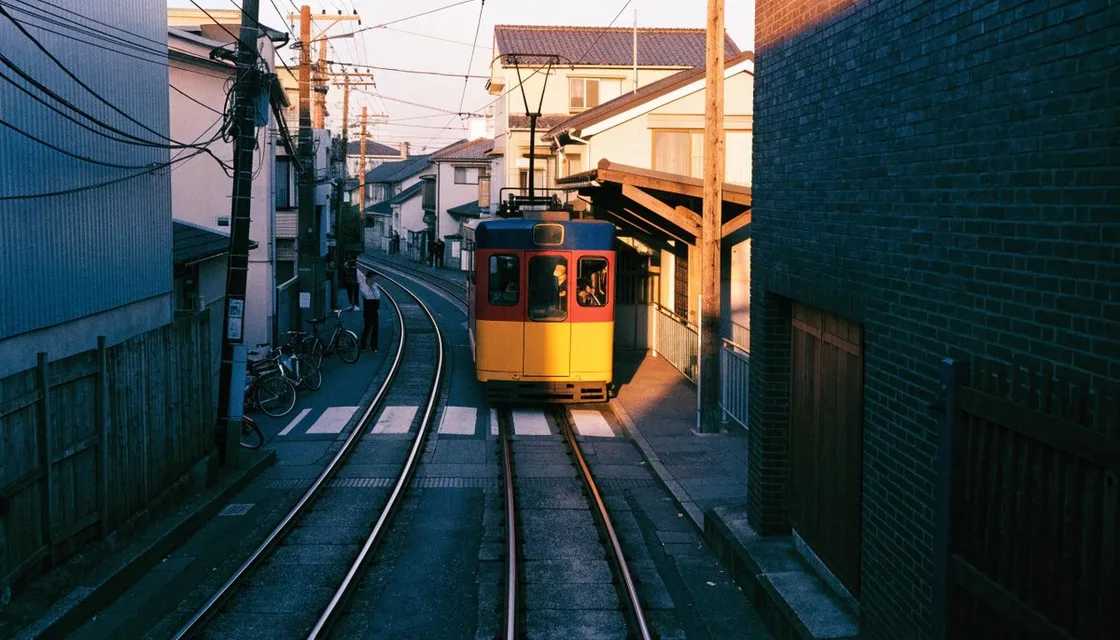
Sangenjaya is the neighborhood to consider if you want to be a few minutes from Shibuya but would rather come home to a street that feels like a town.
Locals call it “Sancha,” and the nickname fits. It is relaxed, a little scruffy in a friendly way, and busy mostly with people who actually live nearby.
For a remote worker, that combination is the appeal. You get fast trains, plenty of cafes, and a daily routine that does not feel like a commute through a theme park.
A good base is a place where the errands are easy and the evenings are interesting, and nobody asks you to be anywhere at all.
Why Sangenjaya works as a base
The location does most of the work. Sangenjaya sits on the Tokyu Den-en-toshi Line, which runs straight out of Shibuya, so you are only a few minutes from one of the city’s biggest hubs.
The Tokyu Setagaya Line, a small two-car line that feels closer to a tram, also stops here and links the neighborhood to quieter residential areas to the west.
The area around the station is dense with small shops, bakeries, izakaya, and everyday services. Move a few blocks away and it turns into low-rise residential streets.
That mix is useful. You can have a proper working day, then walk home through streets that quiet down on their own.
It also sits comfortably between two neighbors you may already know. If you like the character of Shimokitazawa but want something a little less crowded, or the calm of Nakameguro with a more everyday feel, Sangenjaya is a natural middle ground.
Where to work
Sangenjaya is a cafe-and-counter kind of neighborhood rather than a coworking district.
You will find independent coffee shops, bakery cafes, and a few chain outlets within a short walk of the station. Quality and laptop tolerance vary a lot from one to the next, so it helps to look at the room before you commit to a long session.
A few habits make this easier:
- Visit on a weekday morning first, when most places are calmer.
- Check whether tables near outlets are set aside for short stays.
- Order again if you stay past a couple of hours.
If your day is packed with video calls, plan to pair Sangenjaya with a dedicated space nearby. Shibuya is close, and its coworking options are far more numerous than anything in Sancha itself. Time the commute, though: inbound Den-en-toshi trains into Shibuya are packed at the morning peak, roughly 7:50 to 8:50, so head in before or after it if you can.
Many nomads find a split works well: calls and long sessions in a booked space, then lighter reading or writing in a neighborhood cafe.
Eating and everyday life
Sangenjaya is a good place to eat on a regular budget.
The streets around the station are full of small restaurants, from casual set-meal counters to izakaya that fill up after work. Lunch sets are usually the best value of the day, and the neighborhood has a reputation for food that locals return to week after week.
Narrow lanes near the station, often grouped under the nickname of the “triangle” area, are known for tiny bars and late-night spots. They are fun to explore, though seating is limited and some places prefer regulars, so go with an easygoing attitude.
Daily errands are simple. Supermarkets, drugstores, and bakeries sit within a few minutes of the station, and the covered shopping streets give the area a village feel.
If you like that kind of everyday retail, our guide to Tokyo’s shotengai explains how to get the most out of them.
Getting around
Transport is the quiet strength of the neighborhood.
The Den-en-toshi Line gives you direct access toward Shibuya, and from there you can connect to most of the city. Trains are frequent and easy to use, even on your first day.
The Setagaya Line is slower and much more local, but it is a pleasant way to reach residential stretches that most visitors never see.
Walking is realistic too. Shimokitazawa is reachable on foot if you enjoy a longer stroll, though the route is better treated as an outing than a commute.
Mobile coverage is generally good throughout, so tethering between cafes is rarely a problem.
Housing and who it suits
Sangenjaya is popular with people who want convenience without paying central-Tokyo prices, though rents vary by building and distance from the station. Treat any figure you see online as a rough guide and check current listings.
For short and mid-term stays, expect competition, especially for places close to the station. Being flexible by a few minutes’ walk often widens your options.
The neighborhood suits nomads who like a lived-in feel, who prefer cooking and eating locally to being near nightlife hotspots, and who value quick access to Shibuya without living inside it.
If you want large, silent workspaces on your doorstep, or a polished, international atmosphere, you may find other areas a better fit.
FAQ
Is Sangenjaya good for remote work? It works well for cafe-based days and as a quiet place to live. Heavy video-call schedules are easier if you pair it with a coworking space in nearby Shibuya.
How far is Sangenjaya from Shibuya? It is a few minutes by train on the Tokyu Den-en-toshi Line, with frequent service throughout the day.
Is it a good alternative to Shimokitazawa? Many people see it as a calmer, more everyday option. It has less of a vintage-shopping crowd and more of a neighborhood feel, though both are walkable from each other if you enjoy a longer stroll.