Ginza for Remote Workers: Where Business Meets Luxury
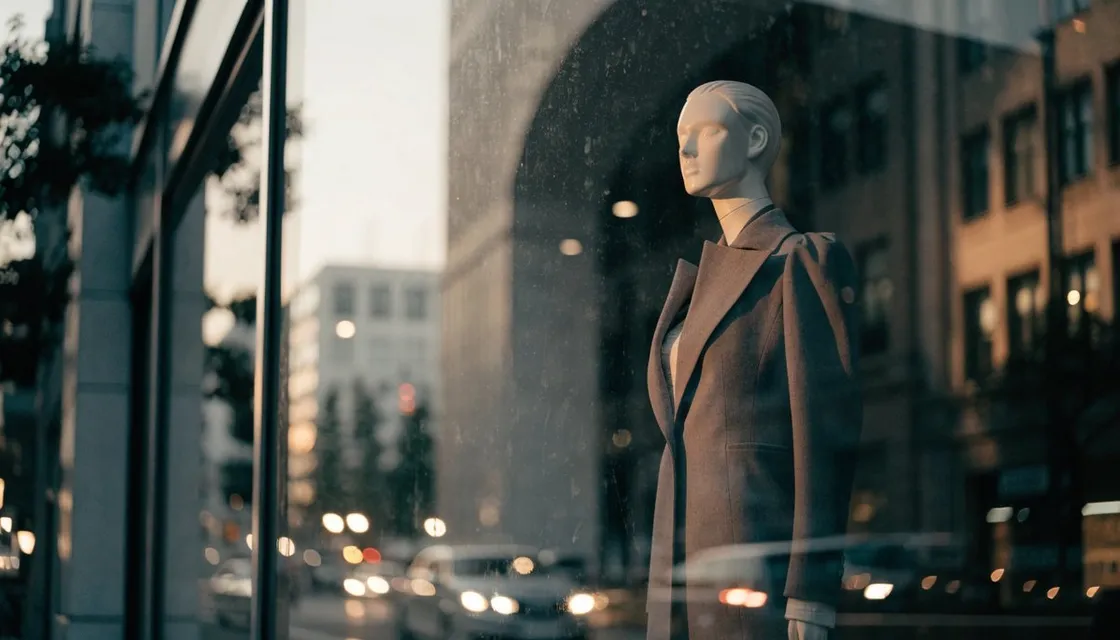
Ginza is worth visiting, worth working from for an afternoon, and worth avoiding as a home base. That is the short version.
The neighbourhood runs on a numbered grid of blocks that is easy to navigate once you know it, and it packs an unusual amount of order into a small area.
Wide pavements, quiet side streets, flagship stores from nearly every major luxury brand, and department stores that have been open for over a century all sit within a fifteen minute walk of each other.
What Ginza does not have, in any real supply, is the kind of cheap coworking density or long-stay housing that makes a district easy to live and work from as a nomad.
Plenty of remote workers still spend time here. They just do it differently than they would in Shibuya or Shimokitazawa.
What Ginza actually is
Ginza sits in Chuo ward, wedged between Tokyo Station, Tsukiji and Shimbashi, and it is laid out as a grid of numbered chome blocks running off the main boulevard, Chuo-dori.
That boulevard closes to cars on weekend afternoons and turns into a pedestrian street, which is when Ginza is at its most pleasant and its most crowded at the same time.
Away from Chuo-dori, the character changes fast. The back streets toward Kyobashi hold small kissaten and old bars that have nothing to do with the luxury retail a block over.
Ginza rewards a slow walk more than a fast one. The interesting parts are one street back from the one everyone photographs.
The department stores here, Mitsukoshi and Matsuya among them, are worth a visit on their own, and their basement food floors are some of the best depachika in the city.
Working from Ginza
Ginza is not built around flexible coworking the way Shibuya or Shinjuku are. What it has instead is serviced offices and business-hotel lobbies aimed at finance and retail professionals, not day-pass hunters.
That does not make it unworkable. It makes it a district you visit with a plan rather than one you wander into looking for a desk.
Cafes exist, but the ratio of tourists to seats near Chuo-dori is rough during the day. The independent kissaten a few streets back, especially toward Kyobashi and Shintomicho, are calmer and often happy to have someone sit for an hour with a coffee. Some of the older ones do not allow laptops, so check before you open yours.
If a proper coworking day is the goal, most nomads treat Ginza as a short trip from a base elsewhere rather than the base itself. Our Tokyo coworking spaces guide covers the chains with the most reliable drop-in options citywide.
If you want one specific place nearby, our S-TOKYO coworking guide covers a coworking space in Nihonbashi by Kodemmacho Station, a direct ride to Ginza on the Hibiya Line.
For a call, do not rely on finding a quiet cafe corner here. The area is well covered by paid work booths in the bigger commercial buildings, and it is worth checking our guide to Tokyo work booths and video calls before you arrive.
Staying in Ginza
Almost nobody bases a long stay here, and the reasons are straightforward.
Monthly apartments and share houses are scarce in Ginza itself. What the area has instead is business hotels, priced for expense accounts and short trips rather than for a nomad budget stretched over weeks.
The practical move is to stay in Kyobashi, Hatchobori, Shimbashi or Nihonbashi, all a short walk or one stop away, and treat Ginza as a destination rather than an address.
If you are comparing bases across the city rather than just this corner of it, the complete guide to Tokyo areas for digital nomads lays several out side by side.
Getting in and out
Transport is one of the strongest arguments for spending time in Ginza even if you do not live there.
The Ginza, Hibiya and Marunouchi subway lines all meet at Ginza Station, and Tokyo Station, Yurakucho and Shimbashi are all close enough to reach on foot if you would rather skip the transfer.
That means Narita and Haneda are both reasonable from here, and most of central Tokyo is a single ride away without much walking on either end.
The honest downsides
Prices are the obvious one. Coffee, lunch and pretty much anything sold in a Ginza storefront costs more than the equivalent two stops away, and it is easy to spend a full day here without noticing how much you have gone through.
Weekend afternoons are genuinely crowded once Chuo-dori closes to traffic. If quiet streets are the point of your visit, come on a weekday morning instead.
Desk availability is the real constraint for actual work. This is a district built for shopping, dining and business meetings, not for finding a laptop-friendly seat on short notice.
Who Ginza suits
Come here for a client meeting, a specific restaurant, a gallery afternoon, or the kind of shopping you cannot do anywhere else in Tokyo. It earns its reputation for all three.
If you shop here, know that tax-free shopping works differently for purchases from November 1, 2026. You now pay the full price including consumption tax, take the goods out of Japan within 90 days of purchase, have customs confirm them at the airport or port, and only then get the tax back. The system is meant for foreign travellers, so if you are living in Japan on a longer-term residence status you may not qualify; check before you count on the refund.
Skip it as a place to base yourself if what you need day to day is affordable coworking, long-stay housing, or a neighbourhood that feels lived in rather than curated.
Most remote workers who spend real time in Ginza are staying somewhere quieter nearby and coming in for a specific reason, not setting up a desk here for the week.
FAQ
Is Ginza a good area for digital nomads to stay in?
Not usually. Long-stay housing is scarce and expensive, and the accommodation that exists is aimed at business travellers. Many remote workers stay in nearby Kyobashi, Nihonbashi or Shimbashi instead and visit Ginza on foot.
Can you work from cafes in Ginza?
It is possible but harder than in most Tokyo districts. Chains near Chuo-dori fill with shoppers and tourists during the day. Independent kissaten toward Kyobashi and Shintomicho are a better bet for a longer sitting.
Is Ginza expensive compared to the rest of Tokyo?
Yes, noticeably. It is one of the highest-priced retail districts in the country, and everyday costs like coffee and lunch reflect that. Prices change often, so treat any figure as a starting point rather than a fixed number.