Ueno for Remote Workers: Park, Museums, and a Base
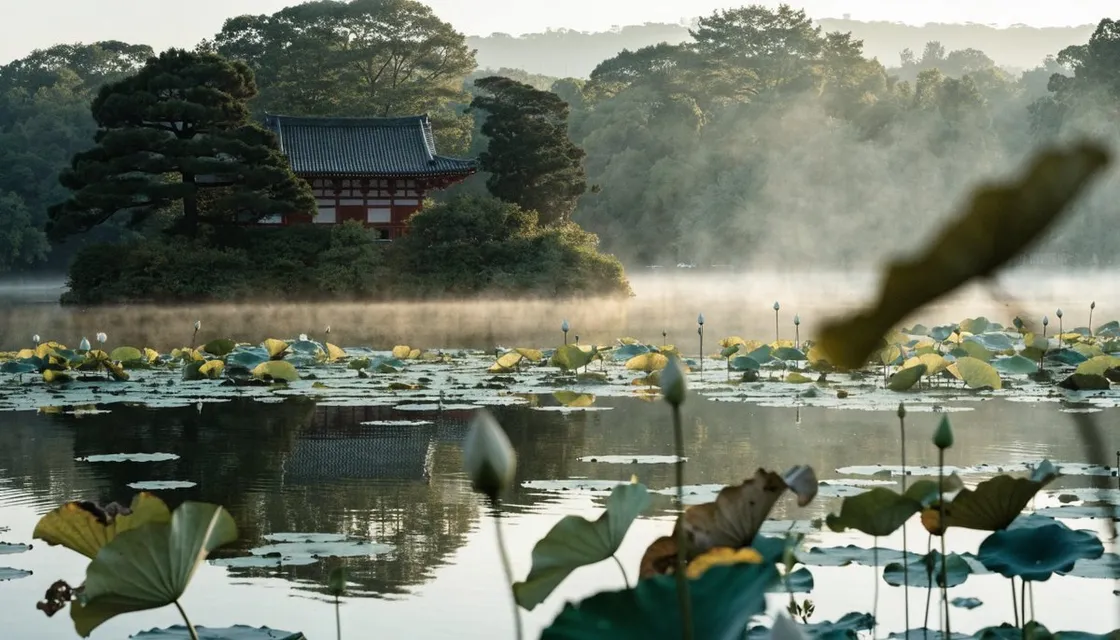
Ueno is the easiest place in Tokyo to arrive at and one of the harder places to sit down in.
That is the whole tension of the neighborhood. The station connects to Narita in about 40 minutes on the Skyliner, to the Shinkansen heading north, and to the Yamanote loop. The park next door holds most of the city’s big museums. The market underneath the tracks feeds you for less than almost anywhere else on the loop.
What Ueno does not have much of is the obvious remote-work infrastructure. Fewer laptop cafés, fewer coworking spaces, more crowds at the exits.
So the way to use Ueno is to treat it as a base with a very good front door, and to know the three or four quiet spots before you need them.
The station is the point
Most neighborhood guides on this site start with the streets. Ueno starts with the station, because the station is why you are here.
If you are flying in or out of Narita, the Keisei Skyliner from Keisei-Ueno is the calm option. It is a reserved-seat train with luggage space, and it drops you a short walk from the JR side. If you are heading to Sendai, Nagano or anywhere north, the Shinkansen stops here before Tokyo Station, which saves you the Tokyo Station labyrinth entirely.
That makes Ueno a strong choice for the first or last night of a stay, or for a week where you plan to leave the city.
For the day you arrive, the coin lockers are heavily used, especially the ones nearest the park exit. The coin locker and luggage storage guide covers the alternatives when they fill up.
Ueno rewards people who know where they are going next. It is less kind to people who are still deciding.
Ueno Park before 10am
The park is the neighborhood’s real workspace, and it works best early.
Between roughly 7 and 10 in the morning, the main paths are joggers, dog walkers and a few people doing radio calisthenics. Benches are free, and the light through the trees is at its best.
There are a few chain cafés on the park’s edge and inside the station’s park-side exit, and they are calm at that hour. By late morning on a weekend, the same cafés are full of families heading to the zoo.
For calls, the park is surprisingly workable in the early hours if you find a bench away from the fountain area. Later in the day, it is a park, and it sounds like one.
The museum cluster as a rainy-day office
Ueno has the National Museum of Nature and Science, the Tokyo National Museum, the National Museum of Western Art and several smaller institutions within a ten-minute walk of each other.
None of them are places to open a laptop in the galleries. But most have a café or a lobby where a coffee buys you a quiet, air-conditioned half hour between meetings, and a weekday morning visit is far calmer than the weekend. Plan around Mondays: the Tokyo National Museum and the National Museum of Western Art are closed every Monday (the next weekday instead when Monday is a public holiday), so check each museum’s calendar before you build a rainy day around it.
The weekday museum guide goes into which ones suit a split day of work and looking.
The practical pattern many nomads settle into: work from a café or your accommodation through the morning, take a long lunch that includes one museum, then do the second block of work somewhere quieter than Ueno.
Ameyoko: eat here, do not work here
Ameya-Yokocho is the market street that runs under and beside the tracks between Ueno and Okachimachi.
It is loud, it is dense, and it is still a place to eat cheaply and quickly, though more of it is now priced for visitors. Seafood bowls, kebabs, fresh fruit sold by the cup, and a run of standing bars that open early. If the tachinomi guide made you curious, Ameyoko is a low-stakes place to try one.
Do not try to work in it. Nobody does.
The trick is timing. Ameyoko in the late afternoon is at its most crowded. Ameyoko before noon on a weekday is a market doing its own thing, and you can walk it in ten minutes and come away with lunch.
Where the quiet actually is
Ueno’s calm side is the north and east edges of the park, where it starts turning into Yanaka.
Walk past the museums and the streets narrow, the buildings drop to two storeys, and the temples start. The Yanaka neighborhood guide covers that side properly. The short version is that a 15-minute walk from Ueno station puts you in one of the most workable low-key districts in the city, with kissaten and small cafés that suit a short laptop session. Most have few outlets and are not built for all-day stays, so treat them as a morning or an hour, not an office.
The other quiet option is south. Okachimachi and the streets toward Akihabara have office-district cafés that empty out after lunch, and a couple of coworking spaces that the Ueno side lacks.
In other words, Ueno itself is the hub. The workspace is a short walk in any direction away from it.
Staying in Ueno
Accommodation around Ueno tends to be cheaper than the west side of the loop, with a lot of business hotels, a few capsule hotels and a cluster of hostels that cater to people arriving from Narita.
Rooms can be small and desks can be an afterthought, so if you plan to take calls from your room for a week, it is worth checking the desk situation before booking rather than after.
The upside is that the neighborhood is very easy to leave and come back to, which matters more than it sounds when you are doing day trips or an airport run at an awkward hour.
FAQ
Is Ueno a good place to base for a first week in Tokyo? For a first or last week, yes, especially if you are flying through Narita or planning trips north. For a longer stay where you want a café-and-coworking routine, the west side of the loop will suit you better. Yanaka next door is a quieter place to live, but it is short on all-day workspace too.
Where can you work from a laptop near Ueno Station? Early in the day, the park-side cafés and benches. Later, walk toward Yanaka for a short café session or toward Okachimachi for longer work, rather than staying near the station exits, which are busy from mid-morning onward.
Is Ameyoko open every day? Most stalls trade daily, with individual shops taking their own days off. Mornings are quieter than afternoons, and the run-up to New Year is famously packed.