Tokyo Museums on a Weekday: Culture Without the Crowds
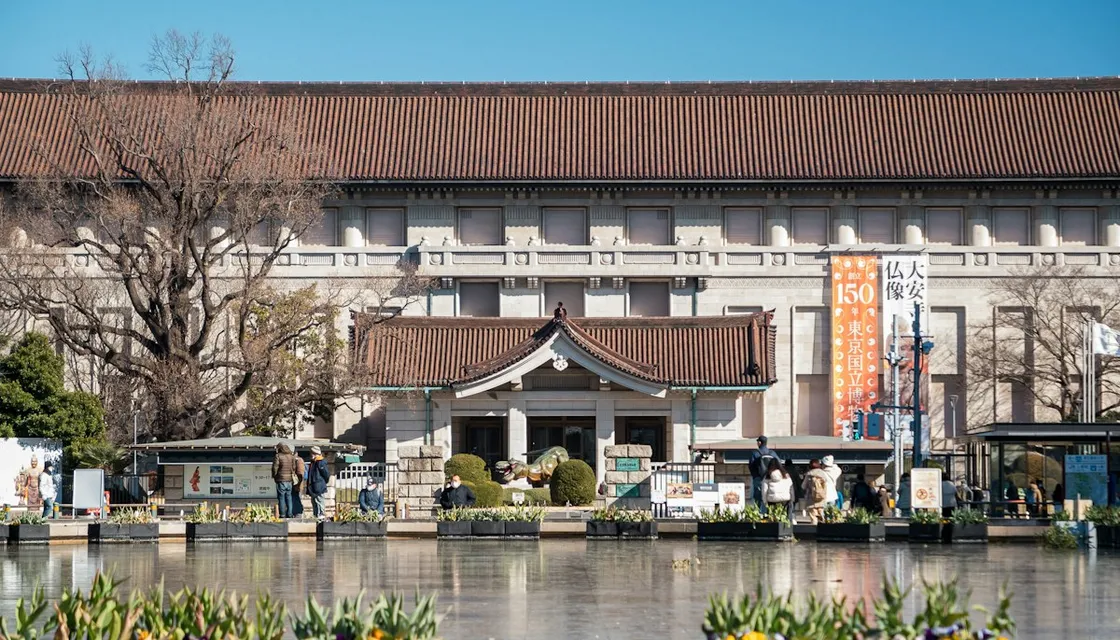
The single biggest advantage of working remotely in Tokyo is not the cafés or the trains. It is the ability to walk into a world-class museum at 10:30 on a Tuesday morning and have a gallery almost to yourself.
Tokyo’s museums are famously crowded. On weekends, the big-name exhibitions can mean queues around the block and a slow shuffle past paintings you barely get to see.
Midweek, the same rooms are calm enough to sit down in.
If you have any flexibility in your working hours, that flexibility is worth spending here.
Why weekday mornings change everything
Most museums in Tokyo open around 9:30 or 10:00 and close in the late afternoon or early evening. The first ninety minutes after opening tend to be the quietest window of the entire week.
Groups arrive later. School visits cluster in the middle of the day. Office workers come after five, if at all.
A nomad who can shift a block of work to the afternoon or evening gets the best version of every museum in the city, usually for the standard admission price.
The city does not reward speed. It rewards showing up at the hours nobody else can.
Mondays are the exception worth memorising: many Japanese museums close on Mondays, and when a national holiday falls on a Monday they typically close the following Tuesday instead. Not every museum follows the pattern: the National Art Center closes on Tuesdays, and Mori Art Museum opens daily while an exhibition is on, closing early on Tuesdays and shutting between shows. Always check the day before you go.
The big institutions worth a slow morning
Tokyo National Museum in Ueno is the deepest collection of Japanese art and archaeology anywhere. It is genuinely large, so treating it as one visit is a mistake. The Honkan building alone, walked slowly, is a satisfying morning.
The National Museum of Modern Art (MOMAT) near Takebashi has a permanent collection that traces twentieth-century Japanese painting, and its upper-floor rest area looks out over the Imperial Palace moat.
The National Art Center in Roppongi has no permanent collection at all. It exists to host exhibitions, and its wave-fronted glass building is worth the trip even if nothing on the schedule appeals.
Mori Art Museum, also in Roppongi, sits high above the city and keeps unusually late hours, which makes it a good option if your calls run through the morning. It is not the only evening option: Tokyo National Museum stays open until 8 p.m. on Fridays and Saturdays.
Ueno Park is the efficient choice when you want options: several major museums sit within a few minutes’ walk of one another, so a cancelled plan is easy to replace.
The smaller museums that reward curiosity
Tokyo’s smaller museums are where the city gets strange and specific, and they are often nearly empty on a weekday.
Nezu Museum in Aoyama pairs a collection of East Asian art with a garden that feels impossibly quiet given how close it is to Omotesando. It sells timed tickets online, which cost less than buying at the door, so book a slot before you go.
The Japan Folk Crafts Museum (Mingeikan) in Komaba is a wooden house full of ceramics, textiles and everyday objects collected under the mingei philosophy.
Intermediatheque, in the KITTE building across from Tokyo Station, is free, eccentric and full of University of Tokyo specimens arranged like a nineteenth-century cabinet of curiosities.
The Advertising Museum Tokyo (ADMT) in Shiodome is a quiet look at a century of Japanese commercial design, and it is also free.
Free museums matter more than they sound. They lower the stakes enough that you can drop in for forty minutes between calls without feeling you need to extract full value.
Practical things that make visits smoother
Many major exhibitions now use timed-entry tickets bought online in advance, and some sell out on popular weekends. Weekday slots are usually available much later, sometimes on the morning itself.
Coin lockers near the entrance take backpacks and laptop bags, which matters if you are coming straight from a work session.
Photography rules vary by room, not just by museum. Permanent collections often allow it without flash; special exhibitions frequently do not.
English signage is good at the national museums and patchy at smaller ones. Many places offer an audio guide or a printed English sheet at the desk, so it is worth asking rather than assuming.
If you visit museums more than occasionally, look into the Grutto Pass, which bundles free or discounted admission to a long list of Tokyo museums, gardens and zoos. A new edition goes on sale each April, it is valid for two months from first use, and it comes as an e-ticket or a card. It suits exactly the kind of scattered, opportunistic visiting that a flexible schedule makes possible.
Museums as a working-day reset
There is a practical case for this beyond culture. Long stretches of screen work flatten your attention in a way that more screen time does not fix.
An hour in a gallery is one of the few activities in a city this dense that asks you to look slowly at one thing at a time.
Many museum buildings also have good cafés and, in some cases, comfortable seating areas where you can sit with a notebook afterwards. They are usually not places to open a laptop and take calls, so treat them as thinking space rather than a substitute for a coworking desk.
The pattern that seems to work well is simple: museum in the morning, lunch nearby, then a focused work block in the afternoon when the city is loud anyway.
FAQ
Which day is worst for Tokyo museums?
Weekends, and especially the final weekends of a popular special exhibition. Mondays are usually closed entirely, with a shift to Tuesday closure when a Monday is a public holiday.
Do I need to book in advance?
For blockbuster special exhibitions, often yes, and booking online is usually cheaper and faster than the ticket window. For permanent collections and smaller museums, walking in on a weekday is normally fine.
Are there good options if I do not read Japanese?
Yes. The national museums generally provide English labels and audio guides, and several smaller museums are largely visual. Checking the museum’s English website before you go will tell you what to expect.