Shinjuku for Remote Workers: Where to Actually Work
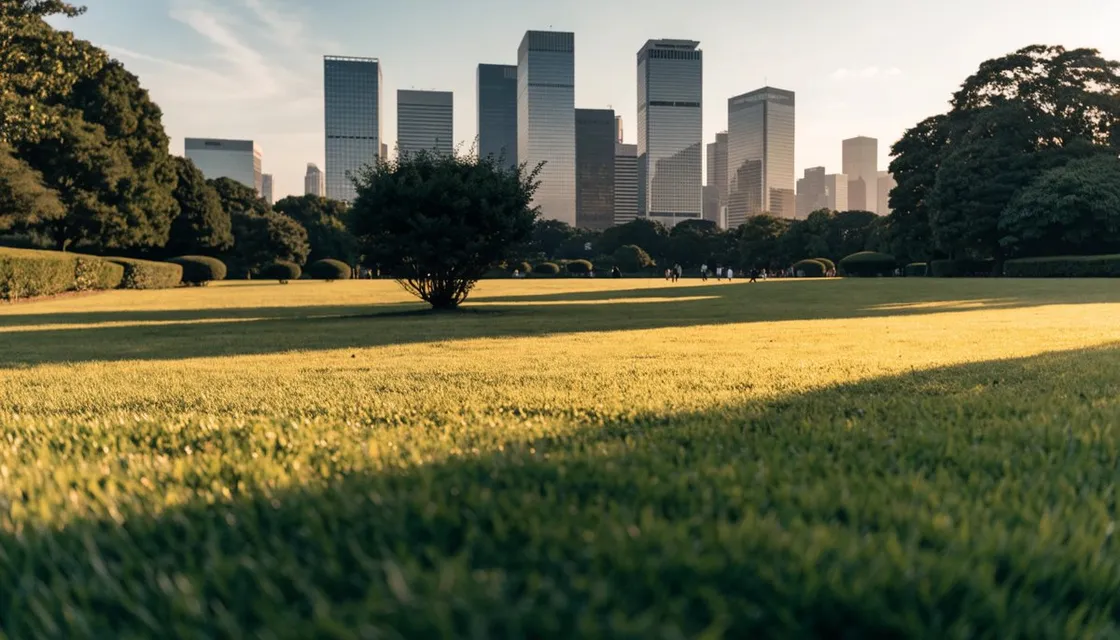
Shinjuku is not one neighborhood. It is four or five distinct districts sharing a station name, and most remote workers who write it off have only ever seen one of them.
The practical move is to stop thinking about “Shinjuku” and start picking an exit.
Choose the side of the station before you choose the cafe, and the district becomes workable. Skip that step and you will spend your morning walking through the busiest rail hub on earth looking for a seat.
The station is the obstacle, not the neighborhood
Shinjuku Station handles an enormous daily passenger volume, routinely cited as the highest of any station in the world. What that means in practice is less about crowds and more about geometry.
The station has a large number of exits spread across several operators, and the walk between two of them can easily take ten to fifteen minutes underground.
So the cost of a bad guess is high. If you exit east when your cafe is west, you do not simply cross a street. You re-enter the concourse and swim upstream.
Pick your exit before you tap out. Everything downstream of that decision gets easier.
Shinjuku punishes indecision and rewards people who commit to one side of the tracks for the day.
West side: towers, lobbies, and actual desks
Nishi-Shinjuku is the skyscraper district, and it is the most underrated work zone in central Tokyo.
The towers house hotels, and hotel lobbies here tend to be generously sized and quiet by mid-morning. The seating that works is usually the lobby lounge, which means ordering from the menu, paying lounge prices, and sometimes a time limit. Chain cafes on the ground floors of office buildings turn over fast at lunch and then empty out.
This is also where you will find the highest density of proper coworking space near the station. If you want a real desk, a monitor, and a door between you and the noise, west is the answer. Our Tokyo coworking spaces guide covers how the drop-in and monthly models differ.
The rhythm of Nishi-Shinjuku is office rhythm. It fills at nine, floods at noon, and thins out by mid-afternoon.
Work the shoulders of that curve and you will have space.
East side: Kabukicho and the late shift
The east exit leads to the Shinjuku most visitors picture. Department stores, Kabukicho, a wall of signage, and crowds that do not really stop.
Daytime focused work here is a fight. But the east side has one genuine advantage that almost nowhere else in Tokyo matches: it does not close.
If your team is in Europe or North America and your calls land at eleven at night, the east side keeps serving you. Net cafes, late chain restaurants, and 24-hour options are dense here, but not all of them suit a call. An open-top net cafe booth carries your voice to everyone nearby, and a late-night restaurant is no place to talk shop, so check the shop’s rules on calls and look for a lockable private room (chains such as Kaikatsu Club offer them at some branches), or book a paid work booth instead. For the mechanics of that, see the capsule hotels and net cafes guide.
The tradeoff is honest and worth stating. You are trading quiet for availability. Many nomads find that acceptable for a two-hour evening call block and unbearable for a full workday.
Golden Gai and Omoide Yokocho sit on this side too, which makes the east exit a good place to end a day rather than start one.
South and southeast: the quiet edge
Walk south and Shinjuku loosens its grip surprisingly fast.
Yoyogi, Sendagaya, and the streets toward Shinjuku Gyoen shift from towers to mid-rise buildings, smaller cafes, and a pace that feels like a different city. You are still minutes from the station, but the noise floor drops noticeably.
This is where people who actually live in the area tend to work. Independent cafes here are more likely to have power outlets and a tolerant attitude toward a laptop, though it is always worth checking signage first.
Shinjuku Gyoen itself is a paid-entry garden, and that entry fee is doing useful work. It filters the crowd. On a decent day it is one of the better places in central Tokyo to take a call outdoors or reset between blocks. Check the calendar first: the garden is closed on Mondays (the next weekday when Monday is a holiday), apart from short spring and autumn periods, and from October to mid-March it closes at 4:30 p.m.
Sleeping in Shinjuku, or near it
Staying in Shinjuku means paying a premium for transport access, and whether that is worth it depends entirely on how much you move around.
If your week involves client visits across several wards, the access is genuinely valuable. Shinjuku connects to most of the network without transfers.
If your week is mostly one desk and one neighborhood, you are paying for optionality you will not use. Somewhere two or three stops out will give you more room and a quieter street for less.
The complete guide to Tokyo areas lays out how the trade looks across the city.
The question is never whether Shinjuku is good. It is whether you need what Shinjuku is expensive for.
What Shinjuku does better than anywhere else
Three things, specifically.
Transport, which is not a small point when your schedule is unpredictable. Late hours, which matter enormously if you work across time zones. And density of everything at once, so a day that includes a coworking session, a haircut, a camera repair and dinner can happen without a train ride.
That last one is easy to undervalue until you have spent a week somewhere charming and had to cross the city for every errand.
What it does worse
Decision fatigue is real here. Too many options, too much signage, too much noise competing for attention.
Cost runs above the city average for cafes and accommodation, though not dramatically.
And the sheer scale means walking distances are longer than the map suggests. A ten-minute walk in Shinjuku often involves stairs, underpasses, and a crowd.
If your work needs deep quiet, the city has better answers. The Tokyo silence map is a more useful starting point on those days.
FAQ
Is Shinjuku a good base for a first month in Tokyo?
It is a reasonable one if you value transport and late hours, and a poor one if you value quiet. Many people use it as a landing pad for a week or two, then move somewhere calmer once they know the city better.
Where is the quietest place to work near Shinjuku Station?
Generally the south and southeast, toward Yoyogi, Sendagaya and Shinjuku Gyoen. The further you get from the east exit, the lower the noise floor.
Can you take video calls in Shinjuku?
Yes, and there are more paid work booths around the station than in most parts of Tokyo. See the work booths and video calls guide for how the booth networks work.