Nikko Day Trip from Tokyo: How to Do It Right
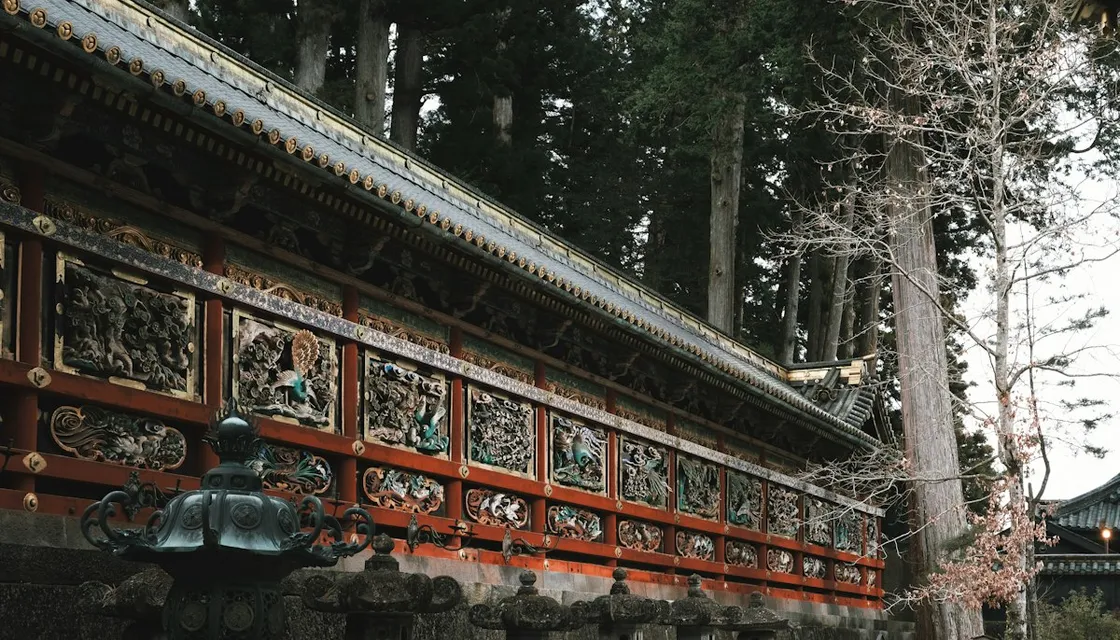
Nikko works as a day trip, but only if you pick one half of it. The shrines below, or the mountain above. Attempt both between breakfast and dinner and you will spend most of the day sitting on a bus.
That is the single decision that makes or breaks the trip, and almost nobody makes it before boarding.
Getting there
The clean route is Tobu, from Asakusa, on a limited express straight through to Tobu-Nikko. It takes around two hours with a reserved seat and no transfers.
There is also a slower, cheaper Tobu option using rapid and local trains, usually with a change partway. Fine if your budget matters more than your morning.
The JR route goes Tohoku Shinkansen to Utsunomiya, then a local line into Nikko. On paper it looks fast. In practice the change of trains inside Utsunomiya station eats most of the gain, and it costs more. It is mainly worth it if you are holding a rail pass that covers it.
If you live on the west side, there is a third option: a JR and Tobu through limited express from JR Shinjuku straight to Tobu-Nikko, which saves the trip across town to Asakusa. A JR pass covers it only as far as Kurihashi, where the line switches to Tobu, so you pay a separate fare for the rest.
Tobu sells area passes that bundle the round trip with local buses. The names and the coverage areas get reshuffled every few years, so ask at the Asakusa counter on the day rather than trusting an old blog post, this one included.
If you are staying in Asakusa already, the trip starts a few minutes from your door, which is one of the quieter arguments for basing yourself there.
Pick your half of Nikko
The shrines. Tobu-Nikko station, a bus or a walk of roughly half an hour, then the World Heritage complex: Toshogu, Rinnoji, Futarasan. You can do this properly in an afternoon and still be relaxed.
The mountain. A bus up the Irohazaka switchbacks to Lake Chuzenji and Kegon Falls. The ride alone takes a decent chunk of an hour each way, plus the queue in high season.
Doing both is technically possible. It is also the version of the day people describe afterwards as exhausting.
Nikko rewards the traveller who picks one thing and does it slowly.
The shrines, briefly
Toshogu is Tokugawa Ieyasu’s mausoleum, and it looks nothing like the restrained temples closer to Tokyo. Gilding, carved animals, colour everywhere. Whether that reads as magnificent or as a lot depends entirely on you, and both reactions are common.
Rinnoji and Futarasan sit within walking distance and are noticeably calmer.
Tickets are sold per site, sometimes with combination options. Restoration scaffolding moves around the complex more or less permanently, so if one specific building is your reason for going, check its status before you commit the day.
The cedar avenue on the approach is, for a lot of visitors, the part that actually stays with them.
Up to Chuzenji
Lake Chuzenji sits high above the town, and the temperature difference is real. Pack a layer even in shoulder season, and a proper jacket if you are going anywhere near winter.
Kegon Falls is right there, with a paid elevator down to a viewing platform at the base.
Autumn is the obvious draw, and the timing is staggered: the mountain usually turns weeks before the town below does, so the “best” week depends on which altitude you are aiming at. It also means the Irohazaka road backs up badly on peak weekends. Go on a weekday if you possibly can.
Treat it as a day off
This is not a working destination, and pretending otherwise ruins both halves of the plan.
The limited express has reserved seats and tray tables, so the journey itself is comfortable enough for reading or offline writing. Connectivity through the hills and tunnels is unreliable, so download what you need before you leave Asakusa.
Cafés near the station exist but are few, and they keep tourist-town hours rather than city hours.
If you want a shorter reset that still leaves the afternoon workable, Kamakura is the better call. Nikko asks for the whole day.
Eating
Yuba, the delicate skin that forms on simmering soymilk, is the local specialty and turns up in everything from set meals to street snacks. Soba is the other safe bet.
The important practical detail: many restaurants near the shrines wind down in the middle of the afternoon. Eat early or eat late, but do not assume you can sort it out at four o’clock.
Getting home
Reserve your return seat when you buy the outbound leg, especially in autumn. Tobu’s limited expresses are all reserved seating, so there is no unreserved car to fall back on. If the return seats sell out on a Sunday evening in November, you are left with slower local trains and changes along the way, which is not a pleasant way to end a good day.
If you would rather stay over, Nikko also sits comfortably in the weekend trip category, and an overnight removes the whole choose-one-half problem.
FAQ
Can you really do Nikko as a day trip from Tokyo? Yes. Roughly two hours each way from Asakusa on a limited express. Leave before eight in the morning and you have a full, unhurried day.
Shrines or Lake Chuzenji, if you only get one? Shrines, for a first visit. They are closer, less weather-dependent, and they are the reason Nikko is on the World Heritage list.
When is the best time to go? Autumn is spectacular and correspondingly crowded. Late spring is quieter and still green. Winter is beautiful and genuinely cold at altitude, with some mountain services running reduced schedules.