5 Best Weekend Trips from Tokyo for Digital Nomads (2026)
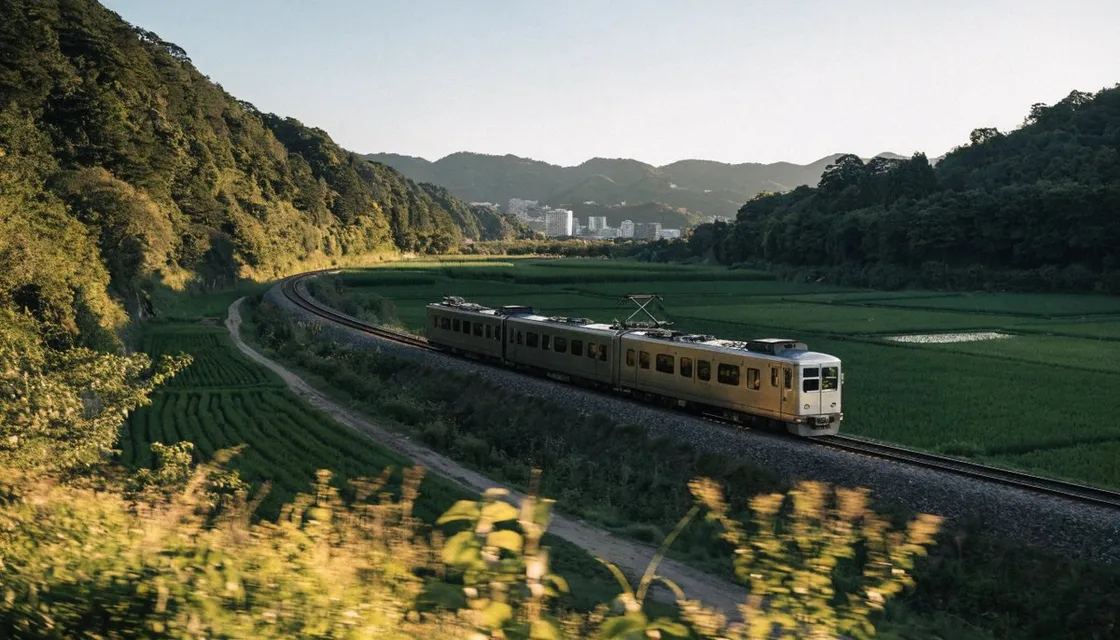
Most of what people want from a weekend away is covered by five trips: Hakone for hot springs, Kamakura for temples and the coast, Nikko for shrines and forest, Kawaguchiko for Mount Fuji, and Enoshima for sea air. Each one is a single train ride from a major Tokyo station, or close to it. The table shows the route and time we checked, so you can choose by how much effort you want to put in, not just by the view.
Quick comparison
| Destination | Train from | Travel time | Known for |
|---|---|---|---|
| Hakone | Shinjuku, Odakyu Romancecar | about 80 to 90 min | Onsen ryokan, lake, Mount Fuji views |
| Kamakura | Tokyo, JR Yokosuka line | about 1 hr | Great Buddha, temples, beaches |
| Nikko | Asakusa, Tobu SPACIA X | about 1 hr 50 min | UNESCO shrines, waterfalls, autumn leaves |
| Kawaguchiko | Shinjuku, JR limited express Fuji Excursion | about 2 hr | Mount Fuji reflected in the lake |
| Enoshima / Shonan | Shinjuku, Odakyu line | about 1 hr 5 min | Island shrine, coastal cafés |
Times are from operator pages and route searches in October 2026. Trains vary through the day, so check the one you plan to take.
Hakone: hot springs and Mount Fuji
The Odakyu Romancecar runs from Shinjuku to Hakone-Yumoto in about 80 to 90 minutes, depending on the train. According to Odakyu, you pay the regular fare plus a ¥1,200 limited express ticket. Skip the Romancecar and ordinary Odakyu trains will get you there in under two hours with a couple of changes, for less.
Hakone is known for onsen ryokan, open-air art museums, a lake and, on clear days, Mount Fuji. It’s best with a night at a ryokan. Head up after work on Friday, have a long soak, and come back Saturday afternoon. The Hakone guide covers the loop and when a day trip is enough.
Kamakura: coast and temples
The JR Yokosuka line runs from Tokyo Station to Kamakura without a change in about an hour. Kamakura is a beach town with a lot of history behind it: the Great Buddha, dozens of temples, and hiking trails.
It’s an easy day trip, or a relaxed overnight if you want to slow down. Like everywhere on this list, it’s quieter on a weekday. More in the Kamakura day trip guide.
Nikko: shrines and nature
Tobu’s SPACIA X limited express runs from Asakusa to Tobu-Nikko in about 1 hour 50 minutes, four round trips a day, all seats reserved. Nikko’s UNESCO World Heritage shrines are tucked into cedar forests, with waterfalls and mountains all around.
There and back in one day makes for a long day, so staying overnight is more comfortable. That goes double in autumn, when the leaves bring the crowds. More in the Nikko day trip guide.
Kawaguchiko: Mount Fuji up close
The Fuji Excursion limited express runs from Shinjuku straight to Kawaguchiko; one weekday train in October 2026 took just under two hours. Ordinary trains take about 2 hours 40 minutes with changes at Takao and Otsuki.
Around Lake Kawaguchiko, in the Fuji Five Lakes area, you get the classic view of the mountain over the water, plus lakeside cafés and easy trailheads. Whether you see Fuji at all comes down to the weather. That’s the main reason to stay a night: you get another shot the next morning. More in the Fuji Five Lakes guide.
Enoshima and the Shonan coast
Odakyu trains run from Shinjuku to Katase-Enoshima in about 1 hour 5 minutes, for ¥650 one way on the route we checked. Enoshima is a small island connected to the mainland by a bridge, with a shrine, caves, and sea views.
Add a walk along the Shonan coast and it’s the easy choice when you want sea air without a long trip or a big fare. More in the Enoshima day trip guide.
Planning tips
Pack light, and book onsen ryokan early, especially for weekends and holidays. If your schedule lets you go midweek, you’ll get fewer crowds and lower prices. The Romancecar to Hakone is all reserved seats, with tickets on sale one month ahead, and the Fuji Excursion to Kawaguchiko has no unreserved cars, so book weekend trains early.
If Mount Fuji is the whole point, pick your timing. The mountain tends to be clearer in the colder months than in summer, and early in the morning than at midday. Even so, clouds can hide it on any day.
Working half the day and exploring in the afternoon is doable, as long as you work from your room or before you set out. Having a phone signal doesn’t mean you have a desk, and cafés in busy sightseeing spots aren’t somewhere you can count on opening a laptop at peak times.
FAQ
What is the best weekend trip from Tokyo?
Hakone is the most popular, thanks to its hot springs and Mount Fuji views. For a quick day of coast and temples, go to Kamakura.
How far is Mount Fuji from Tokyo?
The Kawaguchiko area, with the classic Fuji views, is about two hours from central Tokyo by train or bus.
Can I do a day trip from Tokyo, or do I need to stay overnight?
Kamakura and Enoshima are easy day trips. Hakone, Nikko, and Kawaguchiko are more fun if you stay the night.