Shibamata Half-Day Trip: Taishakuten, Dango and Edo River
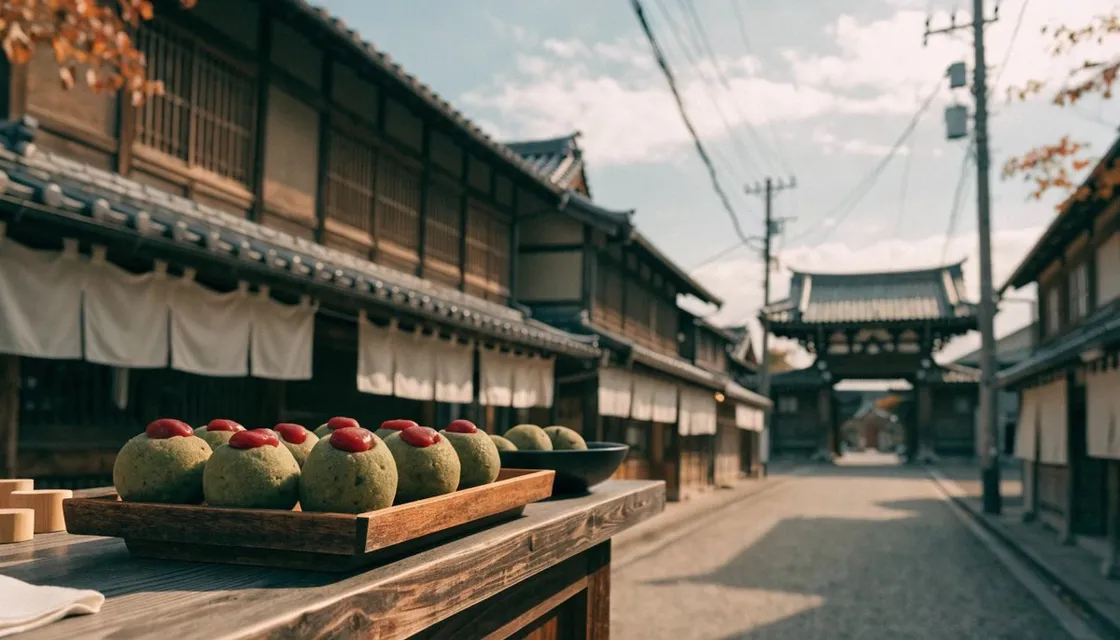
Shibamata is the best half-day escape in Tokyo that most visitors never hear about.
It sits in Katsushika ward, on the far eastern edge of the city, right where Tokyo meets Chiba across the Edo River. It is still inside Tokyo, and still on a city train line.
But step out of the station and the pace changes. Low wooden shopfronts, the smell of grilled rice crackers, a temple at the end of the street, and a wide, open riverbank just beyond it.
For remote workers, that makes it ideal for a slow afternoon after a morning of calls. Or a weekday reset when the city starts to feel like too much.
Some places you visit to see something. Shibamata you visit to remember what slow feels like.
Why Shibamata is worth the trip
Shibamata packs a lot into a small, walkable area.
There is a temple approach lined with old sweet shops, a temple known for its detailed wood carvings, a traditional house and garden, and a river crossing by a small rowed boat.
In 2018 the area was designated an Important Cultural Landscape by the national government, the first in Tokyo to receive that status. The townscape is protected for a reason.
It is also famous in Japan as the hometown of Tora-san, the wandering hero of the long-running film series Otoko wa Tsurai yo. You do not need to know the films to enjoy the town, but it explains the statue waiting for you at the station.
Getting there
Shibamata Station is on the Keisei Kanamachi line, a short line with only a few stations.
The two most common routes:
From the Asakusa or Oshiage side, take a Keisei line train to Keisei Takasago, then change to the Kanamachi line for one stop to Shibamata.
From Ueno or Kita-Senju, take the JR Joban line (local) to Kanamachi, walk a few minutes to Keisei Kanamachi Station, and ride one stop to Shibamata.
Depending on where you start, expect roughly 30 to 50 minutes. Check a route app for current times and fares.
If you are staying near Oshiage and Skytree or Kita-Senju, Shibamata is especially easy to reach.
Taishakuten Sando: the dango street
From the station, the Tora-san statue points you toward Taishakuten Sando, the approach to the temple.
It is only a couple of hundred meters long, but it is dense with old shops. Many sell kusa dango, chewy rice dumplings made with mugwort and often served with sweet red bean paste. It is the signature snack of Shibamata.
You will also find senbei rice crackers grilled in shop windows, pickles, eel restaurants, and small souvenir shops.
The street feels like a classic shotengai, just older and slower. If you enjoy this kind of street, our shotengai guide shows where to find others across Tokyo.
Arrive before lunch on a weekday and the street is calm. Weekends and holidays get noticeably busier.
Shibamata Taishakuten
At the end of the approach is Shibamata Taishakuten, a Nichiren Buddhist temple formally known as Daikyoji, with roots going back to the 1600s.
The temple grounds are free to enter. The highlight for many visitors is the main hall’s elaborate wood carvings, panels depicting Buddhist stories in remarkable detail.
Viewing the carving gallery and the adjoining garden usually requires a separate admission fee. Check current hours and prices at the entrance.
Even if you skip the paid section, the main gate and the hall are worth a slow look. Watch the details in the eaves.
Yamamoto-tei
A few minutes’ walk from the temple is Yamamoto-tei, a house built in the Taisho and early Showa era that blends Japanese and Western styles.
Its traditional Japanese garden has received high marks from international garden rankings over the years. You can sit on the tatami, look out at the garden, and order matcha and a sweet for a small fee.
It is one of the quietest places to pause in east Tokyo. A good spot to let your brain switch off after a busy week.
The Yagiri ferry and the Edo River
Beyond the temple and Yamamoto-tei, the town opens onto the banks of the Edo River.
The riverbank is wide, grassy and quiet. You can walk, sit, or just enjoy the open sky, something rare in central Tokyo.
Here you will find the Yagiri no Watashi, a small hand-rowed ferry that has crossed the river for centuries and links Tokyo with Matsudo in Chiba. It is one of the last ferries of its kind in the Tokyo area.
The ferry’s schedule depends on the season and the weather, and it may run only on certain days. Check before you go if crossing is a priority. Fares are typically modest and paid in cash.
Tora-san Museum
Near the riverbank is the Katsushika Shibamata Tora-san Museum, dedicated to the film series. It has film sets, props and displays about the history of the town.
It is more for fans, but it gives useful context on why Shibamata became such a nostalgic symbol in Japan. Admission is charged; check current hours.
Working around a Shibamata trip
Shibamata is not a working destination. There is no real coworking scene, and the old shops are not set up for laptops.
Instead, treat it as a reward. Finish your morning work, ride out after lunch, and you can see the highlights in two to four hours.
If you need to take a call along the way, larger stations such as Kanamachi and Takasago have chain cafés and convenience stores.
A simple plan:
- Late morning: finish your work and head east.
- Early afternoon: walk the sando, eat dango, visit Taishakuten.
- Mid afternoon: Yamamoto-tei for tea, then the riverbank.
- Late afternoon: head back before the evening rush.
Tips for a smooth visit
Carry some cash. Many of the old shops and the ferry may not take cards.
Go on a weekday if you can. The town feels completely different without the weekend crowds.
Wear comfortable shoes. The whole area is walkable, but the riverbank paths add up.
Check hours before you go. Some shops and facilities close earlier than central Tokyo, and some close on certain weekdays.
FAQ
Is Shibamata worth visiting for a half day? Yes. The main sights are close together, so two to four hours is enough to see the sando, Taishakuten, Yamamoto-tei and the riverbank at a relaxed pace.
How do I get to Shibamata from central Tokyo? Take the Keisei line to Keisei Takasago and change to the Kanamachi line, or take the JR Joban line to Kanamachi and ride the Keisei Kanamachi line one stop. Check a route app for current times.
Does the Yagiri ferry run every day? Not always. The schedule varies by season and weather, so check current information before planning around it.