Asagaya Guide: Jazz, Arcades and Calm for Remote Workers
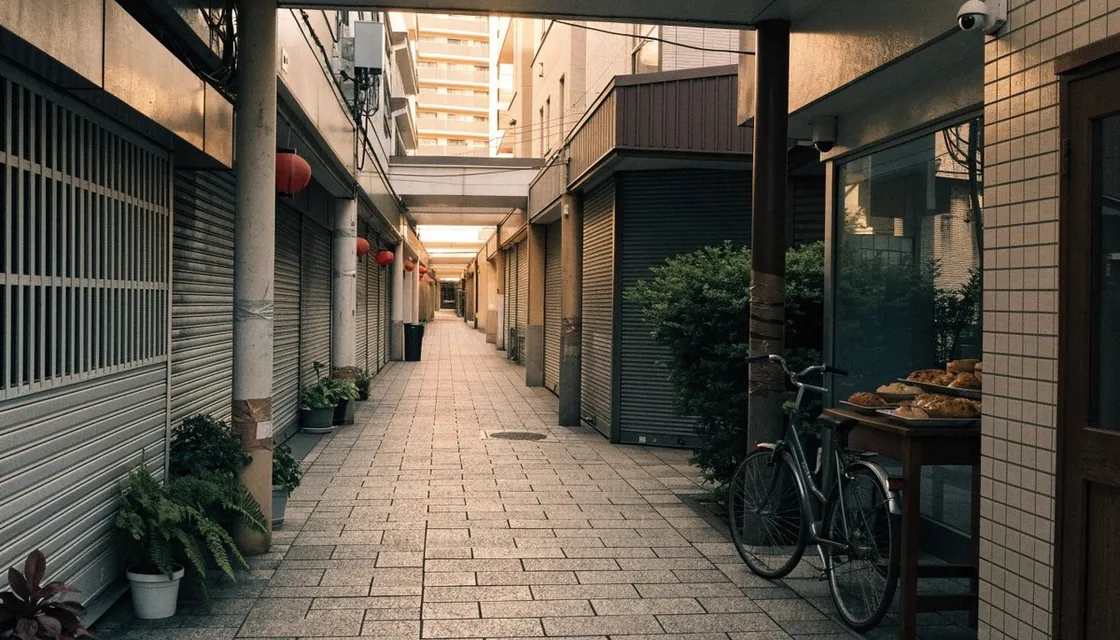
Asagaya is the quiet middle child of the Chuo line, and that is exactly why it works as a base.
It sits between Koenji and Ogikubo, about ten minutes from Shinjuku by train. It has a long covered shopping arcade, a surprising number of small jazz bars, and residential streets lined with big old trees.
For remote workers, Asagaya offers a rare balance. You get real neighborhood life and easy access to central Tokyo, without the crowds of the bigger stations.
Some neighborhoods impress you on the first day. Asagaya is the kind that still feels good in the second month.
Who Asagaya suits
Asagaya suits nomads who want to settle in rather than sightsee.
It is a good fit if you like walking to buy groceries, working from cafés with regulars, and ending the day with live music in a small room.
It is calmer than Koenji, which is one stop east and louder, younger and more vintage-shop focused. It is a little more everyday than Nishi-Ogikubo, one stop west, with its antique shops and indie cafés.
If you want nightlife on your doorstep every night, Asagaya may feel too gentle. That gentleness is the point for many people.
Getting around
Asagaya Station is on the JR Chuo-Sobu line and the JR Chuo line (Rapid).
On weekdays, rapid trains stop here and reach Shinjuku in roughly ten minutes. On weekends and public holidays, Chuo rapid trains generally skip Asagaya, so you ride the yellow Chuo-Sobu local trains instead. It adds a few minutes, nothing more.
About a ten-minute walk south, Minami-Asagaya Station on the Tokyo Metro Marunouchi line gives you a second route into Shinjuku, Tokyo Station and Ginza without changing trains.
Having two lines within walking distance is a quiet advantage when one of them is delayed. Check a route app for exact times.
Pearl Center: the arcade that runs your errands
The heart of daily life is Asagaya Pearl Center, a long covered shopping street that starts at the south exit of the station.
It runs for several hundred meters toward Minami-Asagaya. Along the way you will find greengrocers, bakeries, tea shops, inexpensive set-meal restaurants, drugstores and small everyday shops.
Because it is covered, it works on rainy days too. You can buy dinner ingredients, pick up a bento and grab a coffee without opening an umbrella.
Pearl Center is a good example of the shotengai culture that makes Tokyo livable. Our guide to Tokyo shotengai explains how to make the most of streets like this.
Every summer, usually in early August, the arcade hosts the Asagaya Tanabata Festival. It is known for large handmade paper decorations hanging from the roof, and it draws big crowds. Check dates in advance if you plan to work nearby that week.
Jazz town
Asagaya has a strong jazz identity for a neighborhood its size.
Small jazz bars and live houses are scattered around the station, many of them in basements or upper floors. Some are classic listening spots, others host live sets most nights.
The neighborhood also holds Asagaya Jazz Streets, a festival usually held in autumn, when venues, churches and shopping streets fill with performances. Dates and programs change each year, so check the official information before planning around it.
If you enjoy music with your coffee, our guide to kissaten and jazz kissa covers the etiquette of these listening rooms.
Eating and drinking
North of the station, narrow lanes packed with small izakaya and bars come alive in the evening. Counters are tight, prices are usually reasonable, and many places are run by one or two people.
South of the station, Pearl Center offers simpler options: set meals, ramen, curry, sushi and bakeries.
Asagaya is not a gourmet destination in the way Ebisu or Ginza are. It is a place where you can eat well every day without spending much.
Working from Asagaya
Asagaya does not have a big coworking scene, but it is comfortable for remote days.
You will find chain cafés near the station, independent cafés tucked into side streets, and family restaurants a short walk away. Local options open and close, so check current listings before relying on a specific spot.
For heads-down work, Suginami ward libraries are worth a look. Rules for laptop use vary by branch, so check before you settle in.
When you need a proper coworking space or meeting room, Shinjuku and Nakano are each a few stops away. Our coworking guide is a good starting point.
Green streets and a slower pace
One of Asagaya’s best features is simply walking.
North of the station, Nakasugi-dori is lined with large zelkova trees that make the street feel calm, especially in autumn as the leaves turn.
Asagaya Shinmeigu, a shrine a short walk from the station, is a peaceful stop between calls.
The area also has a literary history. In the early twentieth century, a number of well-known Japanese writers lived and gathered in and around Asagaya. Today that history is mostly felt in the unhurried mood rather than in landmarks.
Daily life and costs
Daily life here is easy.
Supermarkets, drugstores, 100-yen shops and coin laundries are all close to the station. Pearl Center covers most small errands.
Rent and monthly apartment prices in Asagaya are often more moderate than in Shinjuku or Shibuya, though they depend heavily on the building and the season. Compare current listings yourself.
Nights are generally quiet once you are a few blocks from the station.
FAQ
Is Asagaya a good base for a month in Tokyo? For many remote workers, yes. It has two train lines within walking distance, fast weekday access to Shinjuku, an all-weather shopping arcade and a calm residential feel.
How is Asagaya different from Koenji? Koenji is louder and more focused on vintage shopping and late nights. Asagaya is quieter and more everyday, with a jazz streak and leafy streets.
Do rapid trains stop at Asagaya on weekends? Generally no. On weekends and holidays, Chuo rapid trains usually pass through, so take the Chuo-Sobu local train. Check a route app for the current pattern.