Takadanobaba Guide: Student Town Base for Remote Workers
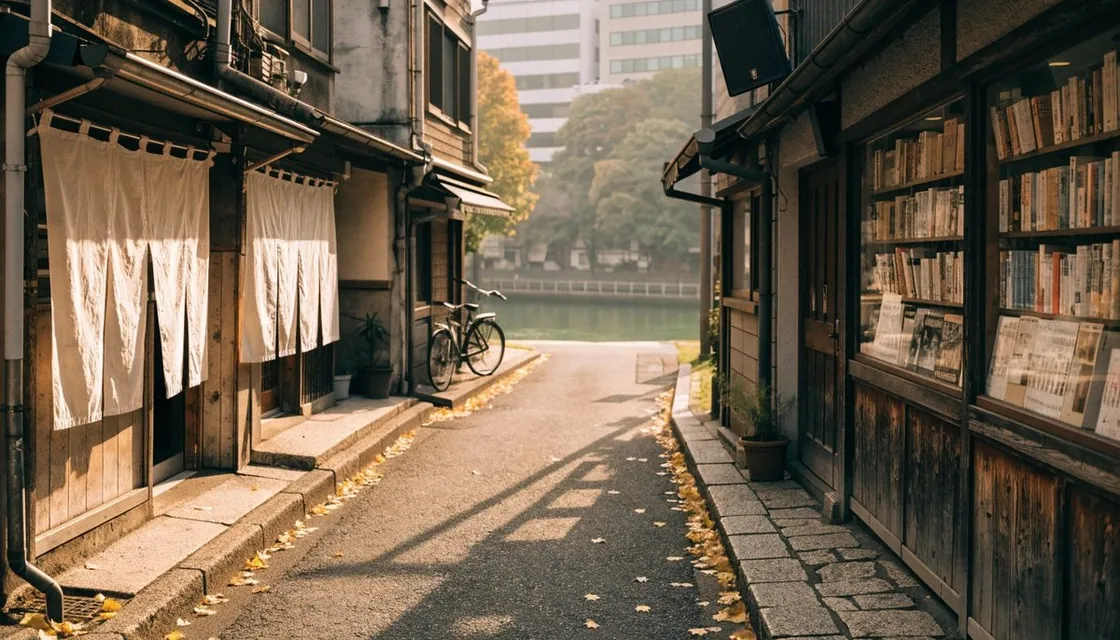
Takadanobaba is a student town that happens to be one of the most practical bases in Tokyo.
It sits two stops north of Shinjuku on the Yamanote line, with three train lines at one station. The streets are full of cheap food, language schools, and people who are clearly not in a hurry to look fashionable.
For a remote worker, that combination is hard to beat. You get central access, honest prices, and a neighborhood that is used to newcomers.
Takadanobaba is not polished. It is useful, and it is friendly to people who are still figuring Tokyo out.
Who Takadanobaba suits
Takadanobaba suits nomads who care more about value and convenience than about a pretty address.
It is a good fit if you are studying Japanese, eating on a budget, or want Shinjuku within a few minutes without living inside its noise.
It is also a comfortable landing spot for a first month in Tokyo. Many residents are students and newcomers themselves, so asking for help or fumbling with a ticket machine feels normal here.
If you want quiet design cafés and tree-lined boulevards, look at Kagurazaka or Kiyosumi-Shirakawa instead. Takadanobaba is busier and a little scruffier, in a cheerful way.
Getting around
Takadanobaba Station is one of the better-connected stations outside the big hubs.
The JR Yamanote line puts Shinjuku two stops south, via Shin-Okubo, and Ikebukuro two stops north. Both are only a few minutes away.
The Tokyo Metro Tozai line runs east through Waseda and Iidabashi to Otemachi and Nihonbashi, which is handy for meetings in the business districts. Going west, it reaches Nakano in a few stops.
The Seibu Shinjuku line also stops here, heading out toward quieter residential suburbs in the west.
One small charm: the JR departure melody here is the theme from Astro Boy, a nod to the area’s link with Osamu Tezuka’s studio. It is a nice reminder of where you are on a tired morning.
Check a route app for exact times, since they vary by service.
The food: ramen and Little Yangon
Food is the main reason people fall for Takadanobaba.
The area has long been known as one of Tokyo’s competitive ramen districts. Around the station and along Waseda-dori, small shops serve everything from rich tonkotsu to lighter soy-based bowls, often at student-friendly prices.
The other big draw is Burmese food. Takadanobaba has one of the largest Myanmar communities in Japan, and it is sometimes nicknamed “Little Yangon.”
Several Burmese restaurants and grocery shops are tucked into upper floors of buildings near the station. Mohinga, tea leaf salad, and noodle dishes are well worth trying if they are new to you.
Set-meal restaurants, cheap curry, and late-opening izakaya fill in the rest. Our Tokyo food guide covers how to eat well here without overspending.
Learning Japanese here
Takadanobaba is one of the easiest places in Tokyo to study Japanese.
Waseda University is a short walk away, and the neighborhood has a dense cluster of Japanese language schools. Many students live nearby, so cafés and libraries feel set up for long study sessions.
If you are planning lessons during your stay, basing yourself here can save a lot of commuting. Our guide to learning Japanese in Tokyo explains the main options, from full-time schools to casual conversation classes.
Working from Takadanobaba
Takadanobaba is not a famous coworking district, but it works well for remote days.
Around the station you will find chain cafés, family restaurants, and some coworking spaces and paid work booths. Local options change, so check current listings before relying on one.
Because so many students study here, cafés can fill up in the afternoons and around exam periods. Weekday mornings are usually the easiest time to find a seat.
For bigger coworking choices, Shinjuku and Ikebukuro are each a few minutes away. Our coworking guide is a good starting point.
Breathing room: the Kanda River and old parks
Takadanobaba feels crowded around the station, but green space is close.
The Kanda River runs just east of the station. In spring, the stretch toward Omokagebashi is lined with cherry blossoms, and it makes a pleasant walking route at any time of year.
Toyama Park, to the southeast, is a large open park and home to Hakone-yama, a small artificial hill often described as the highest point inside the Yamanote loop. It is a modest climb, but a nice break between calls.
To the west, Otomeyama Park in Shimo-Ochiai is a quiet wooded hollow that feels far from the station crowds.
The Toden Arakawa line (the Tokyo Sakura Tram) starts at nearby Waseda, if you fancy a slow ride north through old residential Tokyo.
Daily life
Daily life here is easy and affordable.
Supermarkets, drugstores, 100-yen shops, and discount stores are all within a short walk of the station. Prices tend to reflect the student population.
Rent and monthly apartment prices are often more moderate than in Shinjuku or Shibuya, though it depends on the building and the season. Compare current listings yourself.
The area stays lively late on weekends, especially near the station. A few blocks away, residential streets quiet down quickly.
Shin-Okubo, Tokyo’s Koreatown, is one stop south and makes an easy evening out.
FAQ
Is Takadanobaba a good base for a month in Tokyo? For many remote workers, yes. It offers three train lines, fast access to Shinjuku and Ikebukuro, cheap food, and generally moderate prices.
Is Takadanobaba noisy? The area right around the station can be busy, especially at night on weekends. Side streets a few minutes away are much calmer, so choose your apartment location with that in mind.
What should I eat first in Takadanobaba? Try a bowl at one of the local ramen shops, then a Burmese meal such as mohinga or tea leaf salad. Together they show what makes the neighborhood special.