Shin-Okubo Guide: Tokyo's Koreatown for Remote Workers
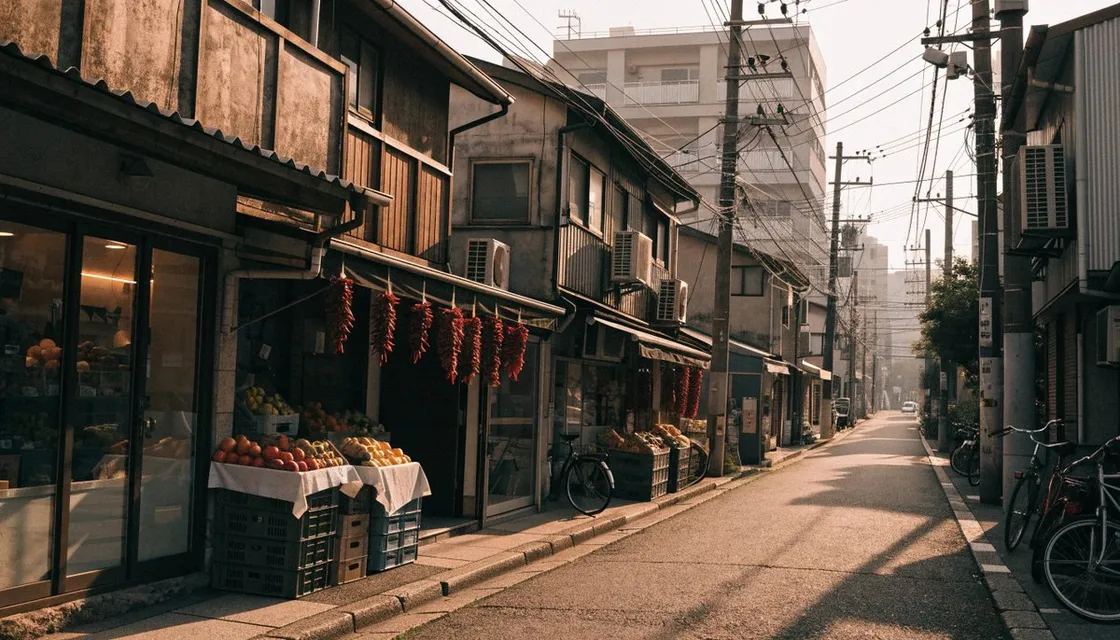
Shin-Okubo is best known as Tokyo’s Koreatown. For remote workers, it is also one of the most international, practical, and well-connected places to live in the city.
It sits in Shinjuku ward, one stop north of Shinjuku on the Yamanote line. On weekends the main street fills with visitors hunting for Korean snacks and cosmetics.
On a weekday morning, though, it is a working neighborhood. People commute, language students head to class, and grocers restock shelves with food from half of Asia.
A neighborhood built by people who arrived from somewhere else tends to be good at welcoming the next arrivals.
Who Shin-Okubo suits
It suits nomads who want to be close to Shinjuku without living inside it.
It also suits people who cook, people with dietary needs, and anyone who enjoys hearing several languages on the walk to the station.
It is less suited to people who need quiet streets and green space right outside the door. The area is dense and lively, and the busiest blocks can feel crowded on weekends.
Getting around
Shin-Okubo station is on the JR Yamanote line. Shinjuku is one stop south, and Takadanobaba is one stop north.
Okubo station on the JR Chuo-Sobu local line is a short walk away. It gives you a second, often calmer route east toward Iidabashi and Akihabara.
Higashi-Shinjuku station, on the Toei Oedo and Tokyo Metro Fukutoshin lines, is also within walking distance from the eastern side of the neighborhood.
That means three stations and four lines without a transfer. Many nomads also find they simply walk to Shinjuku, which takes roughly 15 to 20 minutes depending on where you start.
Working from Shin-Okubo
Shin-Okubo is not a coworking hub in itself. Most of the dedicated workspaces are a short ride away in Shinjuku or around Takadanobaba.
Around the station you will find chain cafes and plenty of Korean cafes. The Korean ones are often stylish and photogenic, but they can be busy and are usually better for a short session than a full workday.
For a quieter option, Shinjuku City’s Okubo Library is in the neighborhood. Public libraries in Tokyo vary in how they treat laptop use, so it is worth checking the house rules at the desk before settling in.
If you need a reliable desk every day, a practical pattern is to live in Shin-Okubo and keep a coworking membership in Shinjuku. Our Shinjuku guide covers what is on that side of the tracks.
Eating and shopping
Food is the real reason many people fall for Shin-Okubo.
Korean restaurants are everywhere, from barbecue and stews to fried chicken and street snacks. Many open late, which helps if your calls run on another time zone.
Near Okubo station, a small cluster of shops known as Islam Yokocho sells halal meat, spices, and South Asian groceries. Nepali, Vietnamese, and other cuisines are scattered across the area too.
For anyone avoiding pork, eating halal, or simply missing ingredients from home, this is one of the easiest shopping trips in Tokyo. Our dietary restrictions guide has more on eating well with specific needs.
Korean grocery shops also stock kimchi, gochujang, frozen dumplings, and bulk rice, which makes cooking at home cheaper and more varied.
The best part of Shin-Okubo is not one restaurant. It is that dinner can be a different country every night of the week.
Living there
Housing ranges from older apartment buildings to newer one-room units and share houses. Because the area has a large student and international population, many landlords and agents are used to foreign tenants.
Rents tend to be lower than in Shinjuku itself, though not as low as in neighborhoods further out. Prices change quickly, so compare current listings rather than relying on old averages.
Everyday errands are easy. You will find supermarkets, pharmacies, phone shops, and money transfer services within a few minutes’ walk.
When to go and when to avoid
Weekday mornings are calm and pleasant.
Weekend afternoons on the main Korean shopping streets are a different story. The narrow sidewalks fill up, and Shin-Okubo station itself can get crowded.
If you live there, the trick is to treat the busiest blocks like a festival you can drop into, and to use the side streets and Okubo station on the days you just want to get home.
FAQ
Is Shin-Okubo safe for nomads to live in?
It is a busy, mixed neighborhood, and as with most of central Tokyo, everyday life feels safe for most residents. Normal city awareness late at night is enough.
Is Shin-Okubo a good base for working in Shinjuku?
Yes. Shinjuku is one stop away on the Yamanote line or a short walk, so commuting to a coworking space there is easy.
Can you find halal food in Shin-Okubo?
Yes. The Islam Yokocho area near Okubo station has halal butchers and grocers, and several restaurants in the neighborhood cater to halal diets. Check each place directly if you need certification.