Ryogoku Guide for Remote Workers in Tokyo
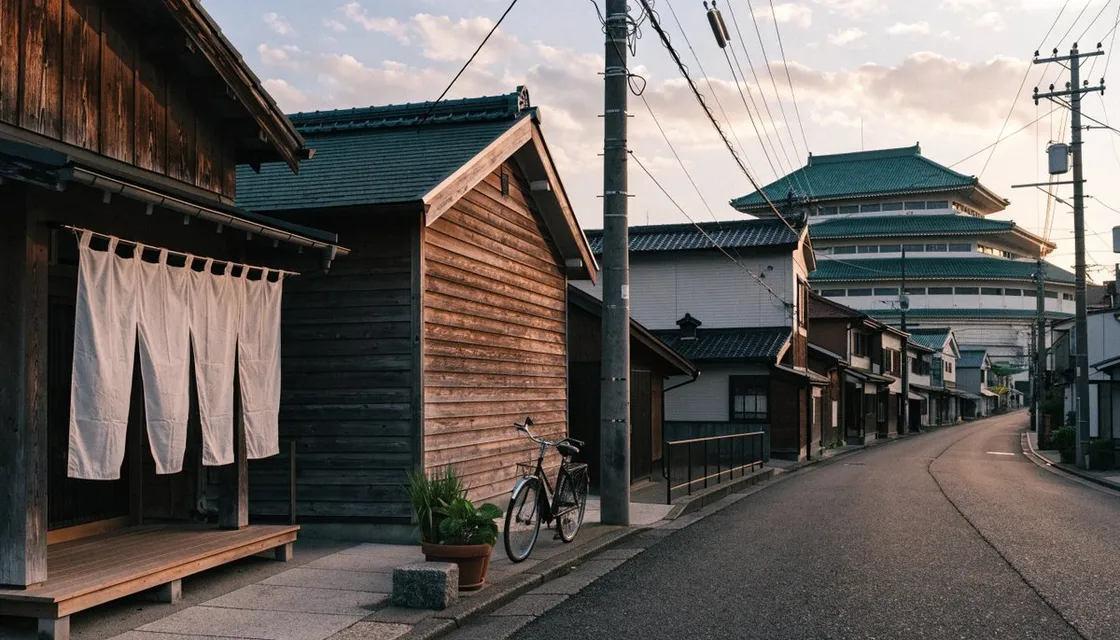
Ryogoku is the sumo neighborhood, and it is also a surprisingly calm, practical place to live and work.
It sits in Sumida ward, on the east bank of the Sumida River. The national sumo arena is here, wrestlers still walk the streets in cotton robes, and the side streets are full of small restaurants serving chanko nabe.
Most visitors come for one afternoon. Stay longer and another side shows: it is quiet, central, and just one river away from the busy city.
Some neighborhoods are famous for one thing. The good ones are also easy to live in on an ordinary Tuesday.
Who Ryogoku suits
It suits nomads staying a few weeks or longer who want a calm home base with short train rides into central Tokyo.
If your days look like focused work in the morning, a meeting in Akihabara or Shinjuku in the afternoon, and a slow walk by the river in the evening, Ryogoku fits that rhythm well.
It is less suited to people who want nightlife on the doorstep or a big international community nearby. Evenings here are more neighborhood dinner than late-night bar crawl.
Getting around
Ryogoku has two stations a few minutes apart, and between them they cover a lot of the city.
The JR Sobu line runs west across the river. Akihabara is only a couple of stops away, and the same local line continues through Ochanomizu and Iidabashi toward Shinjuku.
The Toei Oedo line curves around central Tokyo. From Ryogoku it reaches Monzen-Nakacho, Tsukishima, and Shiodome in one direction, and Ueno-okachimachi and Iidabashi in the other.
Kuramae is one stop away on the Oedo line, and both Kuramae and Asakusa are within walking distance along the river. Our Kuramae guide covers that neighbor in detail.
Working from Ryogoku
The area is not a coworking hub. You will find chain cafes and family restaurants near the stations, plus small independent cafes scattered through the side streets.
They are fine for a couple of hours of email. For long focused days or video calls, a practical setup is to keep a coworking pass in a nearby business district and treat Ryogoku as home.
Akihabara and Monzen-Nakacho are a direct ride away, Nihonbashi is one transfer, and all three have more desk options. Check current day-pass prices before you commit, since they change often.
The quiet is the real advantage. Residential streets just a few blocks from the station feel very still on weekday mornings, which makes a home desk easier to focus at.
Sumo, all year round
The Ryogoku Kokugikan hosts three of the six annual Grand Sumo tournaments, usually in January, May, and September. During those weeks the neighborhood is busier and colorful banners line the street outside.
Outside tournament season, sumo is still part of daily life. Several sumo stables are based in the area, and you may pass wrestlers on their way to the shops or the station.
Some stables allow visitors to watch morning practice, but the rules vary and many require advance arrangements. If you are interested, look for an official or guided option rather than turning up at a door.
Eating well
Ryogoku is known for chanko nabe, the hearty hot pot associated with sumo wrestlers. Many restaurants around the station serve it, and it is a good choice on a cold evening, especially with a group.
The old station building next to the JR station has been turned into a food hall with a sumo theme, which is an easy place to try several dishes in one visit.
For everyday meals, there are set-meal restaurants, soba shops, and supermarkets within walking distance of both stations. Small places may be cash only, so it helps to carry some yen.
Museums and gardens
The Edo-Tokyo Museum, right next to the JR station, reopened in 2026 after a long renovation. It tells the story of the city from the Edo period onward and is an easy rainy-day plan.
The Sumida Hokusai Museum, near the Oedo line station, focuses on the woodblock artist who was born in this area. Both are good places to spend a slow afternoon.
For a weekday museum plan elsewhere, see our museum guide.
Kyu-Yasuda Garden, a small traditional garden by the river, is a nice place for a short break between calls. The Sumida riverside paths are good for walking or a gentle run after work.
Bathhouses and slow evenings
Like much of east Tokyo, Ryogoku has neighborhood bathhouses and saunas that locals use as part of their routine. A hot bath after a long screen day is one of the easiest ways to reset.
If you have not tried one yet, our sento and sauna guide explains how they work.
Is it worth it?
Ryogoku will not be the loudest place you stay in Tokyo. That is exactly the point.
You get quiet streets, an unusual piece of living culture, good food, and quick trains to the busy parts of the city. For remote workers who like to work in calm and step out into the action when they choose, it is one of the easiest east-side bases to recommend.
FAQ
Is Ryogoku a good area for digital nomads to stay? Yes, if you want a calm, central base with direct trains to Akihabara and Shinjuku, plus the Oedo line on your doorstep. It has fewer coworking spaces and less nightlife than west-side districts.
When are the sumo tournaments in Ryogoku? Ryogoku Kokugikan usually hosts tournaments in January, May, and September. Check the official schedule and ticket sales well in advance, as popular days sell out.
What should you eat in Ryogoku? Chanko nabe, the sumo-style hot pot, is the local specialty. Many restaurants near the station serve it, and the food hall in the old station building is an easy place to start.