Kuramae for Remote Workers: Tokyo's Quiet Craft Neighborhood
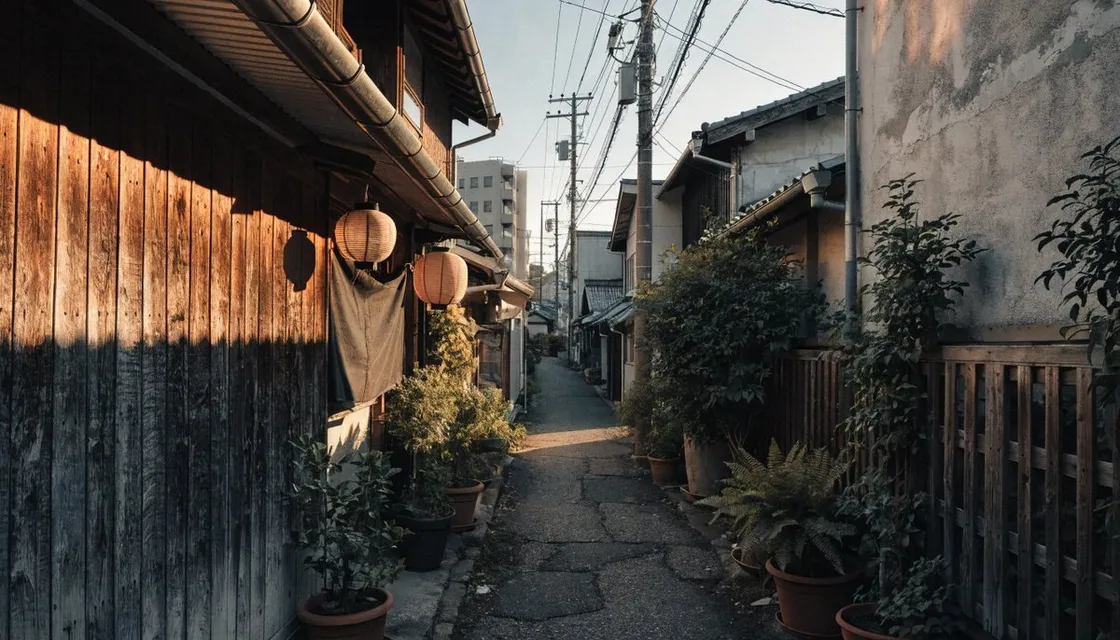
If you want a Tokyo base that feels like a working village rather than a transit hub, Kuramae is worth a serious look. It sits on the west bank of the Sumida River in Taito ward, a short hop from Asakusa and within easy reach of central Tokyo, yet it moves at a noticeably slower pace than the neighborhoods most visitors default to.
Nomads who stay here tend to describe the same thing: mornings are quiet, coffee is close, and the day has room in it.
The area is often tagged as “Tokyo’s Brooklyn,” which is a lazy shorthand but points at something real. Kuramae was historically a district of wholesalers, toy makers, and small manufacturers, and a lot of that maker energy survived the shift into cafes and design studios.
What you get today is a walkable grid of low buildings where a leather workshop, a specialty roaster, and a stationery maker can share the same block.
A good nomad neighborhood is not the one with the most to do. It is the one that lets you do your own work and still feel like you live somewhere.
Why it suits a working rhythm
The first thing you notice is scale. Kuramae is low-rise and human-sized, so a walk to get coffee does not turn into a subway decision.
That matters more than it sounds when your day is built around focused blocks and short breaks. You can step out, reset, and be back at your desk in fifteen minutes without the sensory overload that busier districts pile on.
The second thing is the river. The Sumida riverside path is right there, and a slow walk along the water is one of the better ways to clear your head between calls.
Runners use it early, and it stays usable through most of the year. Having a genuine outdoor reset within a few minutes of your accommodation is an underrated productivity feature.
The third thing is that Kuramae is quiet without being isolated. You are one or two train stops from Asakusa’s crowds and a straightforward ride to Akihabara, Ueno, and the wider Toei and Oedo line network.
So you get calm as your default and stimulation on demand, which is close to the ideal setup for a remote worker who does not want to commute through chaos every morning.
Cafes and working spots
Kuramae has become a small pilgrimage site for coffee people, and that works in a nomad’s favor. Several specialty roasters and cafes anchor the neighborhood, and many of them are built for lingering rather than turnover.
As always in Tokyo, the etiquette is to read the room: some cafes quietly welcome a laptop and a long stay, others are tiny counters where you drink, appreciate, and move on. When in doubt, keep the first visit short and watch how the regulars behave.
Because the neighborhood grew out of making things, you also find a category of place that blurs cafe, shop, and studio. A roaster with a few seats.
A tea stand that doubles as a design object. These are lovely for a change of scene, but they are usually not built for a four-hour work session, so treat them as reward stops rather than offices.
For longer focused work, pair a Kuramae morning with a nearby coworking option or a library day, and use the local cafes for the shorter, lighter parts of your schedule. The neighborhood rewards a hybrid pattern more than it rewards trying to run your whole workday from a single small counter.
Staying in Kuramae
Kuramae has quietly built a reputation as a place to stay, not just visit. There is a cluster of well-regarded small hotels and hostels here, several with cafe-lobby ground floors that are genuinely pleasant to sit and work in.
For a nomad, that lobby-as-workspace pattern is useful: it gives you a reliable default desk on the days you do not feel like scouting.
For longer stays, the area’s monthly apartments and share houses tend to be a touch calmer and sometimes a touch cheaper than equivalents in the west side of the city, though prices move and you should treat any figure you see as a starting point to verify rather than a promise. The trade-off is that Kuramae is not a nightlife district, so if late-night options are central to your idea of a good base, you will be commuting for them.
Getting around and getting fed
Kuramae is served by two stations of the same name on different lines, the Toei Asakusa line and the Toei Oedo line, and the two are a short walk apart rather than connected underground. It is worth knowing that quirk before you drag a suitcase between them.
From either, most of central Tokyo is a single ride or one easy transfer away.
For everyday eating, the neighborhood covers the essentials without drama: convenience stores for the basics, a scattering of small restaurants and bakeries, and Asakusa’s denser food streets a short walk or ride north when you want more choice. It is not a food-destination neighborhood in the way some districts are, but you will eat well and cheaply on a normal working week.
Who Kuramae is not for
Honesty helps here. If your idea of a great Tokyo base is being in the middle of everything, with late trains, dense nightlife, and a wall of options at every hour, Kuramae will feel underpowered.
It is deliberately low-key. The people who love it as a base are usually the ones who value a calm morning and a short walk to good coffee more than they value being at the center of the action.
If that description fits you, Kuramae is one of the more quietly liveable pockets of Tokyo for someone who works online. It gives you a neighborhood you can actually settle into, a river to walk beside, and enough of the city a few minutes away that you never feel cut off.
If you are still deciding where to base yourself, it is worth putting Kuramae next to the alternatives in the Tokyo neighborhood comparison, which lines up seven areas on cost, transport and workspace.
FAQ
Is Kuramae a good area for a first stay in Tokyo? It can be, if you value calm over central buzz. It is well-connected and easy to navigate, but it is quieter than areas like Shinjuku or Shibuya, so it suits people who want a relaxed base more than constant activity.
Can you work from cafes in Kuramae? Some cafes welcome laptop work and long stays, and several hostel lobbies are built for it, but many small counters are not. Read each place individually, keep short-stay etiquette in mind, and pair cafe mornings with a coworking space or library for heavy work.
How do you get to central Tokyo from Kuramae? The Toei Asakusa and Toei Oedo lines both stop at Kuramae, putting most of central Tokyo within a single ride or one transfer. Note that the two Kuramae stations are a short walk apart rather than directly connected.