Kitasenju Guide for Remote Workers in Tokyo
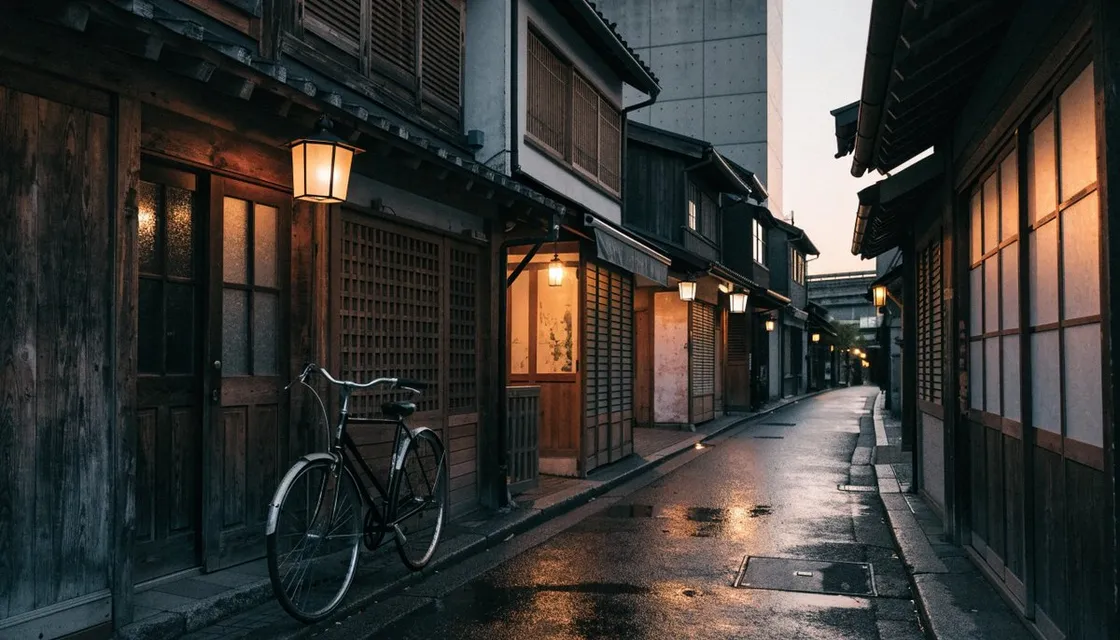
Kitasenju is one of the most practical bases in Tokyo that most visitors never consider.
It sits in Adachi ward, in the northeast of the city. Several train lines meet here, rents tend to be lower than in the west-side neighborhoods people usually picture, and the streets around the station are full of small bars and set-meal restaurants.
It is not pretty in a postcard way. It is useful in an everyday way, and for a remote worker that is often the better deal.
Choose a base for the trains it gives you, not for the photos it gives you.
Who Kitasenju suits
It suits nomads staying a month or longer who move around the city a lot and want to spend less on rent.
If you have meetings in Otemachi one day, a coworking day in Ginza the next, and a weekend trip to Nikko after that, Kitasenju makes all three easy.
It also suits people who like a lively evening without the prices of Shibuya or Ebisu. The area around the station is known for casual drinking, from standing bars to old-school izakaya.
If you want leafy streets, design cafes, and a big international crowd, Nakameguro or Kichijoji will feel more like home. Kitasenju is more local, more working-class, and more relaxed about it.
Getting around
This is the reason to live here.
Kita-Senju Station is served by the JR Joban line, the Tokyo Metro Hibiya and Chiyoda lines, the Tobu Skytree line, and the Tsukuba Express. It is one of the busiest stations in the Tokyo area.
In practice, that means:
The Hibiya line runs straight to Ueno, Akihabara, Ginza, and Roppongi.
The Chiyoda line runs to Otemachi, Omotesando, and Yoyogi-Uehara.
The JR Joban line reaches Ueno quickly, and some trains continue through Tokyo Station toward Shinagawa.
The Tsukuba Express gets you to Akihabara in a few stops, and the Tobu line heads toward Asakusa and, with limited express trains, out to Nikko.
Rush hour is crowded, as it is at any big hub. If you can set your own hours, starting a little later is worth it here.
Working from Kitasenju
The area around the station has chain cafes, family restaurants, and cafes inside the station buildings and nearby shopping malls. They are fine for a couple of hours of email.
For longer focused days, there are coworking and rentable work booths near the station, though fewer than in central business districts. Check current options and day-pass prices before you commit.
The bigger advantage is that Ginza, Otemachi, Ueno, and much of central Tokyo are a direct train away. A practical setup is to keep a coworking membership in one of them and treat Kitasenju as home.
Our Ueno guide covers one of the easiest options on the same lines.
Several universities have campuses near the station, so weekday cafes can get busy with students. Plan video calls for home or a booth.
The old post town
Kitasenju was the first post town on the Nikko Kaido, one of the main roads out of Edo. The poet Matsuo Basho is said to have set out from Senju on the journey he wrote up as “Oku no Hosomichi.”
You can still feel that history on Shukuba-machi Dori, the old highway a few minutes’ walk west of the station’s west exit, which runs north toward the Arakawa. It is a long shopping street mixing old wooden buildings, small shops, and everyday businesses.
Side lanes branch off it into narrow alleys with bars and restaurants. Walking them after work is one of the small pleasures of living here.
Eating and drinking
Kitasenju has a reputation for cheap, cheerful drinking. Around the west exit you will find dense lanes of izakaya, yakitori counters, and standing bars.
If standing bars are new to you, our tachinomi guide explains how they work.
For daily meals, there are set-meal restaurants, ramen shops, and plenty of supermarkets. Prices tend to be friendlier than in the big west-side districts, though they vary by shop, and small places may be cash only.
The station buildings also have food floors and supermarkets, which is handy when you get home late.
Room to breathe
The Arakawa River runs just north of the neighborhood, and the Sumida River is just to the south. Both have wide riverbanks with paths for walking, running, and cycling.
After a long day at the screen, a walk along the Arakawa embankment gives you a big sky that is hard to find in central Tokyo.
The wider Senju area is also known for traditional neighborhood bathhouses. Our sento and sauna guide covers the basics if you have not tried one yet.
Is it worth it?
Kitasenju is not the neighborhood you fall for on your first night. It is the one you are glad you chose by your second week, when you notice how many trips across the city start with a single direct train.
For remote workers who value transport, lower costs, and a lively but unpretentious local scene, it is one of the most underrated bases in Tokyo.
FAQ
Is Kitasenju a good place for digital nomads to stay? Yes, if you want strong train links and lower rents than the popular west-side areas. It is less suited to people looking for a quiet, leafy street or a large expat community nearby.
How many train lines stop at Kita-Senju Station? Five lines are commonly counted: the JR Joban line, the Tokyo Metro Hibiya and Chiyoda lines, the Tobu Skytree line, and the Tsukuba Express.
Is Kitasenju safe? It is generally considered a normal, busy residential area. The drinking lanes are lively at night, so use the same everyday common sense you would anywhere in a big city.