Odaiba for Remote Workers: Waterfront Guide
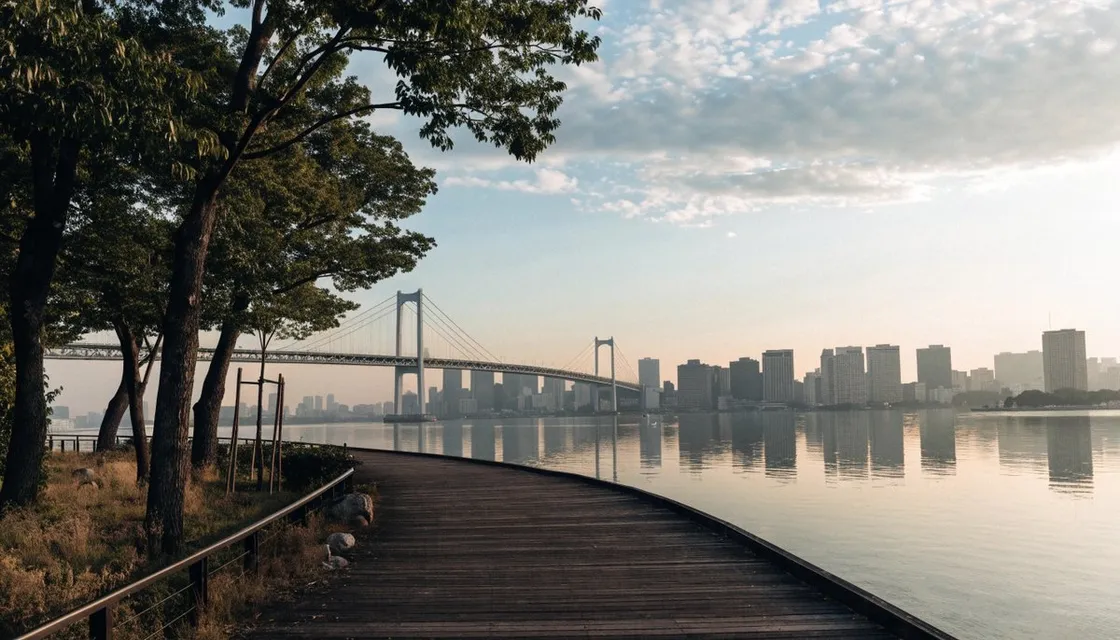
Odaiba is at its best as a half-day reset. As a daily base, it’s a harder sell.
It’s a bayside district built on reclaimed land, with wide walkways, big shopping complexes and a lot of open sky. You don’t get much of that in central Tokyo.
Some places are for grinding. Odaiba is for looking up.
What Odaiba actually is
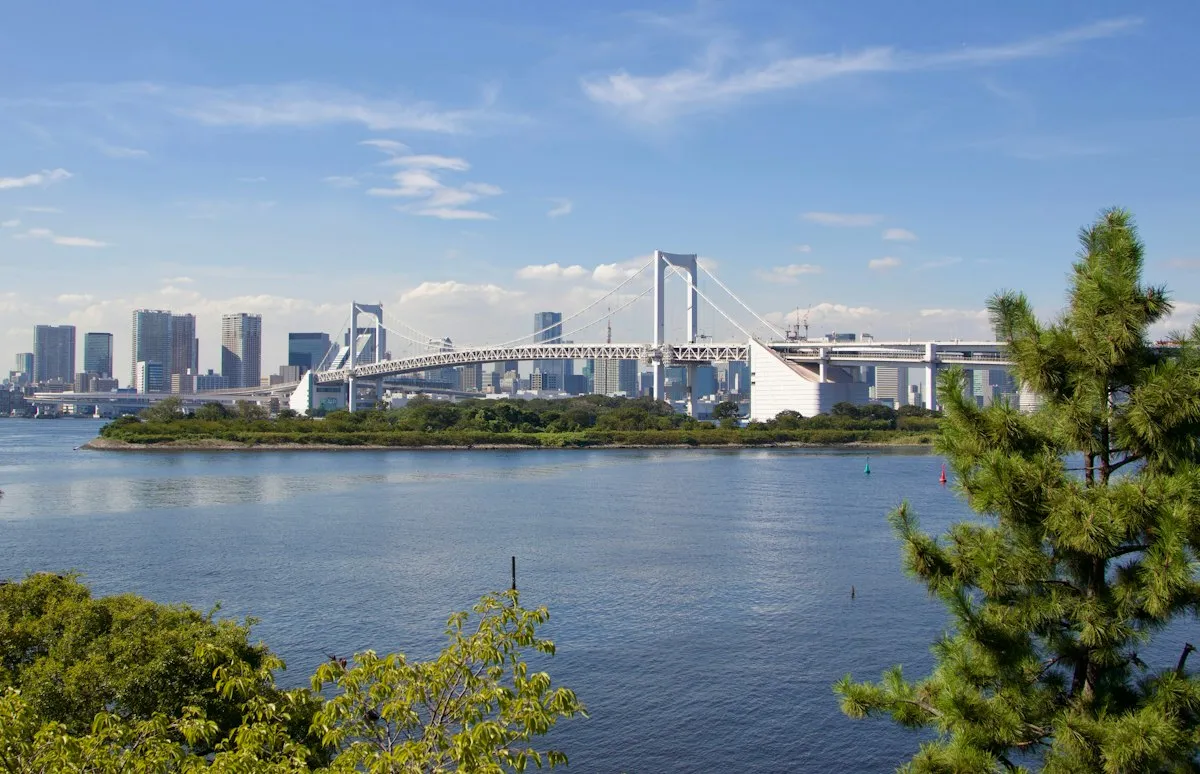
Odaiba sits on landfill islands in Tokyo Bay. The Rainbow Bridge, the Yurikamome line and the Rinkai line connect it to the mainland.
Everything is spread out. Buildings are further apart than they look on a map, so expect to walk.
Most of what you’ll use is grouped around a few stations, and each group has its own feel.
Getting there
The Yurikamome is an automated elevated train from Shimbashi, and the ride along the bay is half the fun. It’s about 15 minutes to Daiba station.
The Rinkai line is quicker from the Shinjuku and Osaki side, and some trains run through from lines in the west. The operator says it’s about 18 minutes from Shibuya and 24 from Shinjuku to Tokyo Teleport.
Easy rule: coming from the west, take the Rinkai line. Coming from Shimbashi, or if you want the view, take the Yurikamome.
A lot of nomads like to go in the late morning, once the commuter rush has died down. Routes and fares change, so check them before you head out.
Working from Odaiba
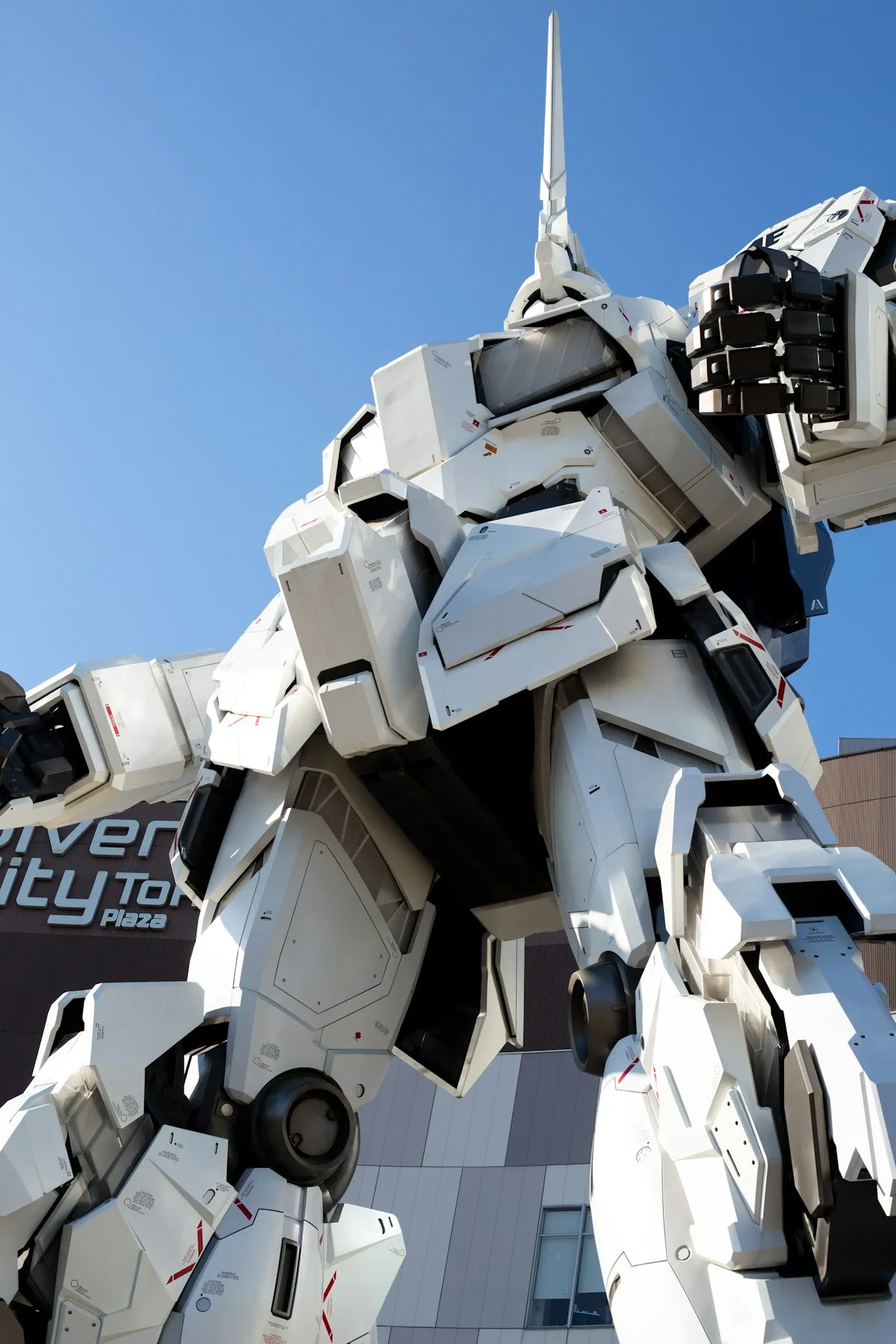
The big malls have cafes, food courts and places to sit. Aqua City Odaiba is a minute’s walk from Daiba station, DiverCity Tokyo Plaza is about three minutes from Tokyo Teleport (exit B), and DECKS Tokyo Beach is two minutes from Odaiba-kaihinkoen station.
Shops in Aqua City and DiverCity open at 11 a.m. on weekdays, so a “quiet weekday morning” here really means late morning.
Don’t count on any one spot having outlets or fast Wi-Fi. Come with a charged laptop and a phone hotspot and you’ll have a fallback.
If you need real focus or have calls, book a room at a coworking space or a work booth. A food court won’t cut it.
Our guide to work booths and video calls can help you pick a backup.
Odaiba is good for reading, planning and lighter tasks. A full day of meetings is another story.
The waterfront walk
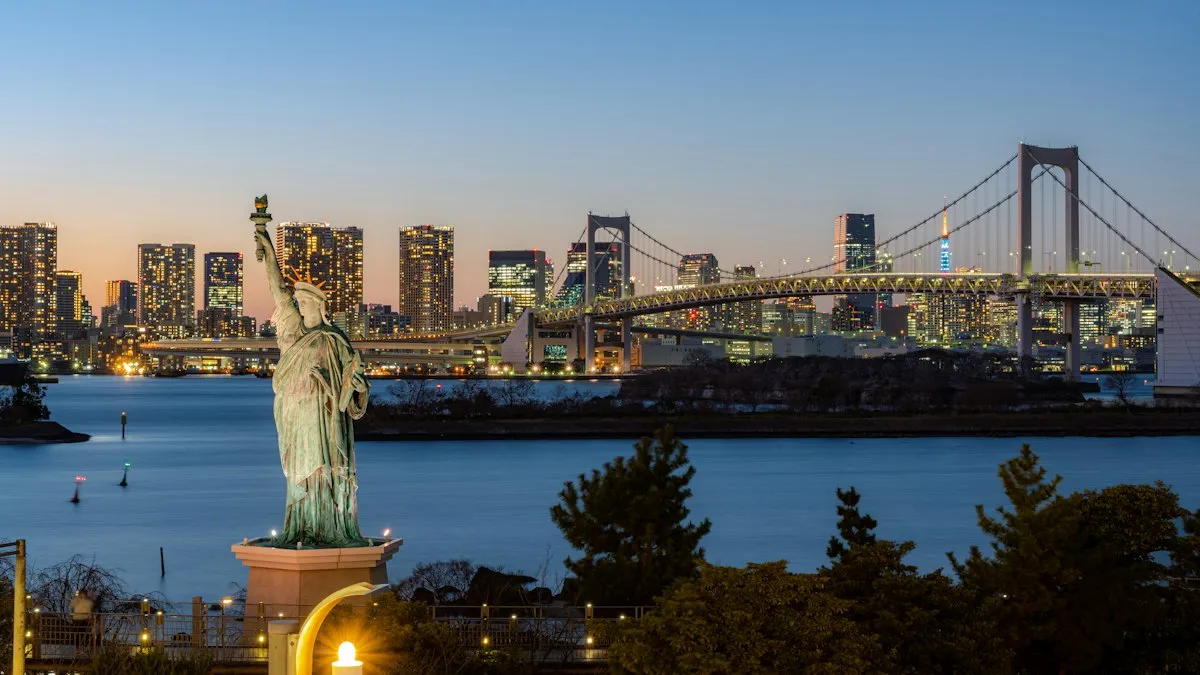
For a lot of visitors, the seaside promenades are the main reason to come.
Late afternoon is usually best. The light softens, the bridge starts to glow, and in summer the heat finally eases off.
In winter, bring an extra layer. The wind off the bay can be sharp.
Food and breaks
Eating is easy. The malls have everything from quick set meals to sit-down restaurants with bay views.
Prices run higher than at neighborhood places in the older parts of the city, so it’s better for one good meal than for every meal.
If you want something more local, a short trip to Tsukishima’s monja street goes nicely with a day by the bay.
Seeing it from higher up
If the bay light leaves you wanting to get up higher, have a look at our list of free observation decks in Tokyo.
An evening skyline view is a nice way to wrap up a working day.
Is it a good base?
For most nomads, Odaiba is somewhere you go for the day. It isn’t somewhere you live.
There are places to stay, but the area gets quiet at night and it’s a long way from the neighborhoods with more cafes, gyms and everyday shops.
If you want a base near the bay, the Shinagawa guide covers a bayside station area that’s much easier to live in day to day.
FAQ
Is Odaiba good for working remotely?
It’s fine for light work in cafes and malls, but not great for long calls. Have a backup plan for power and connectivity.
How long should I plan to spend there?
Half a day is usually enough. The waterfront walk is the highlight.
When is the best time to visit?
Weekday late mornings are calmer, and late afternoon has the best light along the water.