Harajuku and Omotesando for Remote Workers
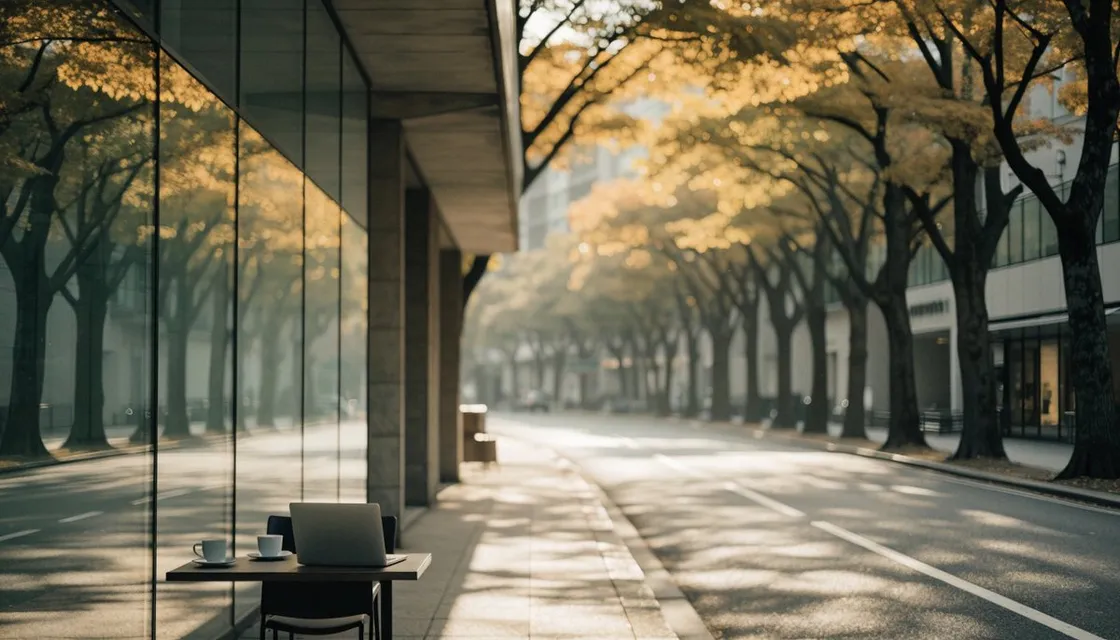
Harajuku and Omotesando sit a few minutes apart and feel like different cities.
Takeshita Street is a narrow, packed lane of crepes and teenage fashion. Omotesando, a ten-minute walk away, is a wide, tree-lined avenue of architecture and quiet cafés.
For remote workers, the useful part is the second one. The trick is knowing how to get there without wading through the first.
Treat it as a daytime neighborhood
This area works best on weekday mornings and early afternoons.
Cafés on the Omotesando side are calm before about 11am. Seating is comfortable, the light is good, and the street outside is pleasant to walk after a long call.
By the weekend, the whole area changes. Crowds build from late morning, queues form for almost everything, and finding a seat with a power outlet becomes a project.
Harajuku is a weekend. Omotesando is a weekday. Know which one you are visiting.
Where to sit and work
The best bets are the cafés set back from the main avenue, on the lanes running toward Aoyama and Gaienmae.
Many are small, design-conscious spots that tolerate a laptop for an hour or two but are not built for all-day camping. Policies on outlets and Wi-Fi vary, so it helps to ask before you unpack.
Larger chains near the stations are more predictable. They are also busier, so aim for the early window.
On a rainy day, the Tokyu Plaza Harajuku “Harakado” building, a minute’s walk from exits 4 and 7 of Meiji-jingumae station, is an easy place to regroup, and it houses COVER, a magazine library of more than 3,000 titles (11:00 to 21:00). Its coworking space, HARAJUKU LAB, is monthly membership only with no drop-ins, so it is not an option for a short stay.
If you need a booth for a call, the work booth guide explains how to find one nearby, since the cafés here are not great for meetings.
The back streets, Ura-Harajuku
Cat Street and the small lanes around it are where the neighborhood becomes livable.
The pace is slower, the shops are independent, and you can walk between Harajuku and Shibuya without touching a main road. Many nomads use this route as a daily break between work blocks.
It is also a good place to look for vintage clothing and secondhand finds. The secondhand shops guide covers how to shop smart in Tokyo.
Meiji Jingu and Yoyogi Park
The greenest part of the area is also the most useful.
Meiji Jingu’s forested approach is calm even on busy days, and the surrounding paths are good for clearing your head. Save the calls for somewhere else: it is a shrine approach. Yoyogi Park on the other side is large, relaxed, and more varied.
Both are free to enter. On weekends, Yoyogi Park fills with people, music, and performers, so go early if you want quiet.
Getting around
Harajuku Station on the JR Yamanote Line and Meiji-jingumae on the Chiyoda and Fukutoshin lines serve the northern end. Omotesando Station on the Ginza, Chiyoda and Hanzomon lines serves the avenue itself.
That makes it easy to reach Shibuya, Shinjuku, and Ginza within minutes. For the neighborhood next door, see the Shibuya guide.
Where to stay, honestly
Short-term accommodation here is generally priced at the high end of Tokyo, and options are limited because the area is mostly retail and office space.
Many nomads stay a short train ride away, in places like Yoyogi-Uehara or Nakameguro, and visit for the day. Prices change often, so check current listings rather than trusting any number you have seen.
Who this area suits
It suits people who like design, walking between work blocks, and a lively but not chaotic mid-week atmosphere.
It suits less well anyone who needs long, silent, all-day focus, or anyone who must be here on a Saturday afternoon without a plan.
FAQ
Is Harajuku good for working remotely?
Only partly. Cafés on the Omotesando side are workable on weekday mornings, but Takeshita Street and the weekend crowds are not.
What is the best time to visit?
Weekday mornings. Many cafés and shops are quiet before late morning, and the avenue is at its best.
Should I stay in Harajuku?
Most nomads prefer to stay nearby in a quieter area and visit for a day or half-day. Accommodation is limited and generally expensive here.