Shibuya for Remote Workers: A Digital Nomad Guide
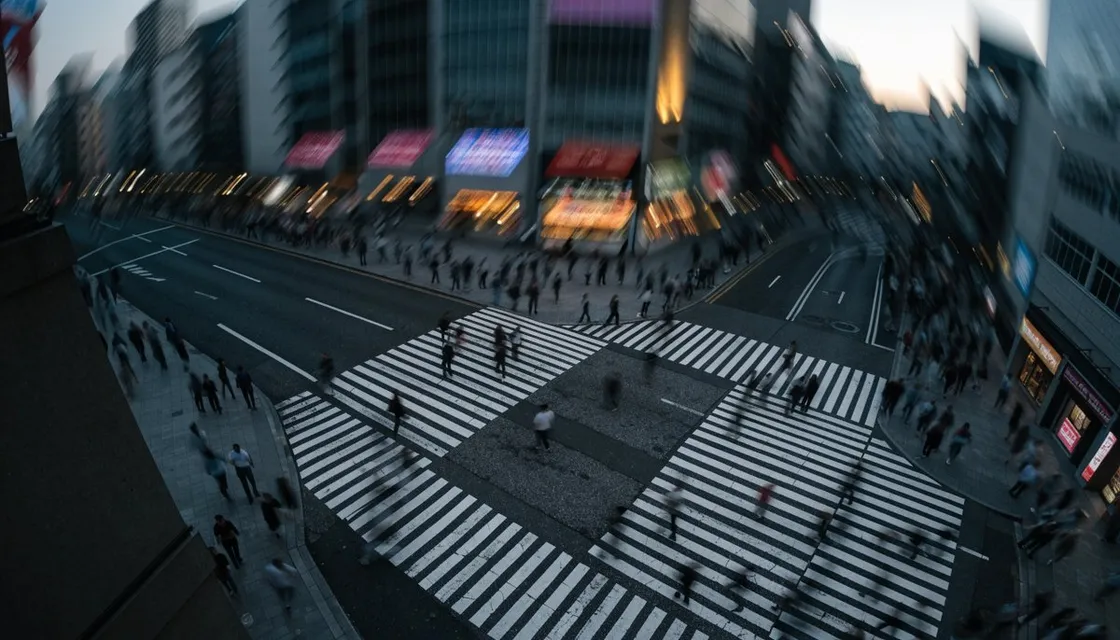
Shibuya works best as a hub you commute into, not a place you live in. That is the short version.
The density of coworking space, the late closing times, the train lines running in every direction, the sheer number of people to meet: all of that is real, and Shibuya has more of it per square kilometre than almost anywhere else in Tokyo.
But the rent is high, the streets are loud, and the cafes near the station fill up in a way that will quietly eat your morning if you have not planned around it.
Plenty of nomads solve this by basing themselves one or two stops out and treating Shibuya as their office district. It is a reasonable compromise, and it is worth understanding why before you decide either way.
What Shibuya actually is
Most first-time visitors picture the scramble crossing and stop there. The crossing is maybe two percent of the story.
Shibuya is a valley, which is what the name describes, and the interesting parts climb out of it in every direction.
Go northwest and you are in Udagawacho, full of small record shops and second-hand clothing. Keep going and you hit Okushibu, a quieter stretch of restaurants and independent cafes that feels nothing like the station.
Go south and east and you reach the newer towers around the station rebuild, which is where most of the coworking and office space now sits.
Go west up the hill toward Shoto and the noise drops away almost completely into an old residential district with a small art museum.
The Shibuya you see on a postcard is a single intersection. The Shibuya you can work in starts about a ten minute walk from it.
That gap between the image and the actual neighbourhood is the single most useful thing to know when you arrive.
Working from Shibuya
For coworking, Shibuya is close to the best-served district in Tokyo. The tower redevelopment around the station brought a lot of flexible office supply with it, and the competition has kept day-pass pricing reasonable by central Tokyo standards.
If you are comparing options city-wide, our Tokyo coworking spaces guide covers how the main chains differ on drop-in policy, calls and desk reservations.
Cafes are a different story.
The chains within a five minute radius of the station are usually full from mid-morning, and the ones with power outlets are full earlier than that. Working from a Shibuya cafe at 11am on a weekday is possible, but it is a gamble, not a plan.
The fix is geography. Walk ten to fifteen minutes in any direction and the pressure drops sharply. Okushibu, the Sakuragaoka side, and the stretch toward Yoyogi-Hachiman all have quieter independent places where you can sit for two hours without feeling watched.
Our guide to cafes for remote work in Tokyo goes into the etiquette around long sessions, which matters more in small independent shops than in the chains.
For calls, do not improvise. Shibuya has a good supply of paid work booths in and around the station buildings, and they are worth the few hundred yen rather than taking a client call on a bench. We cover how those work in Tokyo work booths and video calls.
Staying in Shibuya
This is where most nomads decide against it.
Monthly apartments and share houses in Shibuya ward tend to sit at the upper end of the Tokyo range, and the space you get for that money is small even by local standards. Figures move constantly, so treat any number you read as a starting point and check current listings yourself.
The alternative most people land on is one or two stops out.
Nakameguro is a short ride away and considerably calmer, with a canal-side cafe culture that suits long working days. Our Nakameguro guide covers it in detail.
Sangenjaya, Yoyogi-Uehara and Daikanyama all sit within a few minutes of Shibuya and each trades a little convenience for a lot of quiet. Ebisu is busier, but still calmer than Shibuya itself.
If you are weighing several districts at once, the complete guide to Tokyo areas for digital nomads lays them out side by side.
Getting in and out
Shibuya is one of the strongest transport positions in the city, and this is the real argument for spending time there.
The JR Yamanote loop, the Saikyo and Shonan-Shinjuku lines, the Ginza, Hanzomon and Fukutoshin subway lines, the Tokyu Toyoko and Den-en-toshi lines and the Keio Inokashira line all meet here.
Practically, that means Shinjuku in five minutes, Yokohama in under half an hour without changing, and a direct run north through Ikebukuro toward Saitama.
The catch is the station itself. Shibuya has been under continuous redevelopment for years, and the walking routes between lines change more often than you would expect. Allow extra time on your first few transfers and do not trust a route you memorised on a previous trip.
The honest downsides
The noise is constant. Street advertising, competing music from shopfronts, announcements, traffic. If you are sensitive to that, a full day in Shibuya is genuinely tiring.
Weekends are worse. From Friday evening through Sunday the central blocks are difficult to move through, and anywhere with a good view or a good seat will have a queue.
Costs creep. A coffee, a work booth hour and a lunch in Shibuya add up faster than the same three things twenty minutes west.
None of this makes Shibuya a bad choice. It makes it a deliberate one.
Who Shibuya suits
Come here if your work depends on meeting people, if you want coworking options within walking distance of each other, or if you keep late hours and want the city still functioning at 10pm.
Look elsewhere if your days are mostly deep focus, if you are optimising hard for budget, or if you want to be able to open a window at night.
The most common pattern among nomads who stay in Tokyo a while is to live somewhere quieter and come into Shibuya two or three days a week. That gets you the network and the infrastructure without the fatigue.
FAQ
Is Shibuya a good area to stay in as a digital nomad?
It is convenient but expensive and noisy. Many remote workers prefer staying one or two stops away in Nakameguro, Sangenjaya or Yoyogi-Uehara and travelling in when they need coworking or meetings.
Can you work from cafes in Shibuya?
Yes, but avoid the blocks immediately around the station in the late morning and on weekends. Walking ten to fifteen minutes toward Okushibu or Sakuragaoka gives you a far better chance of a seat with power.
How expensive is Shibuya compared to the rest of Tokyo?
Shibuya ward sits toward the top of the Tokyo range for short-term accommodation, and daily costs run higher than neighbouring districts. Prices change often, so check current listings rather than relying on published averages.