Asakusa Guide for Remote Workers in Tokyo
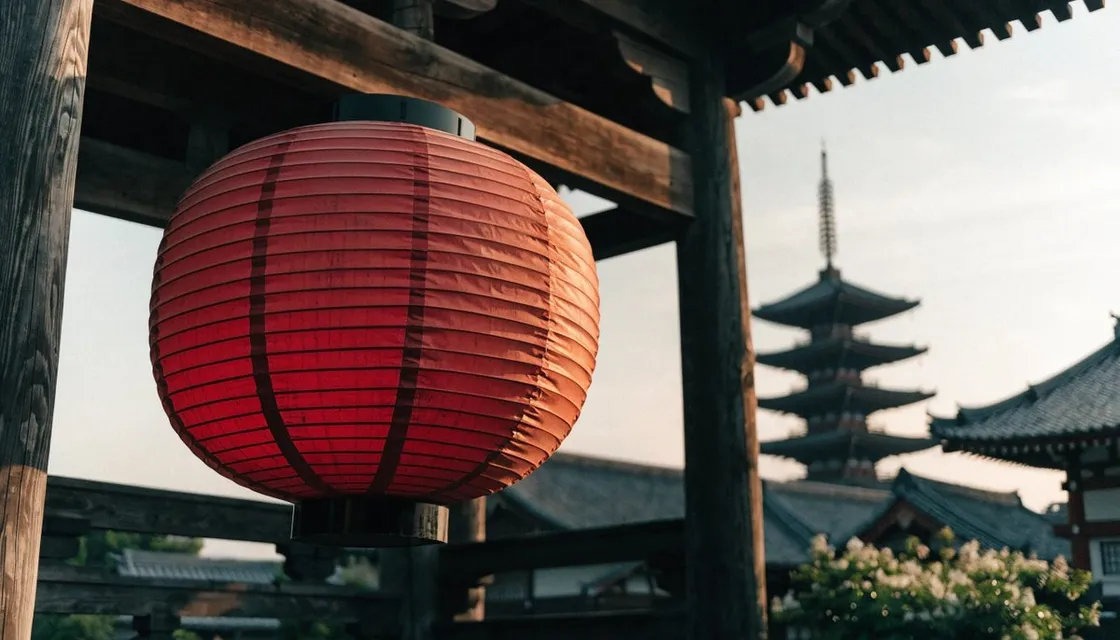
Asakusa is the right base if your priority is cheap accommodation and easy airport access, and you are willing to work around a tourist district rather than inside one.
It sits in Taito ward on the west bank of the Sumida River, in the part of Tokyo that locals call shitamachi, the old low city.
The temple is what brings people here. It is not what makes the neighborhood useful.
The airport thing is the real argument
Most neighborhood guides bury transit at the bottom. Here it should go first, because Asakusa has something almost no other Tokyo neighborhood has.
Asakusa station sits on the Toei Asakusa line, and that line through-runs onto both the Keikyu network toward Haneda and the Keisei network toward Narita.
In practice: on a through train, one seat to either airport, no transfer, from the station you are already standing in. Not every train runs through to the airports, so set your transit app to show direct services before you head down with a suitcase.
If you fly often, and a lot of remote workers based in Tokyo do, this quietly removes a recurring hour of friction from your life. No Yamanote leg, no dragging a suitcase across Shinagawa at rush hour.
The Ginza line also starts here and runs straight through Ueno, Ginza, and on to Shibuya. The Tobu line from the same cluster of stations heads north toward Nikko, which makes a long weekend outside the city easy to arrange. One catch: “Asakusa station” is really several stations. The Tsukuba Express has its own Asakusa station, set apart from the Ginza, Toei Asakusa, and Tobu ones, so check which one your place is actually near before you book.
The best thing a neighborhood can do for you is remove a decision you were making every week.
What it costs, and why
Asakusa is noticeably cheaper than the west side of Tokyo for short and medium stays. Hostels, guesthouses, and small business hotels cluster here at a density you will not find in Shibuya or Meguro, and monthly options tend to sit below what comparable rooms cost further west.
Some of that is distance from the corporate core. Some of it is the building stock, which skews older.
Older buildings are worth thinking about before you book a month. Expect the possibility of thin walls, dated air conditioning, and internet that was specified for a two-night tourist rather than someone on video calls. Ask about the connection before you commit, not after.
The upside of that same building stock is that short-stay infrastructure is genuinely good here. If you need a few flexible nights between places, this is one of the easier parts of the city to do it in, and our guide to capsule hotels and net cafés covers how those options work in practice.
Working here takes a bit of planning
This is the honest weak point. Asakusa is not a cafe-work neighborhood in the way Kiyosumi-Shirakawa or Nakameguro are.
The cafes in the tourist core are built for a forty-minute visit between sightseeing stops. Small rooms, few outlets, high turnover, and a queue outside on weekends.
Dedicated coworking exists but is thinner on the ground than in the business districts, so do not assume you can walk in and find a desk.
Three things that work better:
The chain cafes near the station and along the larger streets are unglamorous and reliable. Power, wifi, and nobody watching the clock.
The western edge of the neighborhood, out toward Kappabashi and Tawaramachi, thins out fast. The same block that is shoulder to shoulder near the temple is nearly empty ten minutes’ walk inland.
And Kuramae is one stop away. It has the cafe density and the quiet that Asakusa does not, which makes a useful pairing: sleep cheap in Asakusa, work in Kuramae.
The morning is the whole trick
If you take one practical thing from this guide, take this: Asakusa before eight in the morning is a different neighborhood.
The temple grounds are open and close to empty. The shopping street is shuttered. The river path is quiet.
Tour groups tend to arrive mid-morning and thin out by early evening, so an early schedule gives you the pleasant version of the neighborhood and hands the crowded version to everyone else.
This suits you particularly well if you work with Europe or the US and your calls land outside Japanese business hours anyway.
Run or walk the Sumida riverside in that window and you get a flat, uninterrupted path with the Skytree on the far bank.
Food, and the closing-time problem
Eating well here is easy and cheap. Old restaurants, standing bars, soba and tempura shops, and a dense back-street layer that has nothing to do with tourism.
The catch is hours. A lot of the genuinely good places in shitamachi close early, sometimes by eight or nine in the evening, and many take a weekday off.
If your working day runs late, you will end up at a chain or a konbini more often than you expected. Worth planning around rather than discovering at ten at night.
Kappabashi, the kitchenware street on the western edge, is also more useful than it sounds. If you are setting up a longer stay, it is a practical place to buy a decent knife, a pan, or a drip kit without paying department store prices.
Who it suits
Asakusa works if you fly frequently, care about keeping monthly costs down, run an early or offset schedule, and want a base with actual texture rather than a polished one.
It works less well if you need a dependable walk-to cafe office, keep late hours, or want to be a short taxi ride from Shibuya and Roppongi nightlife.
One more thing in its favor: this is a strong part of the city for sento. The old bathhouse culture survived here better than in most wards, and a bath at the end of a long working day is a genuinely good reason to live somewhere. Our sento and sauna guide covers the etiquette if you have not been.
FAQ
Is Asakusa too touristy to live in?
The tourist density is very concentrated. Sensoji, Nakamise, and the few streets around them are crowded most of the day. Move five to ten minutes in any direction, particularly west and north, and it becomes an ordinary residential neighborhood. Where you stay matters more than the neighborhood’s reputation.
Can I get to a coworking space easily from Asakusa?
Kuramae and Ueno are both close, and the Ginza line puts you in the central business districts without a transfer. Plan on a short commute rather than expecting coworking on your doorstep.
Is it a good base if I am only in Tokyo for a few weeks?
Yes, and arguably better for short stays than long ones. The cheap flexible accommodation, the direct airport lines, and the walkable old city are all front-loaded benefits. The thin coworking options matter more the longer you stay.