Gotanda Guide for Remote Workers in Tokyo
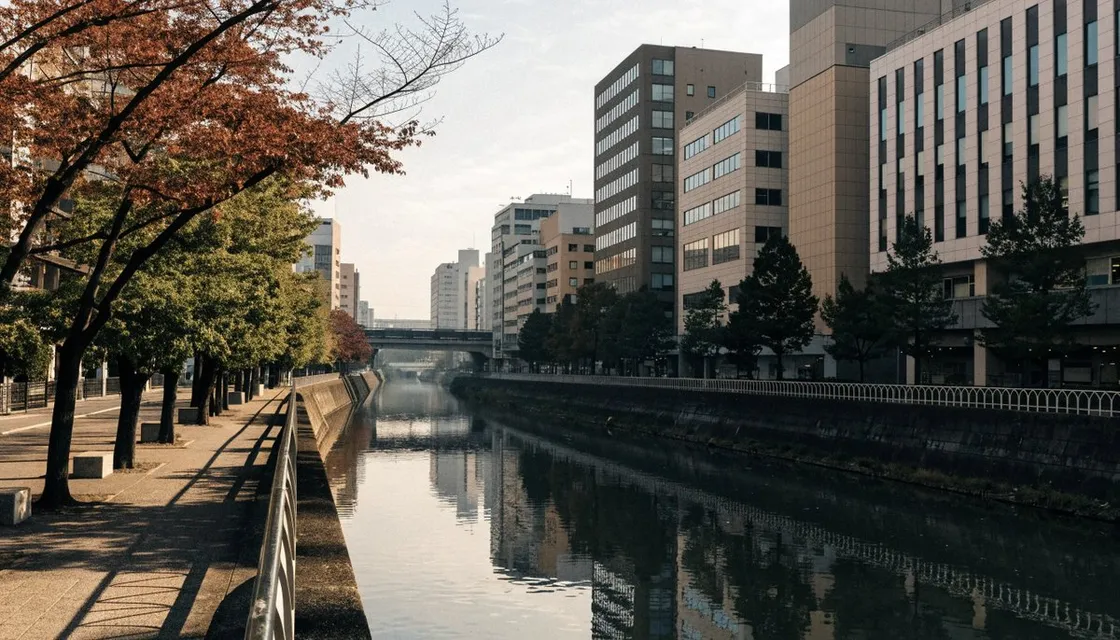
Gotanda is one of the most practical places in Tokyo to get work done.
It is not pretty in the postcard sense. It is a working district on the Yamanote line, full of offices, set-meal restaurants, and people with laptop bags.
For a remote worker, that is exactly the appeal.
Some neighborhoods inspire you. Others simply let you finish your work and get home on time.
Who Gotanda suits
It suits nomads who treat Tokyo as a place to work, not only a place to visit.
If you want a coworking desk, reliable lunch options, and fast trains in every direction, Gotanda covers the basics well.
It is also a good fit if you fly often. The airport connection, covered below, is one of the easier ones in the city.
If you are after nightlife, fashion, or a creative scene, Shibuya, Nakameguro, or Shimokitazawa will feel more alive. Gotanda is a weekday neighborhood.
Why people call it “Gotanda Valley”
Over the past several years, a cluster of tech startups set up offices around the station. Rents were generally lower than in Shibuya or Roppongi, and the location is central.
Local companies started using the nickname “Gotanda Valley,” half as a joke and half as branding.
You will not see a campus or a sign. What you may notice is the crowd: plenty of younger office workers, and the occasional tech meetup or study session held nearby.
It is not a nomad hub. But it is a district where working on a laptop in public looks completely normal.
Getting around
Gotanda Station is served by three lines, which makes it unusually flexible.
The JR Yamanote line puts Shibuya, Shinagawa, and Ebisu only a few stops away.
The Toei Asakusa line runs toward Shinbashi, Nihonbashi, and Asakusa. With a change at Sengakuji, or on a through train, you can ride Keikyu trains to Haneda Airport.
The Tokyu Ikegami line starts here and heads south through quiet residential areas, including Togoshi-Ginza, which is only a couple of stops away and pairs well with Gotanda.
Times change by service, so check a route app. In practice, most of central Tokyo is a short ride away.
Working from Gotanda
This is where the neighborhood earns its place.
Several coworking brands and paid work booths have locations around the station, aimed at the office workers who fill the area. Options change often, so check current listings before you commit.
Our Tokyo coworking guide explains how drop-in and monthly plans usually work.
Chain cafes are easy to find on both sides of the station. Expect them to fill up at lunch, and be considerate about how long you hold a table.
For video calls, a booth or a coworking phone room is the safer choice. Gotanda cafes are busy with people having actual meetings.
Eating in Gotanda
A district full of office workers means lunch is taken seriously.
Set meals, ramen, curry, soba, and bento are everywhere, and many places are priced for people who eat out every weekday. Prices vary, but it is generally easier to eat well and cheaply here than near the bigger stations.
The trade-off is timing. From around noon to one o’clock, popular places queue. If you can eat a little earlier or later, you will have the area to yourself.
In the evening, small izakaya and standing bars fill with people heading home.
Parts of the area near the station also have a late-night entertainment strip. It is easy to avoid and not unsafe, but worth knowing about before you choose an apartment right next to it.
Taking a break
The Meguro River runs right past the station. Its walkways are a good place to stretch your legs between calls, and the stretch between Gotanda and Osaki is lined with cherry trees in spring.
East of the station, the streets climb into quiet residential hills. Ikedayama Park, a small Japanese garden with a pond, is one of the calmer spots in the area. Check its opening hours before you go.
It is a useful reminder that Gotanda is not only offices. Ten minutes on foot can feel like a different city.
Where to stay
Monthly apartments and business hotels are common around Gotanda and neighboring Osaki.
For more space and a quieter street, look a stop or two down the Ikegami line, or toward Osaki. Our Shinagawa guide covers the wider area.
Is it worth it?
Gotanda will not be the highlight of your Tokyo photos.
It may well be the place where your weeks run most smoothly: a desk nearby, a cheap lunch, the Yamanote line, and the airport within easy reach.
FAQ
Is Gotanda a good area for digital nomads? Yes, if your priority is getting work done. It has coworking options, plenty of affordable food, and three train lines. It is less suited to people looking for nightlife or a nomad community.
How do you get from Gotanda to Haneda Airport? Take the Toei Asakusa line toward Sengakuji and continue on the Keikyu line, either by changing trains or on a through service. Check a route app for the current fastest option.
What is “Gotanda Valley”? It is an informal nickname for the cluster of tech startups with offices around Gotanda Station. It is a local branding idea, not an official district.