Kinshicho Guide: East Tokyo Base for Remote Workers
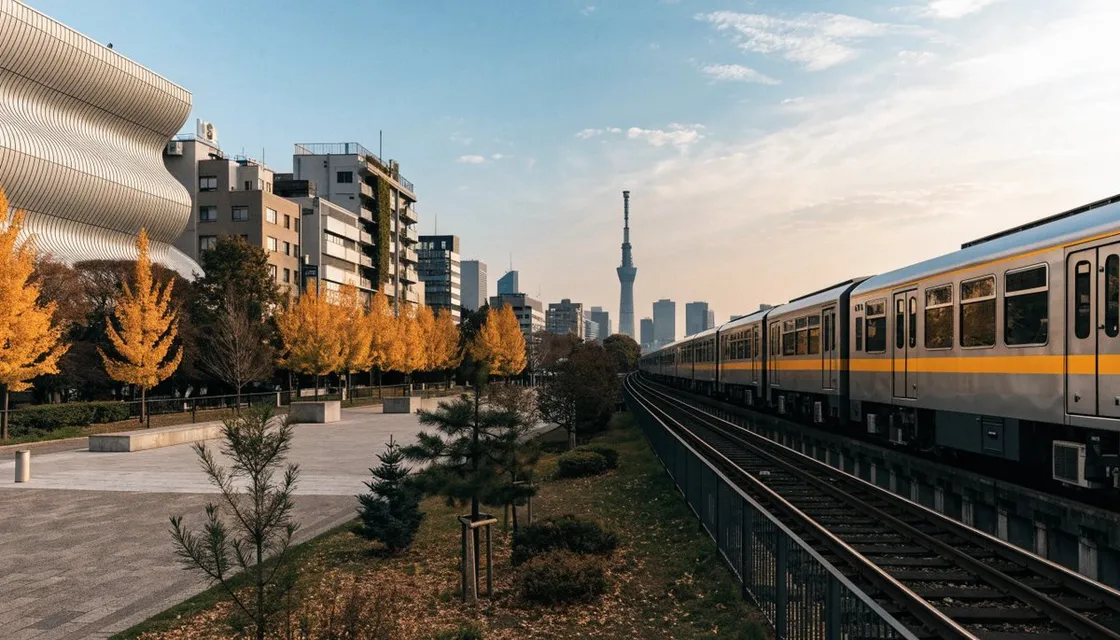
Kinshicho is the east Tokyo station most visitors pass through without getting off.
That is a small mistake. For a remote worker, it might be one of the most practical bases on this side of the Sumida River.
It has fast trains into the center, a large park, a real concert hall, and everyday shopping right at the station. Prices tend to be friendlier than in the west.
Kinshicho is not pretty in a postcard way. It is useful in an everyday way, and that adds up fast.
Who Kinshicho suits
Kinshicho suits nomads who care more about convenience than atmosphere.
If you want a station where you can buy groceries, a monitor cable, and a decent dinner within five minutes, this is it.
It also works well if you plan to explore east Tokyo. Ryogoku, Oshiage, Kiyosumi-Shirakawa, and Kameido are all close.
If you are looking for quiet lanes and design cafés, it will feel a bit busy. The north side of the station is where you find the calmer rhythm.
Getting around
Kinshicho is a strong transport hub for its size.
The JR Sobu Rapid line runs direct to Tokyo Station, usually in around ten minutes. Some rapid services continue on toward Chiba and Narita Airport, which is handy on travel days.
The JR Sobu local line, with its yellow-striped trains, runs straight through Akihabara and Ochanomizu to Shinjuku without a change.
The Tokyo Metro Hanzomon line adds a third direction. Oshiage, home of Tokyo Skytree, is one stop north. Heading the other way, it runs through Otemachi and Jimbocho toward Shibuya.
Exact times vary by service, so check a route app before a tight connection.
North side, south side
The station splits the neighborhood into two moods, and it helps to know which is which.
The north side is the calmer one. Here you find Kinshi Park, the concert hall, wide sidewalks, and newer residential buildings.
The south side is louder. It has more bars, late-night restaurants, and entertainment, and it stays lively well after dark.
Neither side is a problem for daily life. But if you are choosing a monthly apartment, many nomads find the north side easier for sleep and evening walks.
Kinshi Park and the concert hall
Kinshi Park sits just north of the station and is one of the area’s best assets.
It is a big, open, practical park with sports fields, benches, and room to walk between calls. In autumn the trees around it turn gold.
Right beside it is Sumida Triphony Hall, a concert hall known as the home of the New Japan Philharmonic orchestra.
Having a serious concert venue a few minutes from your desk is a quiet luxury. Check the official schedule for performances, since programs change through the season.
Working from Kinshicho
Kinshicho is not a coworking district, but it covers the basics well.
Around the station you will find chain cafés, family restaurants, and paid work booths. The large shopping centers on both sides of the station also have food courts and seating that can carry you through a short work block.
Local listings change often, so confirm current coworking and booth options before relying on one.
For video calls, a booked booth is usually safer than a café. Our guide to Tokyo work booths and video calls covers how they work.
Easy outings nearby
Part of Kinshicho’s appeal is how much is a short ride away.
One stop west on the Sobu local line is Ryogoku, with its sumo stable streets and museums.
One stop north on the Hanzomon line is Oshiage and Tokyo Skytree, good for a rainy afternoon or a quick view over the city.
To the east, Kameido Tenjin Shrine is known for plum blossoms in late winter and wisteria in spring. It is a pleasant walk from Kameido Station, one stop away.
Daily life
Daily life in Kinshicho is easy.
There are supermarkets, drugstores, electronics shops, and plenty of inexpensive set-meal restaurants within a few minutes of the station.
Rent and monthly apartment prices in Sumida tend to be more moderate than in central and western Tokyo. Figures move, so compare current listings yourself.
The area also has a long local history. The name is often linked to an old Edo-era canal, and the neighborhood appears in local ghost tales from the Honjo district. A small detail, but it makes the walk home more fun.
FAQ
Is Kinshicho a good base for a month in Tokyo? For many remote workers, yes. It offers fast links to Tokyo Station and Shinjuku, everyday convenience, and generally moderate prices.
Is Kinshicho safe? Kinshicho is a normal, busy Tokyo neighborhood. The south side has more nightlife and can be noisy at night, but most visitors find it fine with ordinary city awareness.
How do I get from Kinshicho to Narita Airport? Some JR Sobu Rapid line services run through toward Narita Airport, and there are also airport bus options. Check current schedules before your travel day.