Sugamo Guide: Old-School Tokyo for Remote Workers
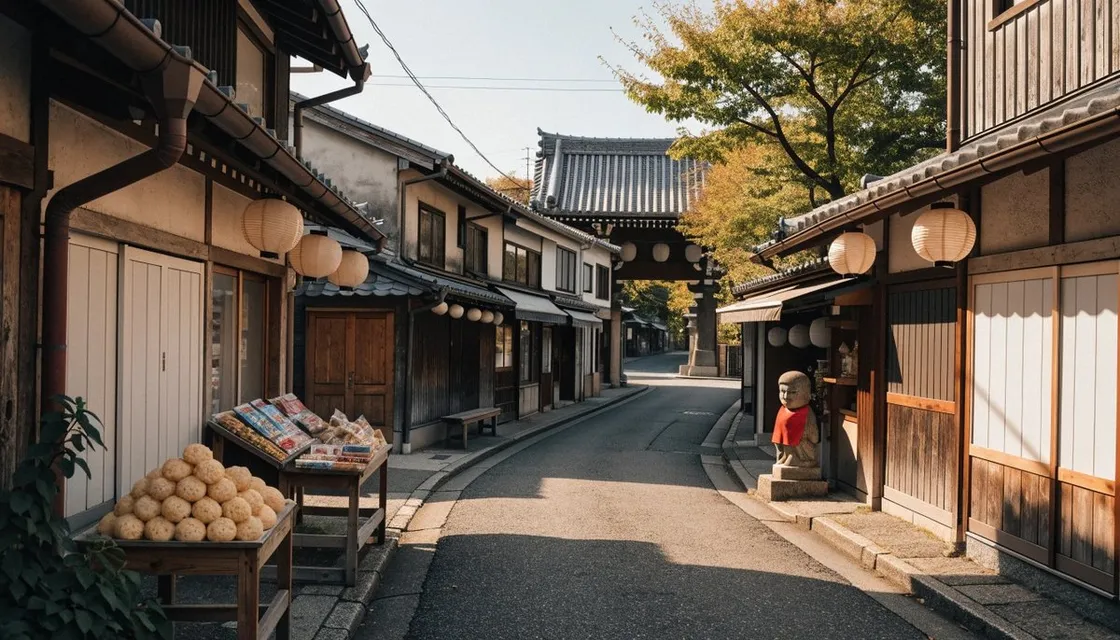
Sugamo is the Tokyo neighborhood people joke about, and then quietly wish they lived in.
In Japan it is famous as obaachan no Harajuku, “grandma’s Harajuku.” The nickname comes from Jizo-dori, a long shopping street full of temple visitors, sweet shops, and stalls selling sensible cardigans.
It sounds like a punchline. It is actually one of the calmest, most livable bases on the Yamanote line.
Sugamo is not trying to be young. That is exactly why it feels so easy to live in.
Who Sugamo suits
Sugamo suits nomads who want a central address without the noise.
You are two stops from Ikebukuro on the Yamanote line, yet the streets around the station feel slow, polite, and unhurried.
It is a good fit if you like walking, cheap and honest food, and a neighborhood with a daily rhythm you can join.
If you want nightlife, design cafés, or a big international crowd, it will feel quiet. Most nomads in Sugamo treat that as a feature.
Getting around
Sugamo Station sits on the JR Yamanote line, which loops around central Tokyo.
Ikebukuro is two stops away. Shinjuku, Ueno, and Tokyo Station are all reachable without changing trains, usually within about 20 to 25 minutes depending on the direction.
The Toei Mita line also stops here, running south through Jimbocho, Otemachi, and Hibiya. That makes the book town of Jimbocho an easy, direct ride for a change of scenery.
At the far end of Jizo-dori, Koshinzuka stop on the Toden Arakawa line (the Tokyo Sakura Tram) is a charming way to drift north through old residential Tokyo.
Check a route app for exact times, since they vary by service.
Jizo-dori: the reason people come
Jizo-dori starts near the station and runs for roughly 800 meters along part of the old Nakasendo road.
Right at the entrance stands Shinshoji, a small temple with a large bronze Jizo, one of a historic set of six around Edo-era Tokyo.
Halfway along is Koganji, better known as Togenuki Jizo. Visitors come to pray for good health.
Many line up at the Arai Kannon statue, gently washing the part of the statue that matches where they hurt. It is a lovely, very human ritual to watch.
The street itself is a pleasure. Rice crackers grilled at the counter, shio daifuku (salty-sweet rice cakes), pickles, tea shops, and old-fashioned clothing stores, including the famous red underwear said to bring good luck.
Our shotengai guide explains how these local streets work, if they are new to you.
The days ending in 4
Here is a small detail worth planning around.
On days of the month ending in 4 (the 4th, 14th, and 24th), Jizo-dori holds its ennichi temple fair. Street stalls line the road and the crowds grow noticeably.
It is a fun, lively morning out. It is also not the day to cross the street in a hurry before a call.
Working from Sugamo
Sugamo is not a coworking hub, and that is fine.
Around the station you will find chain cafés, family restaurants, and some paid work booths. Local options change, so check current listings before relying on one.
The cafés skew older and quieter than in Shibuya, which can make them surprisingly good for focused work outside peak lunch hours.
A common setup is a monthly apartment as your main desk, with coworking days in Ikebukuro. Our Ikebukuro guide covers what is nearby.
Breathing room: Rikugien and the old streets
One of Tokyo’s finest gardens is next door.
Rikugien, a classic Edo-period strolling garden, sits between Sugamo and Komagome. It is an easy walk, or one stop on the Yamanote line.
It is especially beautiful in autumn, and in some years it holds evening light-ups in late autumn. Check the official schedule before you go.
To the east, the quiet streets toward Sengoku and Hakusan are good for a slow evening loop. And if you like old Tokyo, Yanaka is a pleasant bike ride or short train hop away.
Daily life
Daily life in Sugamo is gentle and practical.
There are supermarkets, drugstores, and plenty of inexpensive set-meal restaurants near the station. Food prices along Jizo-dori are often friendly, because the regulars expect value.
Rent and monthly apartment prices in this part of north Tokyo tend to be more moderate than in the western districts. Figures move, so compare current listings yourself.
Many shops close early. Evenings are quiet, and that can be a gift after a long day of calls.
FAQ
Is Sugamo a good base for a month in Tokyo? For many remote workers, yes. It offers a Yamanote line address, a quiet atmosphere, and easy daily life at generally moderate prices.
Is Sugamo only for older people? No. The shopping street draws many older visitors, but the neighborhood is a normal mixed residential area, and it is welcoming to everyone.
When is the best time to visit Jizo-dori? Weekday mornings are calmest. For the festive side, go on a day ending in 4, when the temple fair brings street stalls.