Ikebukuro for Remote Workers: Where to Work and Stay
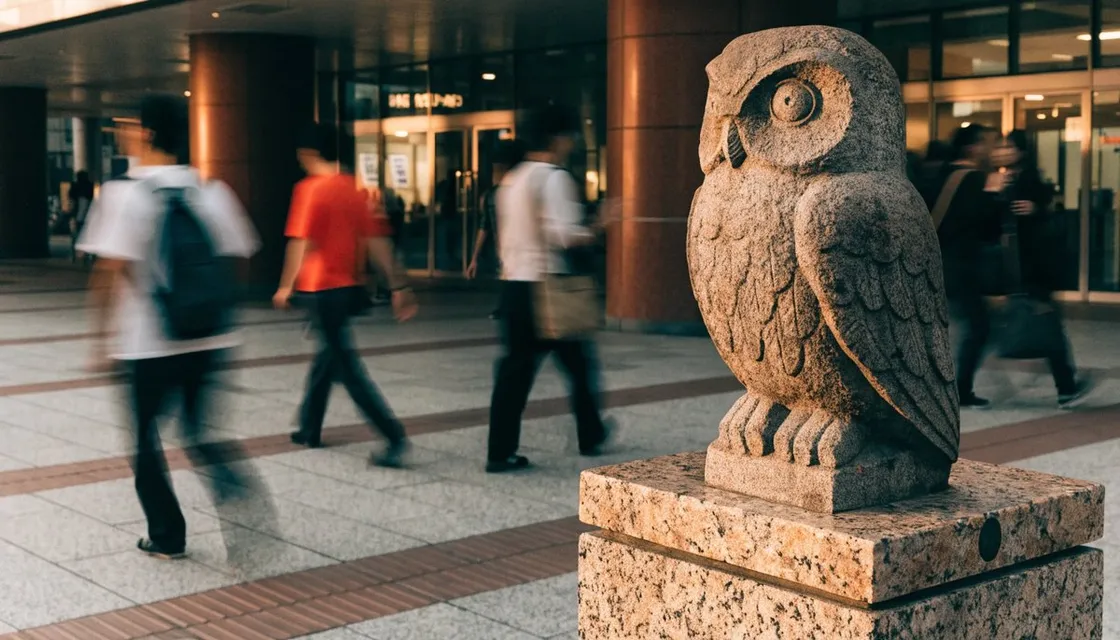
Ikebukuro is the big Tokyo hub that remote workers most often skip, and that is exactly why it works.
It has the transport of Shinjuku, a fraction of the tourist pressure of Shibuya, and prices that tend to sit a notch lower than either. What it lacks is glamour.
For a month of steady work, that is a trade many nomads end up happy to make.
The short version
Stay near Ikebukuro if you want a big-station base without big-station prices, easy access to Saitama-side day trips, and a neighborhood where daily life is not built around visitors.
Look elsewhere if you want picturesque streets or a strong cafe scene on every corner. Ikebukuro is practical first, pretty second.
Ikebukuro does not try to impress you. It just keeps being useful.
East and west are named backwards
The first thing to know is a local joke that is also a real navigation problem.
The Seibu department store sits on the east side, and the Tobu department store sits on the west side. The railway names point the opposite way from where their stores stand.
It sounds trivial until you are underground and realize that following signs for “Seibu” takes you east, not west. Decide which exit you need by direction, not by brand, and you will save yourself a few loops of the concourse.
East side: Sunshine City and the busy half
The east exit is the Ikebukuro most people picture.
The main streets lead toward Sunshine City, a large complex with shops, an aquarium, an observation deck and plenty of indoor space for rainy days. Chain cafes are dense along the way, and turnover is fast.
This side is good for errands and evening energy, less good for long focused sessions. Weekends in particular get crowded, and the area around Sunshine Street stays lively late.
If you need a proper desk here, a coworking day pass or a paid work booth is usually a better bet than hoping for a quiet cafe corner.
Minami-Ikebukuro Park: the outdoor office
A few minutes south of the east exit, Minami-Ikebukuro Park is one of the more pleasant surprises in this part of Tokyo.
It is a wide, well-kept lawn surrounded by mid-rise buildings, with a cafe on site. On a mild day it fills with people reading, eating lunch and, yes, sitting with laptops.
It will not replace a desk for a full day. But as a place to take a walking call, clear email for an hour, or reset between work blocks, it punches well above its size.
Autumn and spring are its best seasons. In high summer, shade is the limiting factor.
West side: theater, university, and quieter streets
Cross to the west exit and the tone shifts.
The Tokyo Metropolitan Theatre anchors the plaza, and beyond it the streets toward Rikkyo University feel more residential and more student-paced. Smaller cafes, cheaper lunches and less foot traffic make this the better side for sitting down and actually working.
The north side of the station has a long-established Chinese community, and the food around there is one of Ikebukuro’s quiet strengths. Ramen density across the whole area is also famously high, which matters more than it should when you are feeding yourself on a budget.
Free desks and the library option
Toshima Ward runs public libraries around the area, and like most Tokyo ward libraries they can be a solid free option for reading and quiet work. Rules on laptops, reserved seats and time limits vary by branch, so check the notices before settling in.
Our guide to Tokyo public libraries for remote work explains how the system generally works and what to expect at the desk.
Where Ikebukuro really shines: getting out of town
This is the underrated part.
Ikebukuro is the Tokyo terminal for two private railways heading northwest into Saitama. The Tobu Tojo Line runs toward Kawagoe, and the Seibu Ikebukuro Line heads out toward Hanno and, beyond it, the Chichibu area.
That means a weekend in the old warehouse streets of Kawagoe starts with a short walk to the platform rather than a cross-city transfer. The Kawagoe day trip guide covers how to spend the day.
If your rhythm is “work hard Monday to Friday, get into the hills on Saturday”, few Tokyo bases make that easier.
Staying in Ikebukuro
Accommodation around Ikebukuro often costs less than the equivalent in Shinjuku or Shibuya, though the gap depends heavily on season and exact location. Monthly apartments and business hotels are plentiful.
A useful middle path is to stay one stop out, around Mejiro or toward Zoshigaya, where streets are noticeably calmer, and walk or ride in when you need the hub.
For how Ikebukuro compares with other bases across the city, see the complete guide to Tokyo areas.
Pick Ikebukuro for what it lets you do, not for how it looks on a postcard.
The honest downsides
The station is huge and busy, and the underground passages take time to learn.
Parts of the east side can feel loud and a little rough around the edges at night. Nothing unusual for a major Tokyo hub, but it is not the soft, leafy atmosphere of the western suburbs.
And the independent cafe culture is thinner than in neighborhoods like Kiyosumi-Shirakawa or Shimokitazawa. You will lean on chains, libraries and paid space more often.
FAQ
Is Ikebukuro a good base for digital nomads?
For many, yes. It offers strong transport, generally lower costs than Shinjuku or Shibuya, and easy weekend escapes into Saitama. It suits people who value practicality over atmosphere.
Is Ikebukuro safe?
It is generally as safe as other major Tokyo hubs. Like any busy nightlife area, parts of the east side are livelier late at night, and normal city awareness is enough.
Where can I work quietly near Ikebukuro Station?
The west side toward Rikkyo University tends to be calmer than the east. Ward libraries and coworking day passes are more reliable than cafes for long, quiet sessions.