Akabane Guide: North Tokyo Base for Remote Workers
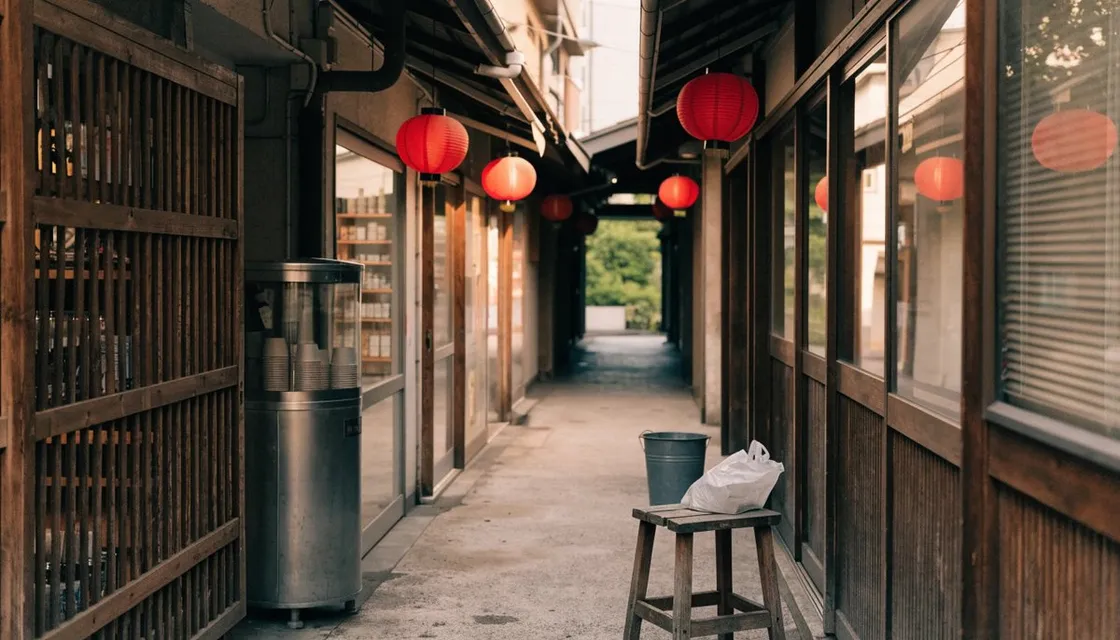
Akabane is one of the best-value bases in Tokyo, and most visitors never get off the train there.
It sits at the northern edge of the city, in Kita ward, right where Tokyo meets Saitama across the Arakawa river.
It is famous in Japan for one thing above all: people drinking cheerfully in the middle of the afternoon.
That reputation is a little unfair. Underneath it is a very practical neighborhood with excellent train links and an everyday rhythm that is easy to live inside.
Akabane does not try to impress you. It just keeps the lights on, the trains frequent, and the beer cold.
Who Akabane suits
It suits nomads who want to stay a month or more and keep costs sensible.
Rents and monthly apartment prices in north Tokyo are generally lower than in the western districts like Shibuya or Meguro. Figures move, so compare listings yourself, but the difference is often noticeable.
It is also a good fit if you like a lived-in, unpolished neighborhood more than a curated one.
If you want design cafés, nightlife with a dress code, or a large English-speaking crowd, you will probably be happier in Shibuya or Nakameguro. Akabane is local first.
Getting around
This is the part that surprises people.
Akabane Station is a major JR junction. The Saikyo line and the Shonan-Shinjuku line run toward Ikebukuro and Shinjuku, usually in well under 20 minutes.
The Keihin-Tohoku line and the Ueno-Tokyo line head to Ueno and Tokyo Station, and the Utsunomiya and Takasaki lines continue north into Saitama and beyond.
A short walk away, Akabane-Iwabuchi Station on the Tokyo Metro Namboku line gives you a second route into the center.
Times change by service, so check a route app. In practice, Akabane is better connected than many neighborhoods that look more central on a map.
If you split your week between Ikebukuro and the rest of the city, Akabane works especially well as a home base.
The daytime drinking culture
Akabane is one of the best-known places in Tokyo for senbero, a slang word for drinking and eating well for around a thousand yen.
Around the east side of the station, small izakaya and standing bars open earlier than you might expect. Some are busy before lunch on weekends.
The crowd is mostly regulars: retirees, shift workers, people finishing a night shift, friends meeting in the afternoon.
For a newcomer, this is one of the easier ways to experience neighborhood Tokyo. Counters are close, menus are short, and nobody expects you to stay long.
Our guide to tachinomi standing bars covers the etiquette, from ordering to paying.
A practical note: if you work afternoons, plan your day so that a 3 pm drink does not become your whole evening. Akabane makes that surprisingly easy to forget.
Working from Akabane
Akabane is not a coworking district, so set your expectations accordingly.
You will find chain cafés around the station, family restaurants, and some paid work booths. Options change often, so check current listings before you rely on one.
A common setup is to use a monthly apartment as the main desk and head into Ikebukuro or Shinjuku for coworking days.
The Tokyo coworking guide explains how drop-in and monthly plans usually work.
For long calls, a quiet room at home beats a café. Akabane’s cafés tend to be lively, especially near the station.
Shopping streets and daily life
Daily life is where Akabane shines.
On the east side, Akabane Ichibangai and the covered shopping arcade nearby mix supermarkets, drugstores, cheap set-meal restaurants, small specialty shops, and plenty of bars.
Prices for groceries and everyday food tend to be friendly, and you rarely need to go far for anything.
If shotengai culture is new to you, our shotengai guide explains how these local streets work.
Breathing room: the riverbank and the shrine
A walk north of the station, toward Akabane-Iwabuchi, brings you to the Arakawa riverbank.
It is wide, open, and quiet. Many residents run, cycle, or simply sit there in the evening. After a day at the laptop, the sky feels enormous.
Near the river you can also see the old Iwabuchi floodgate, known locally as Akasuimon (the Red Sluice Gate), a historic structure that is now a local landmark.
Closer to the station, Akabane Hachiman Shrine sits on a small hill above the railway tracks. It is a calm place to pause, and the view over the lines is oddly satisfying.
Things to know before you book
Akabane is lively near the station and quiet a few blocks away. If you are a light sleeper, look for a place on a side street rather than directly over the bars.
English is less common than in central districts. A translation app and a little Japanese go a long way.
And the station is big. Give yourself a few minutes to learn which exit you actually need.
FAQ
Is Akabane a good base for a month in Tokyo? For many remote workers, yes. It combines lower-than-central costs with fast trains to Ikebukuro, Shinjuku, and Tokyo Station.
Is Akabane safe? It is a normal residential and commercial neighborhood with a busy bar scene near the station. The usual city common sense applies.
Is there coworking in Akabane? There are limited options locally. Many people work from home or cafés and commute to larger coworking spaces in Ikebukuro or Shinjuku.