Kamakura: The Day Trip That Resets Your Week
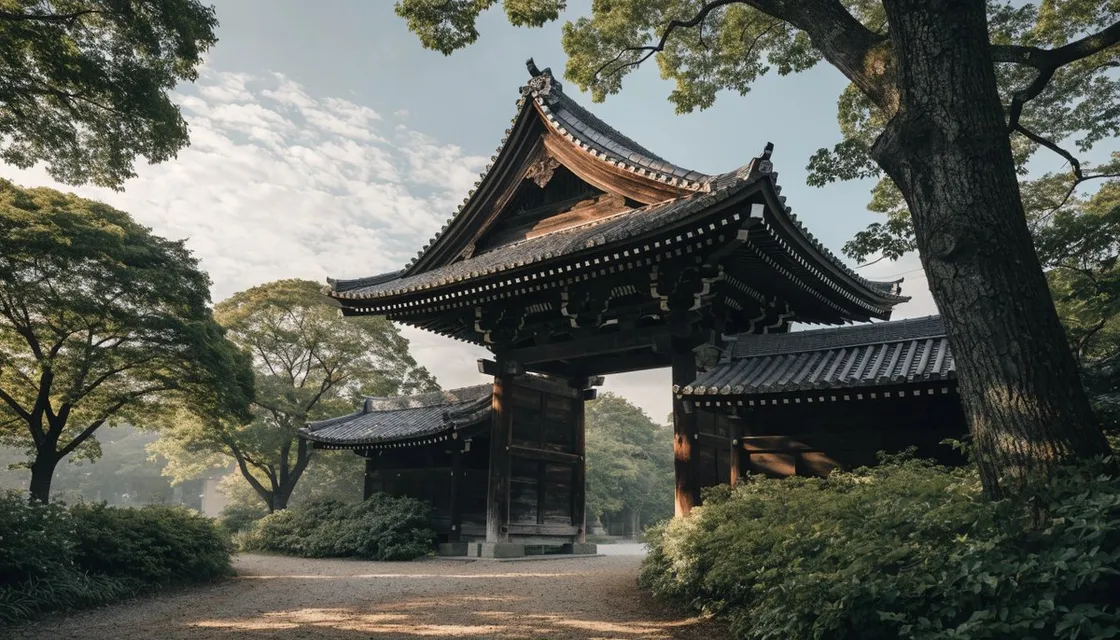
If you only leave Tokyo once during your stay, make it Kamakura, and make it a Tuesday.
The town sits about an hour south of Tokyo Station on the JR Yokosuka Line, in Kanagawa Prefecture. It has temples, a coastline, wooded hills, and a single-track local train that runs so close to houses you could almost touch the laundry.
It is also the clearest reminder that Tokyo is not all of Japan.
Most visitors do Kamakura on a Saturday, which is why most visitors describe Kamakura as crowded. Go midweek and the same walk is quiet enough to hear the cicadas or the wind in the bamboo.
Getting there without overthinking it
From Tokyo Station, the JR Yokosuka Line runs direct to Kamakura in roughly an hour. From Shinjuku or Shibuya, the Shonan-Shinjuku Line does something similar.
Your IC card works the whole way. There is no reservation, no ticket window, nothing to plan the night before.
That matters more than it sounds. The reason this trip works as a reset is that it has almost no logistics attached to it. You decide at breakfast, you are walking under trees by mid-morning.
If you want to see the coast, get off one stop earlier at Kita-Kamakura instead and walk south. It adds temples and subtracts the busiest part of the main street.
The best day trips are the ones you can decide on the same morning.
The three versions of Kamakura
Rather than a checklist, think of the town as offering three different days. Pick one. Trying to do all three is how people end up exhausted and unimpressed.
The temple day. Start at Kita-Kamakura, where Engakuji sits right by the station exit. Walk south past Meigetsuin and Kenchoji toward the center of town. Finish at Tsurugaoka Hachimangu, the shrine at the top of the long approach road.
This is mostly flat, mostly shaded, and takes a comfortable half day with stops.
The coast day. From Kamakura Station, switch to the Enoden, the small green-and-cream local line that runs along the shore toward Fujisawa. Get off at Hase for the Great Buddha and Hasedera, or stay on toward Enoshima.
The Enoden is the point as much as the destinations are. It runs slowly, at street level, past back gardens and level crossings and then suddenly the sea.
The hill day. The Daibutsu hiking course links Kita-Kamakura to the Great Buddha through wooded ridges. It is not a serious mountain, but it is genuine dirt trail, with roots and a few steep sections.
Wear something you do not mind getting muddy, and skip it entirely after heavy rain.
What is actually worth seeing
The Great Buddha at Kotoku-in is the famous image, and it earns it. The bronze figure has sat outdoors for centuries after the hall around it was destroyed, and there is something about the open sky behind it that a roof would ruin.
Hasedera, a few minutes away, is the one many people quietly prefer. It climbs a hillside in terraces, and from the upper level you get the town, the beach and the bay in one view.
Hokokuji is the small bamboo temple on the eastern side, away from the station. The grove is compact, not vast, and the reason to go is the tea house at the back where you can sit with a bowl of matcha and look into the bamboo.
Komachi-dori, the covered shopping street from the station, is fun for twenty minutes and overwhelming for forty. It is best treated as a snack corridor rather than a destination.
Timing, crowds and the weather question
Weekday mornings are the sweet spot. Arriving before ten puts you ahead of most day trippers, and the temples are at their best in early light anyway.
June brings hydrangeas, which is beautiful and also the single most crowded period of the Kamakura year. Some temples run timed entry or numbered tickets during peak hydrangea weeks, so check before you commit to a specific temple on a June weekend.
Late autumn is quieter and the maples are good. Winter is cold by the water but very clear. Summer means beach season at Yuigahama, which is lively rather than restful.
If you cannot fully switch off
Kamakura is not a coworking destination and it would be a shame to treat it as one. That said, some people can only justify the trip if the morning is covered.
There are cafes around the station and in Hase with wifi and power, and mobile coverage is solid across the town, so a call from a bench is technically possible.
A workable compromise is to finish your calls at home, take a late-morning train, and be on the trail or the coast by noon. Half a day in Kamakura still does the job.
A place is restful in proportion to how little of it you try to see.
What to bring
Comfortable shoes matter more than anything else. Temple grounds are gravel and stone steps, and the hiking course is real trail.
Cash is worth having. Many temples charge a small entry fee, and some smaller places still prefer coins to cards.
A thin layer helps year round, since the wooded paths stay cooler than central Tokyo and the coast is always breezier than you expect.
Water, obviously. Vending machines are common near stations and temples but thin on the trail sections.
FAQ
How long does the trip take door to door?
Budget about an hour each way from central Tokyo, plus four to six hours in town. A full day is comfortable, and a half day works if you focus on one area.
Is it worth buying a special pass?
It depends on how much you move around. There are combined JR and Enoden passes aimed at this trip, and they make sense if you plan several Enoden hops. For a single temple cluster and a walk, a regular IC card is simpler and often cheaper.
Can it be done on a rainy day?
Yes, and it is underrated in light rain. Temple gardens look better wet and the crowds thin out. Skip the hiking course, since the trail gets slippery, and lean toward Hasedera, Hokokuji and the Enoden instead.