Kiyosumi-Shirakawa Guide: Tokyo's Coffee Warehouse Neighborhood
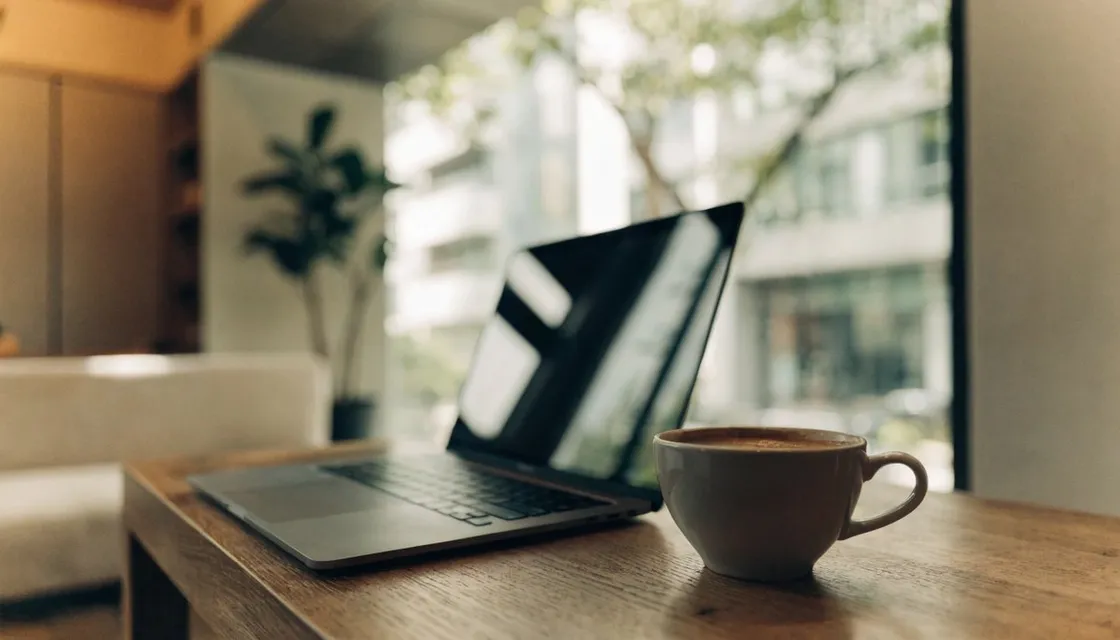
If your working day is organised around coffee and quiet, Kiyosumi-Shirakawa is probably the most efficient neighborhood in Tokyo for you.
It sits in Koto ward, east of the Sumida River, roughly fifteen minutes from Otemachi on the Hanzomon line and on the Toei Oedo line as well. Two subway lines, low buildings, wide sky, and a canal system that keeps the streets oddly calm for somewhere this close to the centre.
What makes it unusual is the reason people started coming: warehouses.
Why warehouses turned into coffee
This district was built for storage. Timber yards, lumber merchants, small factories, and the ground-floor warehouses that a canal city needs.
When that industry thinned out, what remained were large, cheap, high-ceilinged spaces with heavy floors. Exactly what a coffee roaster needs, and very hard to find anywhere else within a short subway ride of central Tokyo.
So the roasters arrived. Then more of them. Then a well-known American roaster opened its first Japanese location here, and the neighborhood’s reputation locked in.
A neighborhood becomes good for remote work by accident, when the thing that made it cheap also made it pleasant.
The result today is a walkable grid where you can pass three or four independent roasteries in ten minutes, most of them in converted industrial buildings with far more floor space than a normal Tokyo cafe.
That last detail matters more than the coffee itself.
What it is actually like to work here
Space is the point.
Tokyo cafes are usually small, and small cafes get protective about laptops, which is fair. Kiyosumi-Shirakawa’s converted warehouses often have room to breathe, which changes the etiquette in your favour.
Many of them are still not designed as offices. Expect large communal tables, good natural light, and a genuinely nice place to sit for an hour or two.
Do not expect a wall of power outlets. Some places have them, some deliberately do not, and a few post polite notices about laptop use at busy times.
The workable approach is to treat this neighborhood as a morning district. Arrive early, take a proper focused block while it is quiet, and be gone before the weekend crowd arrives.
Weekday mornings here are genuinely excellent. Weekend afternoons are a queue.
For anything longer, pair the area with a coworking day elsewhere, or with the local library and public facilities. Koto ward has decent public infrastructure, and public spaces are consistently the most reliable seats in any Tokyo neighborhood.
The garden, and why it is a work tool
Kiyosumi Garden is a few minutes from the station, and it is the practical reason to base yourself here rather than in another coffee district.
It is a traditional strolling garden built around a large pond, with stepping stones across the water and a circuit you can walk in fifteen or twenty minutes. There is a small admission fee, and it is one of the better value ways to buy yourself a reset in this city.
The rhythm that tends to work: two hours of focus, one lap of the garden, back to the desk.
Walking loops are underrated as a work tool, and having one that is beautiful rather than merely available makes you far more likely to actually use it.
Just outside, the Fukagawa area continues with temples, small shrines and the old shitamachi street pattern, so even a wander with no destination gives you something.
The Museum of Contemporary Art Tokyo is also within walking distance, which makes rainy days considerably easier to plan.
Eating and daily life
This is an old downtown area, so the food skews traditional rather than trend-driven.
Fukagawa-meshi is the local dish, clams and rice, served in a handful of long-running places nearby. Worth doing once, and cheap enough that it does not need to be a decision.
Beyond that you get the standard, reliable eastern Tokyo mix. Soba counters, small izakaya, a shotengai or two, family-run lunch places that open at eleven and stop when the rice runs out.
There are supermarkets, a good number of konbini, and enough everyday shops that you do not need to travel for basics.
What you will not find much of is late-night energy. Things close relatively early, and that is generally the trade you are making.
The practical case for staying here
Rents and short-stay prices in Koto ward tend to sit below the equivalent on the west side of the city, though anything you read about pricing changes constantly and should be checked rather than trusted.
The commute maths is good. Hanzomon takes you straight through Otemachi, Jimbocho and Shibuya. Oedo loops you around to Roppongi, Shinjuku and Tsukishima. If you need to meet clients in person, very little of Tokyo is genuinely far.
The area is also quiet at night in a way that helps if your calls run on European or American hours. Low buildings, residential streets, not much street noise after ten.
The honest downside: this is not a nightlife neighborhood, the English-speaking nomad scene is thinner than in Shibuya or Nakameguro, and if you want spontaneous social contact you will be travelling for it.
For a stay of a month or more, that quiet is usually a feature. For a five-day trip where you want to meet people, it probably is not.
If you are still deciding where to base yourself, it is worth putting Kiyosumi-Shirakawa next to the alternatives in the Tokyo neighborhood comparison, which lines up seven areas on cost, transport and workspace.
FAQ
Is Kiyosumi-Shirakawa good for a first stay in Tokyo?
It works well if you are comfortable being slightly outside the tourist grid and you value quiet. First-time visitors who want everything within walking distance often prefer somewhere more central, but the subway access here is strong enough that the trade is small.
Can you work all day from the cafes?
Better not to plan on it. Take a focused morning block, then move to a coworking space, a library, or a work booth for the rest of the day. That pattern respects the cafes and gets you more done anyway.
How does it compare to Kuramae?
They are close in spirit and physically near each other, both quiet, both riverside-adjacent, both built on old industry. Kuramae leans craft and design, Kiyosumi-Shirakawa leans coffee and green space. Walking between them takes under half an hour, so you do not really have to choose.