Nihonbashi for Remote Workers: Old Bridge, New Desks
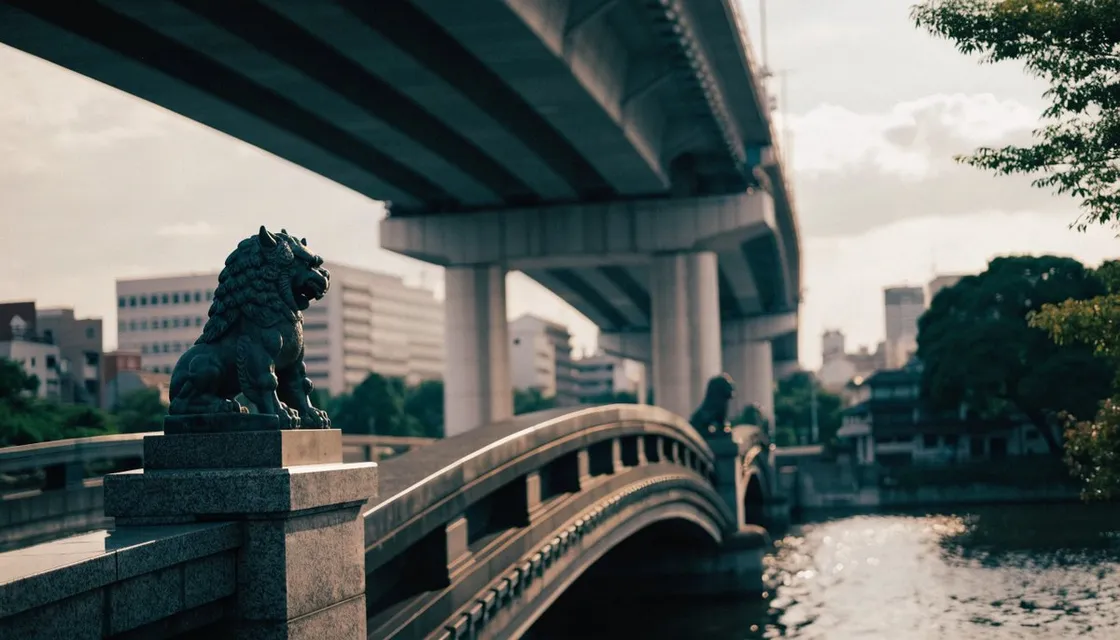
Nihonbashi is a business district with a long memory, and that combination makes it a calm, practical base for remote work.
It sits next to Tokyo Station, feels quieter than most central neighborhoods after dark, and rewards people who like to mix a working day with a slow walk past very old shops.
What Nihonbashi actually is
The name means “Japan Bridge,” and the bridge is real. It crosses the Nihonbashi River a few minutes from the station, and it has long been treated as the symbolic starting point of Japan’s road network.
Look up and you will notice an elevated expressway running directly over it. Many people find the contrast oddly moving: granite arches below, concrete above, and the river reflecting both.
A neighborhood that still measures its distances from a bridge is a neighborhood that takes time seriously.
The concrete half of that view is on its way out. Work to move the expressway underground is already under way, with the tunnel planned to open around fiscal 2035 and the elevated road removed by around fiscal 2040. Check current news if the view matters to you, because timelines in Tokyo tend to shift.
Where the work happens
The area is dense with offices, so most daytime seating is built for people in suits, not people with laptops for six hours.
That is not a problem, only a pattern. Hotel lobbies, station-adjacent cafés, and the shared spaces inside newer commercial complexes tend to be the friendliest options.
Many nomads find that the modern developments around Muromachi, such as COREDO Muromachi with its cafés and direct access from Mitsukoshimae Station, and the station’s Nihonbashi exit offer the most predictable seating and power. Rules change, so glance at the signage before you settle in.
If you want a proper desk instead, S-TOKYO is a community coworking space in Nihonbashi’s Kodenmacho area, and the place where Digital Nomads Tokyo hosts its regular meetups. The coworking guide covers how to compare day passes and memberships across central Tokyo.
Food, from depachika to old counters
Nihonbashi is one of the better places in the city to eat well on a weekday without planning.
The department store food halls here are the easiest way to build lunch. Our depachika guide explains how the evening discounts and sample culture work.
Beyond the stores, small shops that have sold the same category of food for generations are scattered through the side streets. Some are open only at lunch, so it is worth checking hours before you make a special trip.
Walking it in an afternoon
A short loop is enough to feel the place.
Start at the bridge, follow the river, and drift toward the older streets around Ningyocho, where the pace slows and the shop fronts get lower and more wooden.
Ginza is an easy walk, or two stops on the Ginza Line from Nihonbashi Station, which makes a good pairing. Our Ginza neighborhood guide covers that side of the day.
When it works, and when it does not
Nihonbashi is at its best on weekdays. Shops are open, cafés turn over quickly, and the streets feel purposeful.
Weekends can be much quieter, and some places close entirely. That suits anyone who wants an empty street for a walk, and it frustrates anyone hoping for a busy café with outlets.
It also works well as a transit base. Tokyo Station connects to bullet trains, airport services, and most of the city, so arrival and departure days are simple.
FAQ
Is Nihonbashi a good place to stay as a remote worker?
It can be, especially if you value quiet evenings and easy rail access. Nightlife is limited compared with other central areas, so it suits people who plan to work rather than go out.
Is it walkable from Tokyo Station?
Yes. The bridge and the main commercial streets are within a short walk of the station, though the station is large, so check which exit is closest to your destination.
Can I work from a café all day?
Some places tolerate it, many do not. Treat long sessions as a favor, order regularly, and keep a backup plan such as a coworking day pass.