The Best Tokyo Base Is Often One Train Past the Famous District
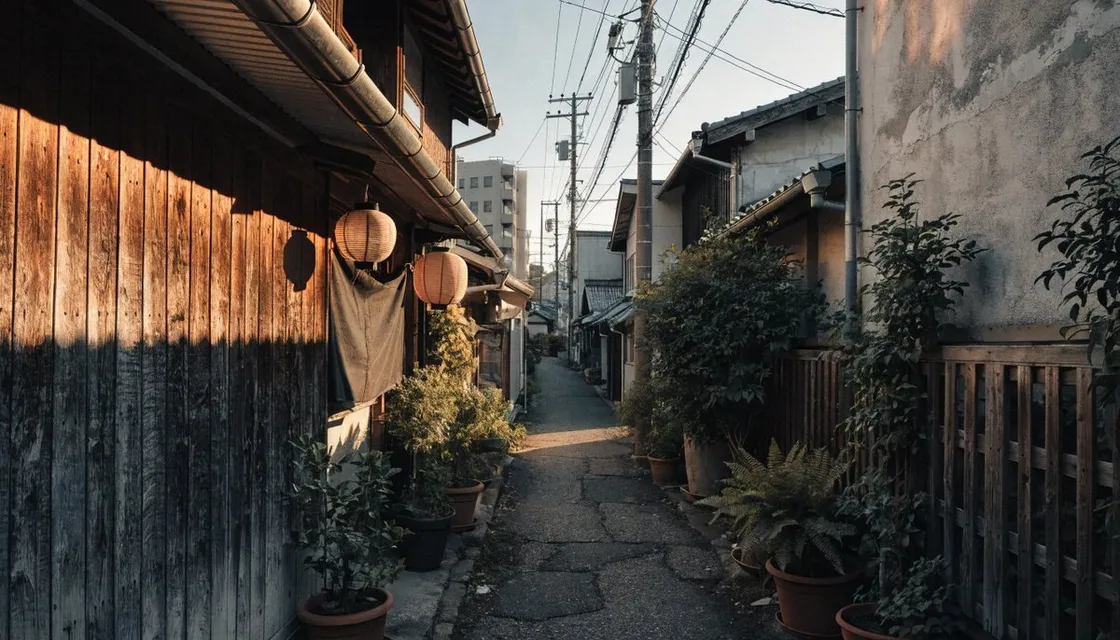
Here’s the thing worth knowing on day one: the best place to live in Tokyo is usually one or two stops down the local line from the district everyone talks about. The rent is kinder, the days are easier, and the neighborhood actually feels like a neighborhood instead of a stage set.
Plenty of nomads learn this the pricey way. A first month right by the big crossing, under the giant screens, inside the roar, is a thrill for about nine days.
Then it’s just loud and expensive and weirdly lonely, the way a place gets when a million people pass through it and none of them really live there. Move a few stops out, and Tokyo starts to feel like somewhere you could stay.
The postcard districts are where Tokyo performs. The neighborhoods one train over are where it lives.
So here are five worth basing yourself in, and what each one is quietly great for.
Shimokitazawa: creative work and slow afternoons
Six minutes from Shibuya, and somehow a different planet. Little lanes too narrow for cars, vintage shops, tiny theaters, coffee that people fuss over in the best way, and nobody in any particular hurry.
It suits work that likes a calm, curious backdrop, and it’s one of the rare corners of Tokyo where chatting with a stranger feels perfectly normal.
Koenji: cost and character
If Shimokitazawa is bohemian, Koenji is punk, and proud of it. Thrift shops stacked to the ceiling, live music leaking out of basements, izakaya where a whole night out costs less than one Shibuya cocktail.
Every August it throws one of Tokyo’s great Awa Odori festivals. It’s a little rough around the edges, which is exactly the charm.
The money stays in your pocket and the neighborhood still has a heartbeat.
Kuramae: focus by the river
Old wholesale buildings turned into craft studios, single-origin roasters, and design shops, all a short stroll from the Sumida River. It’s calm in a way central Tokyo just isn’t, and for anyone trying to actually get work done, that calm beats fast Wi-Fi.
It’s the pick for the days that need real focus.
Yanaka: perspective
Yanaka is what Tokyo looked like before the war and the bubble rebuilt everything in glass. Wooden houses, one temple after another, a famously unbothered cat population, and a shopping street that moves at the pace of a gentler century.
It’s the counterweight for the days when Tokyo’s nonstop newness gets to be a bit much.
Nakano: value without losing connectivity
The sensible, slightly sneaky-good option. One stop from Shinjuku, so you keep all the access, but the rent eases up and the streets feel human again.
Nakano Broadway is a wonderland of Japanese subculture, and the cheap eating around it is some of the best in the city. Location and personality, minus the central price tag.
How to pick between them
Match the neighborhood to what the work and life actually need, rather than to how famous the name is:
- Deep focus and calm: Kuramae, Yanaka
- Creative energy and community: Shimokitazawa, Koenji
- Lowest cost with character: Koenji
- Connectivity plus value: Nakano
And one thing quietly outranks all of it: how close you are to the train line you’ll use every day, and to your coworking space or go-to café. A neighborhood you adore but can’t easily get out of will lose to a plain one that fits your routine.
Every time.
You don’t really get a neighborhood by visiting it. You get it by becoming a little bit boring in it, in the nicest way.
A simple pattern
The approach that works is simple. Look up the famous district, find the local line running out of it, and take a base two or three stops down.
Spend a flexible first week wandering two of the five above, then sign the month-long lease once you know which one fits the way you actually work and spend.
The Tokyo worth living in was never on the postcard. It’s one train over, waiting for anyone who stays long enough to have a usual.
If you are weighing one of these against the better-known options, the Tokyo neighborhood comparison lines up seven mainstream areas on cost, transport and workspace.