Mobile and Internet in Japan: SIM, eSIM & Pocket Wi-Fi (2026)
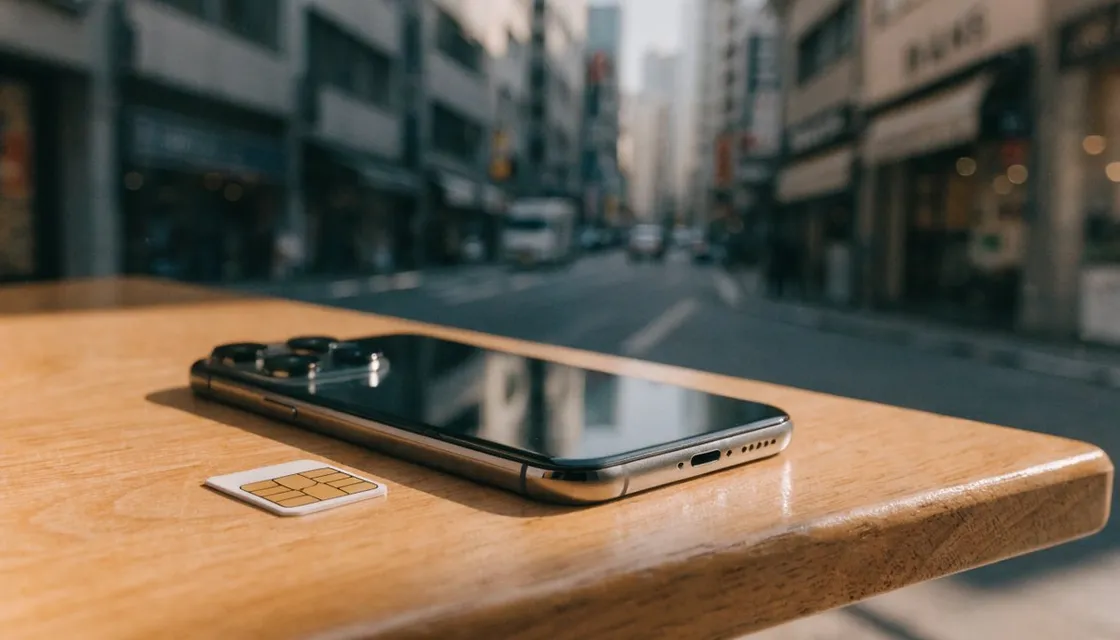
For most digital nomads, an eSIM is the easiest way to get online in Japan: buy it online before your trip, install it on a compatible phone, and connect the moment you land. Prepaid SIM cards suit phones without eSIM support, and pocket Wi-Fi suits groups or heavy laptop use.
One important 2026 rule: since April 1, 2026, Japan requires passport or residence-card ID for all SIM and eSIM purchases, including data-only plans.
eSIM: the easiest option for most
An eSIM is the simplest choice for most nomads. You buy one online before your trip, install it on a compatible phone, and connect on arrival with no shop visit or card swap.
Providers like Airalo offer many Japan plans across major networks, with competitively priced options on Docomo, KDDI, and SoftBank coverage. Short-term plans typically cover 7 to 14 days with a few gigabytes, while heavier users and remote workers can find larger or unlimited plans for around a month.
Prepaid SIM cards
Physical prepaid SIMs are still available and useful if your phone is not eSIM-compatible. They are sold at airports, electronics stores, and online.
The trade-off is the extra step of swapping cards and sometimes less flexibility than an eSIM. For most travelers with a modern phone, an eSIM is now the better default.
Pocket Wi-Fi
A pocket Wi-Fi device is a portable router that connects multiple devices at once. It suits groups, anyone who needs reliable laptop connectivity without tethering, or those wanting heavy data without touching their phone’s SIM.
You can rent one for your stay and return it before leaving. The downside is carrying and charging another device, but many nomads find it worth it for steady work-from-anywhere setups.
Important 2026 ID rule
Since April 1, 2026, Japan requires passport or residence-card identification for all SIM and eSIM purchases, including data-only plans. Have your ID ready when you buy or activate a plan, whether online or in person.
Which should you choose?
| Option | Best for | Notes |
|---|---|---|
| eSIM | Most travelers, one phone | Fast, cheap, no card swap |
| Prepaid SIM | Phones without eSIM | Buy at airport or online |
| Pocket Wi-Fi | Groups, heavy laptop use | Rent and return; extra device |
| Home fiber | Long stays with a rental | Fast but needs a contract |
For a short trip with one phone, an eSIM is fast and hassle-free. For a longer working stay, consider a larger eSIM plan or pocket Wi-Fi.
If you settle in for many months with an apartment, home fiber is fast and widely available but involves a contract and setup time.
FAQ
Do I need ID to buy a SIM or eSIM in Japan? Yes. Since April 1, 2026, a passport or residence card is required for all SIM and eSIM purchases, including data-only plans.
Is an eSIM or a physical SIM better for Japan? For most travelers with a modern phone, an eSIM is better: you can install it before departure and connect on arrival without swapping cards.
How much data do I need for Japan? For maps, transit apps, messaging, and search, a fixed plan of a few gigabytes is enough for short trips; remote workers should consider larger or unlimited plans.