The Case for Making Tokyo Your Asia Base
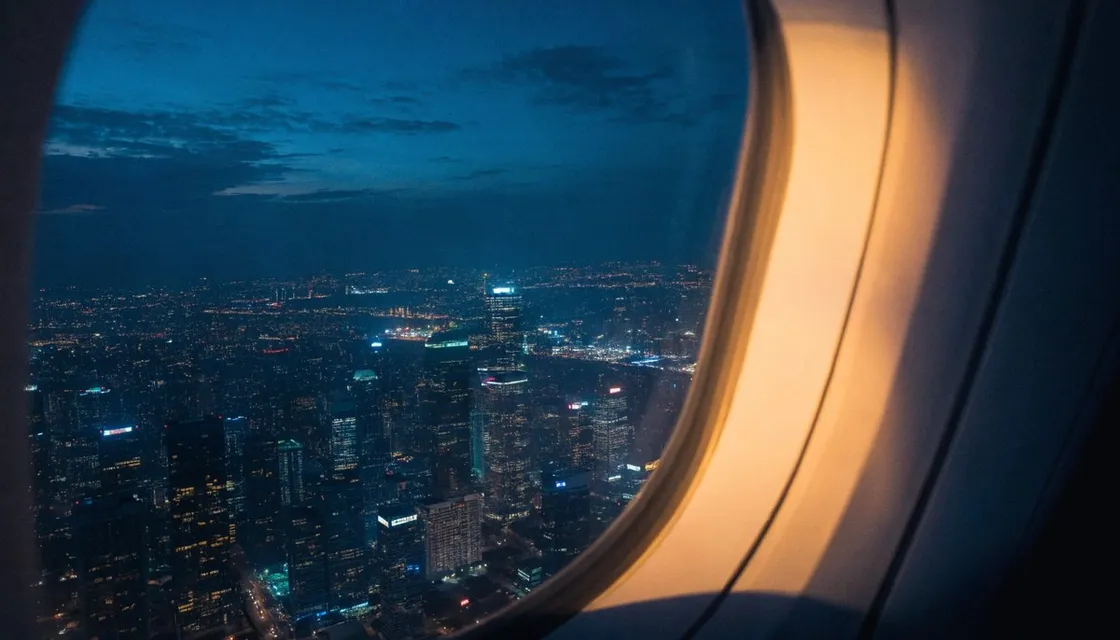
Most nomads do the same thing for their first couple of years: chase the cheap month. One city, then the next, then wherever the group chat says the Wi-Fi is fast and the rent is low.
It’s a lot of Asia seen and very little built, and the scattered, restless feeling that comes with it is hard to place until you name it.
Then comes a decision that sounds backwards to everyone: stop moving, make an expensive city the home base, and treat the cheap ones as weekend trips. Run the numbers on Tokyo, the city every nomad budget spreadsheet tells you to avoid, and the case is stronger than it looks.
Constant motion feels like freedom. Often it’s just friction with better photos.
The hidden tax of always leaving
Nobody adds up the cost of movement, because it never shows up as a line item.
Every relocation is a lost work week: the packing, the flight, the SIM card, the apartment hunt, the first three days of not knowing where to buy coffee. Do that monthly and you’ve quietly deleted a few productive months a year.
The rent was cheap; the output was cheaper. It’s easy to optimize the one number that’s visible, monthly rent, and ignore the one that actually pays: work shipped.
Tokyo is not cheap. But Tokyo is stable, and stability compounds in a way a low nightly rate never does.
A real desk. A doctor.
A gym you use more than twice. Friends whose last names you know.
A routine deep enough that the work gets genuinely good instead of perpetually interrupted.
Why Tokyo specifically
Plenty of cities are stable. What makes Tokyo a base rather than just a home is the airport, or rather two of them.
From Haneda and Narita, most of East and Southeast Asia is a short, frequent, often cheap flight away. Seoul is barely longer than a domestic hop.
Taipei, Hong Kong, Bangkok, Singapore, Manila, all reachable for a long weekend without wrecking your week. You get the stillness of a home base and the reach of a travel hub, which is the combination constant movement quietly fails to buy.
So the rhythm inverts. Instead of living in the cheap cities and occasionally visiting the expensive one, you live in the expensive one and visit the cheap ones on purpose, when you actually want to, not because the calendar says the month is up.
A base changes the trips, too
Here’s the unexpected part. Having a base doesn’t just fix the work.
It fixes the travel.
When every city has to be home, office, and adventure at once, no city gets to be great at any of them. But when Tokyo carries the home and the office, a trip to Bangkok can just be a trip: three days, no laptop guilt, no apartment hunt, no pretending a hotel is a life.
You come back to a place that’s still yours, where the plants are alive and the routine is waiting.
You travel less and enjoy it more. Scarcity turns it back into a treat instead of a logistics problem.
A trip is a joy. A permanent relocation is a job. It’s easy to do the second and call it the first.
The honest counterargument
This isn’t for everyone.
If your income is thin, Tokyo’s cost is a real wall, and the math that works for some won’t work for you: a genuinely cheap base plus rare splurge trips can beat an expensive base plus cheap ones. If you’re early, still figuring out what you do and who pays you, constant motion might be exactly the exposure you need.
The base strategy rewards people who already know their work and mostly need to stop sabotaging it.
But if you’ve been on the road long enough to feel that specific, scattered exhaustion, the sense of seeing everything and building nothing, the fix might not be a new city. It might be no new city: one good base, chosen for stability and reach, and the discipline to stay put long enough for something to grow.
Stop, then launch
The nomad instinct says freedom is the next flight. Sometimes it’s the opposite: a door you keep coming back to, in a city that’s a couple of hours by air from almost anywhere worth going.
Stop traveling Asia, and start living in Tokyo and visiting Asia. Same continent, same flights, a completely different life.