How to Experience Japanese Culture in Tokyo: Temples, Tea & Traditions
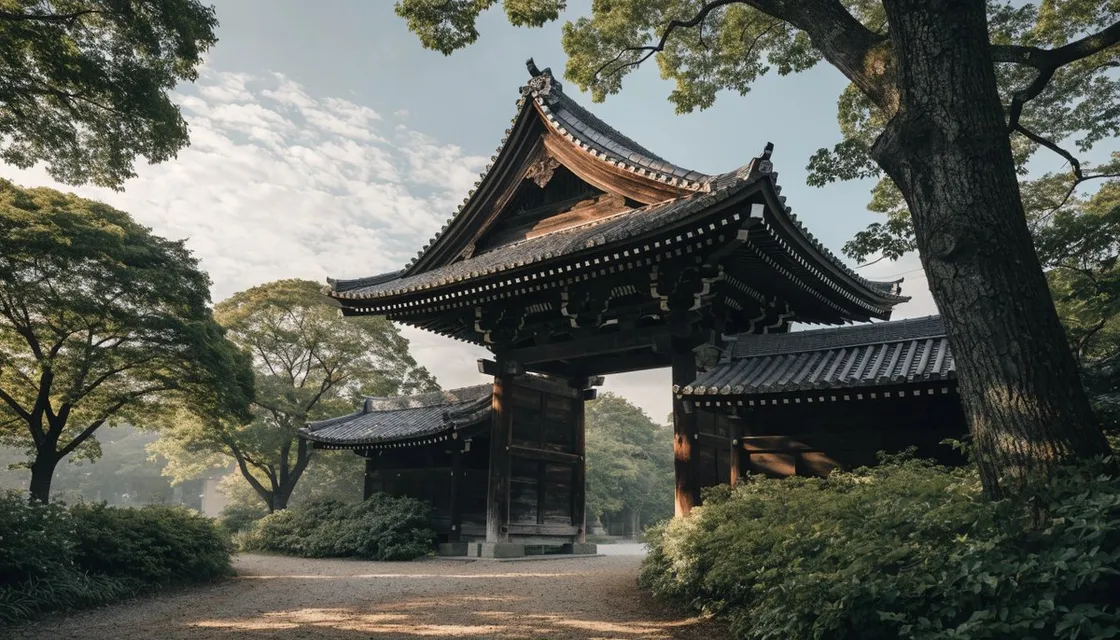
To experience Japanese culture in Tokyo authentically, combine four things: visiting temples and shrines, trying a traditional art like tea ceremony, living the seasonal traditions (hanami, festivals, New Year), and paying attention to everyday rituals like onsen, removing shoes, and slurping ramen. Living in Tokyo lets you experience culture slowly, as part of daily life rather than a checklist, which is something a short trip never can.
Temples and shrines
Tokyo is full of temples and shrines, from bustling Senso-ji in Asakusa to quiet neighborhood shrines on the way to the station. Visiting is free and open to everyone.
Learn the simple etiquette of purifying your hands, bowing, and offering a coin, and these spaces become moments of calm in a fast city. Meiji Shrine, set in a forest beside Harajuku, is a striking example of nature and tradition in the middle of Tokyo.
Tea ceremony and traditional arts
For a deeper experience, book a tea ceremony, where the careful ritual of preparing and drinking matcha reveals a whole philosophy of attention and hospitality. Many studios offer sessions in English.
The same goes for calligraphy, ikebana flower arranging, and kimono wearing: short, beginner-friendly experiences that give you a real feel for the craft rather than just a photo.
Living the seasonal traditions
Japanese culture is deeply tied to the seasons, and Tokyo lets you live this rhythm. Cherry blossom viewing in spring, summer festivals with yukata and fireworks, autumn foliage, and New Year shrine visits are not tourist events but shared national rituals.
Joining them, even simply by sitting under the blossoms with a convenience-store lunch, connects you to the culture more than any museum.
Everyday rituals that carry deep meaning
Some of the most meaningful cultural experiences are ordinary: soaking in a public bath or onsen, slurping ramen at a counter, bowing as you enter a shop, removing your shoes at the door. These everyday rituals carry centuries of custom.
Paying attention to them, and following them respectfully, is how you move from observer to participant.
Learn a little language
You do not need fluency, but a handful of phrases transforms your experience. A polite greeting, a thank you, and an apology open doors and earn warmth.
Pair that with curiosity and respect, and Tokyo rewards you with a version of Japan that short-term visitors rarely see, lived from the inside, one season at a time.
FAQ
Can you experience a tea ceremony in Tokyo in English? Yes. Many tea ceremony studios in Tokyo offer beginner-friendly sessions in English, often bookable online.
Do you need to pay to visit temples and shrines in Tokyo? Most shrines and many temples are free to enter, though some temples charge a small fee for special halls or gardens.
What is the best season to experience Japanese culture in Tokyo? Spring (cherry blossoms) and the New Year period are especially rich, but every season has its own festivals and traditions.