Tokyo Stationery Shops: Analog Tools That Make Remote Work Better
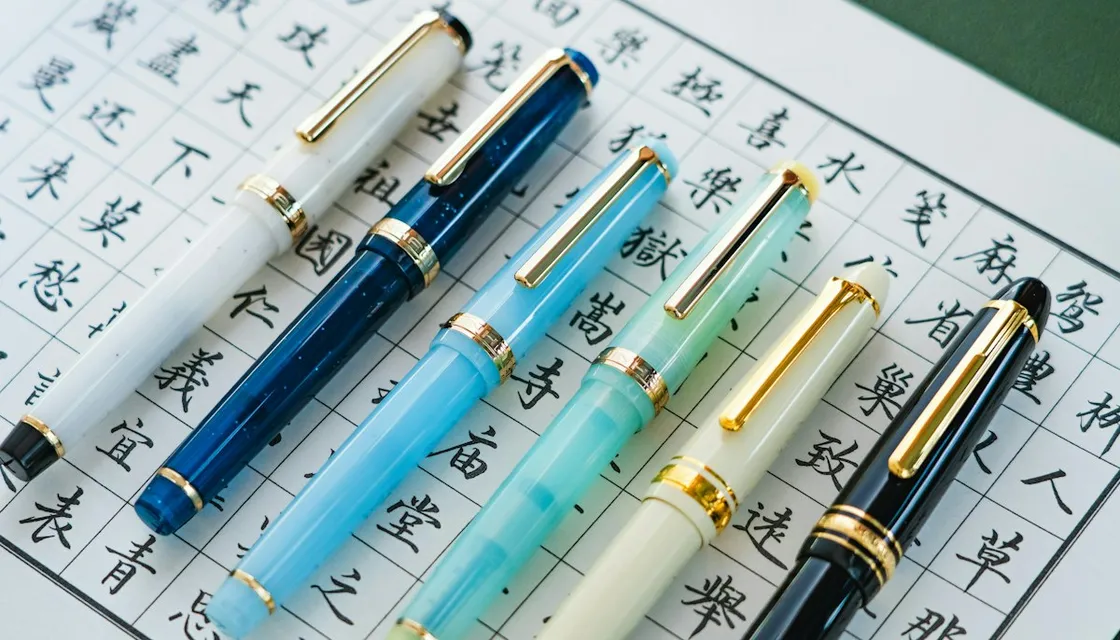
If your whole working day in Tokyo happens inside a laptop, the cheapest upgrade you can make is probably a notebook and a pen from a shop down the street.
Forget productivity systems. Think of it as a second surface.
Tokyo happens to be one of the best cities in the world to buy one, and the shops themselves make a cheap, easy break from the screen.
At a glance
| Topic | What to know |
|---|---|
| Prices | A really good gel pen usually costs a few hundred yen, and a well-made notebook is often in the low thousands |
| Where to start | Department-store and lifestyle floors like Loft or Hands. Most put out testing pads |
| Specialist shops | G.Itoya in Ginza and Sekaido’s main store in Shinjuku |
| Custom notebooks | Kakimori in Kuramae |
| Everyday supplies | Variety stores and 100-yen shops are perfectly fine |
| Small kit | One A5 or B6 notebook (grid or dot), one pen you really like, a few sticky-note pads, one folder for receipts and paperwork |
| Flying | Carry fountain pens empty, or nearly full and upright. Bottled ink counts as a liquid |
Why paper still helps in a digital workflow
Remote work squeezes everything into one rectangle. Planning, doing, talking, and worrying all happen on the same glowing screen, which is partly why a long day can blur into one gray stretch.
Paper pulls some of that out into the physical world.
A split a lot of nomads land on is simple: the screen holds the work, and the paper holds your thinking about the work. Tomorrow’s three priorities, a rough sketch of a client’s process, the question you want to ask on the next call.
None of that needs to sync. It just needs to be where you can see it while your hands are busy.
The point of the notebook is not to store more. It is to hold the few things you would otherwise keep re-opening a tab to check.
If you work across time zones, there’s another small win. When your calls run late and your afternoons are loose, one sheet of paper with the shape of your day on it gives you more sense of control than any app.
What Tokyo does differently
Japanese stationery is built on one idea: an everyday object should feel good the hundredth time you use it, not just impress you the first time.
You notice it within a week.
Pens that write smoothly on thin paper without bleeding through. Notebooks that lie flat instead of fighting your wrist. Paper weights and rulings picked for particular kinds of writing, not one default for everything.
Prices cover a wide range too. A really good gel pen usually costs a few hundred yen, and a well-made notebook is often in the low thousands, so trying things out rarely feels like a big decision.
If you plan to browse, a few words help.
Stationery is 文房具 (bungu). A notebook is ノート (nōto), and it doesn’t mean a laptop here. Refills are 替芯 (kaeshin), and grid paper is 方眼 (hōgan).
Types of stationery shops
It’s easier to find your way around Tokyo stationery if you think in types of shop rather than individual names.
Department-store and lifestyle floors. Big general retailers like Loft or Hands, often on an upper floor of a building next to the station, carry a wide selection you can take in at a glance.
If you don’t know what you want yet, start here. Most branches put out testing pads so you can try before you buy.
Specialist stationery houses. Ginza and Shinjuku both have multi-floor stationery destinations, like G.Itoya in Ginza and Sekaido’s main store in Shinjuku, which specializes in art supplies. A whole floor might be just paper, or just pens, or just desk accessories.
The staff really know their products, and you will lose an hour.
Neighborhood craft and paper makers. Kuramae in particular is known for small studios like Kakimori, where you build a notebook from the covers, paper, and binding you choose.
It’s more of an afternoon out than an errand, and a good plan for a rainy day.
Discount and everyday chains. For the boring stuff that keeps a temporary desk running, like refills, sticky notes, and clear files, variety stores and 100-yen shops are perfectly fine. Not everything has to be nice.
Bigger secondhand book districts, Jimbocho especially, often have stationery counters tucked in among the books, which makes for a nice way to do two errands at once.
A small kit you can carry
In a good Tokyo stationery shop, it’s tempting to buy a whole system. What actually survives life in a suitcase is much smaller.
One notebook in A5 or B6 is usually the sweet spot: big enough to sketch a diagram, small enough to live in a daypack. If you mix writing with diagrams, grid or dot paper is more flexible than lines.
One pen you really like beats four you put up with. If you’re moving between climates and altitudes, a gel pen or ballpoint behaves more predictably than a fountain pen.
Add a few sticky-note pads and one folder for receipts and residence paperwork, and you’ve covered most of what a working stay in Japan will throw at you.
Buy the thing you will use tomorrow. The beautiful object you are saving for the right project usually stays saved.
If you live out of a bag, watch the weight. Paper is heavier than it looks, and a stationery habit is one of the sneakier ways a light setup gets heavy.
Stopping by a shop as a break
These places have a second use that has nothing to do with buying.
A stationery floor is quiet and bright, needs no reservation, and asks nothing of you socially.
On a day when your focus has gone flat and you can’t face another café, twenty minutes of browsing does a surprisingly good job of resetting you.
It also gives a walk some purpose. Lots of nomads find that a short errand plus a longer route through a neighborhood they don’t know beats either a plain walk or a plain errand.
Try some pens. Look at paper. Buy nothing. Go back to work.
FAQ
Do I need Japanese to shop for stationery in Tokyo?
Not really. Most products explain themselves and testing pads are common, so you can judge a pen without asking anyone.
Staff at bigger stores can often help in basic English, and for refills, just bring the empty one and point.
Is Japanese stationery expensive?
It depends what you buy. Everyday pens and notebooks are cheap by most standards, while custom or limited-edition items can get pricey. Since the affordable end is genuinely good, you don’t have to spend much to get something you’ll enjoy using.
Can I take fountain pens and ink on a flight?
Fountain pens can leak when cabin pressure changes, so many travelers carry them empty, or nearly full and upright.
Bottled ink counts as a liquid and falls under the usual carry-on rules, so it’s worth two minutes to check your airline’s and departure airport’s current requirements before you fly.