Tokyo by Season: Festivals and Events Year-Round
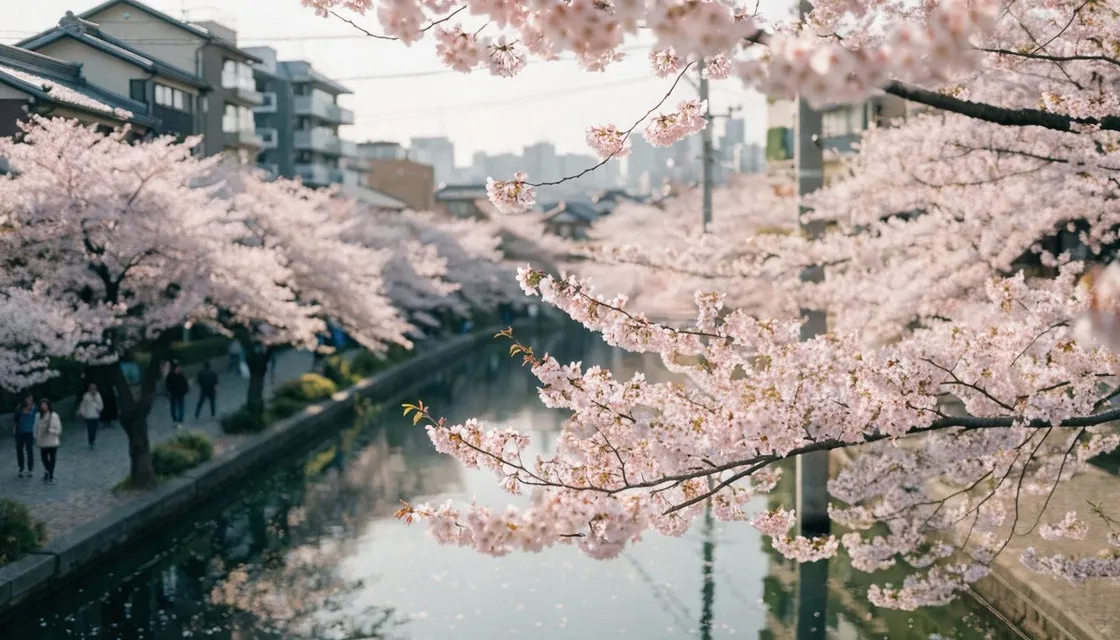
Tokyo changes a lot with the seasons. Spring has cherry blossoms and hanami picnics, summer has festivals and fireworks, autumn has mild weather and bright foliage, and winter has illuminations and New Year traditions.
Spring and autumn are the most comfortable and the prettiest, summer has the busiest festival calendar, and winter has the most distinctive cultural rituals.
Stay a while and you get to see the whole cycle.
Spring: cherry blossoms and new beginnings
Spring is the season Tokyo loves most. From late March into April, cherry blossoms turn parks, riversides, and streets pink, and everyone heads outside for hanami (blossom viewing) picnics in places like Ueno, Yoyogi, and along the Meguro River.
It’s also when the school and business year starts, so there’s a fresh, hopeful feel around town.
Spring brings the year’s first crowd problem, too. Golden Week, the run of national holidays on April 29 and May 3 to 5, is when a big chunk of Japan travels at the same time.
If you’re planning a trip out of Tokyo around then, book trains and rooms early. Or stay put and enjoy a quieter city center.
On a weekend in mid-May, Asakusa’s Sanja Matsuri fills the streets around Asakusa Shrine with portable shrines (May 15 to 17 in 2026). If you live near Asakusa, expect those streets to be packed all three days.
Summer: festivals and fireworks
Summer is hot and humid, but it’s also festival season. Neighborhood matsuri fill the streets with food stalls, drumming, and dancing, and big fireworks shows light up the rivers while crowds turn out in colorful yukata.
The big ones come around on a yearly schedule, so you can plan for them:
- Sanno Matsuri at Hie Shrine, in June. The grand procession through central Tokyo only happens in even-numbered years: 2026 had one (June 7 to 17), so the next is 2028.
- Sumida River Fireworks, usually on the last Saturday of July along the river in Taito and Sumida wards (July 25 in 2026). Asakusa and Kuramae get very crowded that evening.
- Tokyo Koenji Awa Odori, a Saturday and Sunday in late August around JR Koenji and Shin-Koenji stations (August 29 and 30 in 2026, 5 to 8 PM).
The 2026 editions are over, and the 2027 dates weren’t up yet on the official pages we checked in October 2026. Check each official site before you make plans.
Mid-August is Obon, when lots of people go back to their hometowns. Long-distance trains and flights out of Tokyo get busy that week.
Drink plenty of water, make the most of the evenings, and let the festivals carry you along.
Autumn: foliage and comfortable days
For comfort, autumn is hard to beat: mild temperatures, clear skies.
The leaves change later than many visitors expect, though. In central Tokyo, the Japan Meteorological Agency’s normal dates put ginkgo yellowing around November 23 and maples turning red around November 28. So gardens like Rikugien and the Imperial Palace grounds usually look their best from late November into December, not in early November.
It’s great weather for long walks, day trips, and afternoons working from a café, and seasonal food starts showing up everywhere.
Winter: illuminations and New Year
Winters are cold but mostly dry and sunny. Through December the city is lit up with elaborate illuminations, and New Year is the cultural peak: shrine visits (hatsumode), special foods, and a rare stretch when the whole city goes quiet.
If a longer stay takes you through a Japanese New Year, it’ll probably be one of the things you remember most.
What the seasons mean for a working stay
- Rainy season: in the Kanto region it usually runs from around June 7 to July 19 (the Japan Meteorological Agency’s normal dates).
- Typhoons: September has the most typhoon approaches to Kanto, followed by August and October. Leave some slack around flights.
- Heat: on very hot days the government issues heatstroke alerts. Do outdoor errands in the morning.
- Year-end closures: national government offices close from December 29 to January 3, and banks from December 31 to January 3. Check your ward office’s year-end schedule and get paperwork and bank tasks done before then.
Which season should you choose?
| Season | Weather | Highlight |
|---|---|---|
| Spring | Mild | Cherry blossoms, hanami |
| Summer | Hot, humid | Festivals, fireworks |
| Autumn | Mild, clear | Foliage, comfortable days |
| Winter | Cold, dry | Illuminations, New Year |
If you’re flexible, spring and autumn are the most comfortable. Summer is best for festivals, winter for traditions.
Whichever you pick, plan your trips and outings around what’s on, and you’ll start to notice how the city keeps shifting under the surface.
FAQ
When is cherry blossom season in Tokyo? Usually late March into early April, but it moves around each year depending on the weather.
What is the best season to visit Tokyo? Spring and autumn are the most comfortable and the prettiest. Summer has the most festivals, and winter the most distinctive traditions.
Are there festivals in Tokyo year-round? Yes. Summer has the most, but every season has festivals, seasonal events, and traditions you’ll want to plan around.