Is Tokyo Cashless? Paying by Suica, IC Card and QR Code
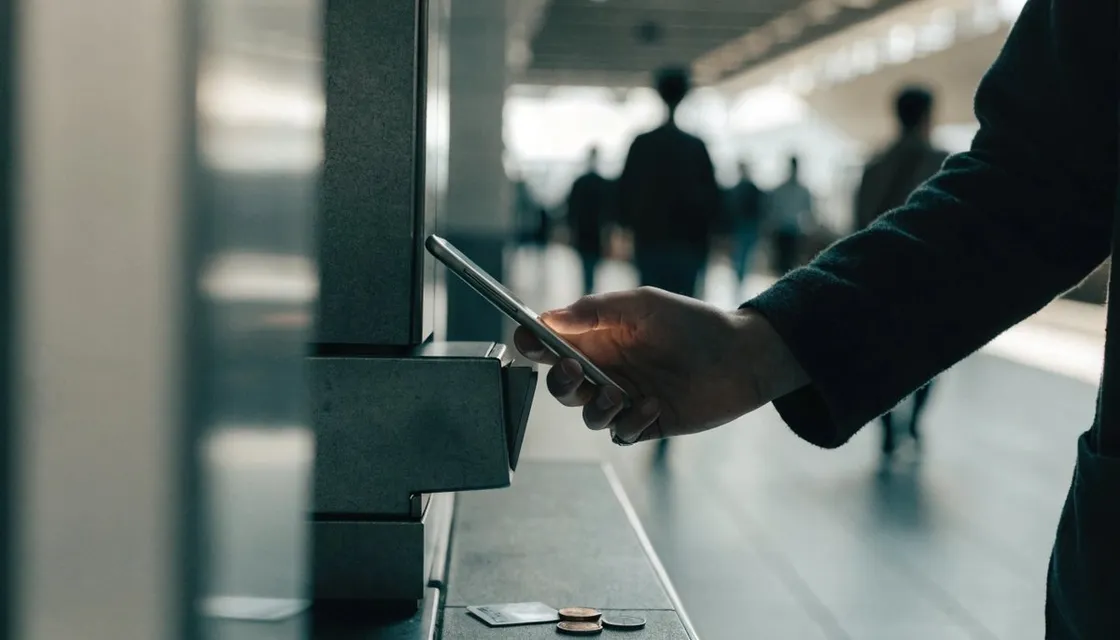
Japan has a reputation as a cash country, and that reputation is now about a decade out of date for anyone living in central Tokyo. For a remote worker, the practical setup is simple: put a Suica in your phone, add one QR payment app, and keep a modest amount of cash for the handful of places that still need it.
With that combination you can get through most days without opening your wallet.
The single most useful move is the transit IC card, because it does far more than trains. Once it lives in your phone, the same tap pays at convenience stores, vending machines, many restaurants, and station lockers, and you stop thinking about small change entirely.
In Tokyo the goal is not to go fully cashless, it is to make cash the rare exception rather than the daily default.
Start with a mobile IC card
Suica and PASMO are the two big transit IC cards, and for daily life they are interchangeable. The reason to prioritize them is coverage: they are accepted almost everywhere small payments happen, they work with a single tap, and they never ask you to sign or enter a PIN.
If you carry an iPhone or an Apple Watch, you can add a Suica directly in the Wallet app and top it up from a card already stored there, which is the smoothest path and does not require a physical card at all. Many Android phones sold outside Japan do not support the local FeliCa chip, so if your Android device cannot add a mobile Suica, the fallback is a physical card.
Note that during periods of chip shortages the plain unregistered cards have sometimes been limited, though Welcome Suica and mobile options generally remain available. Treat any specific rule you read as something to verify, since these details change.
Topping up is the one habit worth building. You can reload at any station fare-adjustment machine with cash, and mobile cards can usually reload from a linked payment card in seconds.
Keeping a few thousand yen of balance on it means you rarely get caught out at a gate or a register.
Add one QR payment app
Where the IC card does not reach, Japan’s QR payment apps usually do. PayPay is the most widely accepted, and rivals like Rakuten Pay and d Barai cover similar ground.
These are the codes you see propped up on counters at small restaurants, markets, and independent shops that may not take foreign credit cards.
For a long time these apps effectively required a Japanese phone number and bank account, but that has loosened. As of July 2026, PayPay can generally be registered with an overseas mobile number that can receive international SMS, and topped up with cash at convenience store ATMs such as Seven Bank and Lawson Bank, so a Japanese bank account is not strictly required.
Without identity verification, which usually needs a Japanese address, your balance is capped and some features like sending money to friends stay locked, but everyday paying works. This is a fast-moving area and the exact rules vary by country and app version, so treat the above as the picture in mid 2026 and confirm the current requirements in the app when you register.
If you would rather skip the setup on a short trip, an IC card plus a contactless credit card still covers most of what you need.
Contactless credit cards fill the gaps
Tap-to-pay on a Visa or Mastercard has spread quickly in Tokyo, and many chains, department stores, and larger restaurants now take it. For a visitor this is often the easiest bridge, since your existing card works without any local setup, and some train systems have begun accepting contactless bank cards directly at the gate on certain lines.
A practical note on foreign cards: acceptance is good in central, modern, and tourist-facing places, and thinner as you move into small local businesses. The layered approach, IC card first, credit card second, cash as backup, is what keeps you from ever being stuck at a register.
When you still need cash
Cash has not disappeared, and a nomad who carries none will eventually hit a wall. Small older restaurants, some izakaya, certain clinics, older ryokan, local festivals and market stalls, and many temples and shrines still prefer or require yen.
Splitting a bill with friends is also far easier with cash than with a patchwork of apps.
The convenient truth is that getting cash is easy. Convenience store ATMs, especially at 7-Eleven and the machines branded as those in Lawson and FamilyMart, generally accept foreign cards around the clock and are the reliable option when a bank ATM will not read your card.
Carrying enough for a day or two, rather than a week, is usually the right balance.
Keep a small emergency note folded in your bag, because the one place that does not take cards is always the one you did not plan for.
A simple setup that just works
For most remote workers, the whole system comes down to a short checklist. Put a Suica or PASMO in your phone and keep a balance on it.
Carry a contactless credit card for larger and chain purchases. Add PayPay if you have a Japanese number and account.
Keep a modest cash reserve and know where the nearest convenience store ATM is. That combination covers trains, konbini, restaurants, shops, and the occasional cash-only holdout without much thought.
The reason this matters beyond convenience is focus. Fumbling for coins, failed card taps, and wondering whether a place takes plastic are exactly the small frictions that break a working rhythm.
Getting payments sorted in your first week is one of the quiet things that makes Tokyo feel easy to live in.
FAQ
Do I need a Japanese bank account to go cashless? Not for the basics. A mobile or physical IC card plus a contactless foreign credit card covers most situations.
As of July 2026 you can often register a QR app like PayPay with an overseas number and top it up with cash at convenience store ATMs, while a Japanese account and address mainly unlock higher limits and extra features. These rules change, so verify the current requirements when you sign up.
Suica or PASMO, which should I get? For everyday use it rarely matters, as both are accepted in the same places and work the same way. Pick whichever your phone can add most easily, and if you use an iPhone, adding a Suica in the Wallet app is usually the simplest route.
Is it rude to pay with a card or phone at small shops? No, but always check first, since many small or traditional businesses are cash only and a reader on the counter is your cue. When in doubt, a quick glance for payment logos or a simple question saves an awkward moment at the register.