When Your Laptop Dies in Tokyo: Repair, Replace, Keep Working
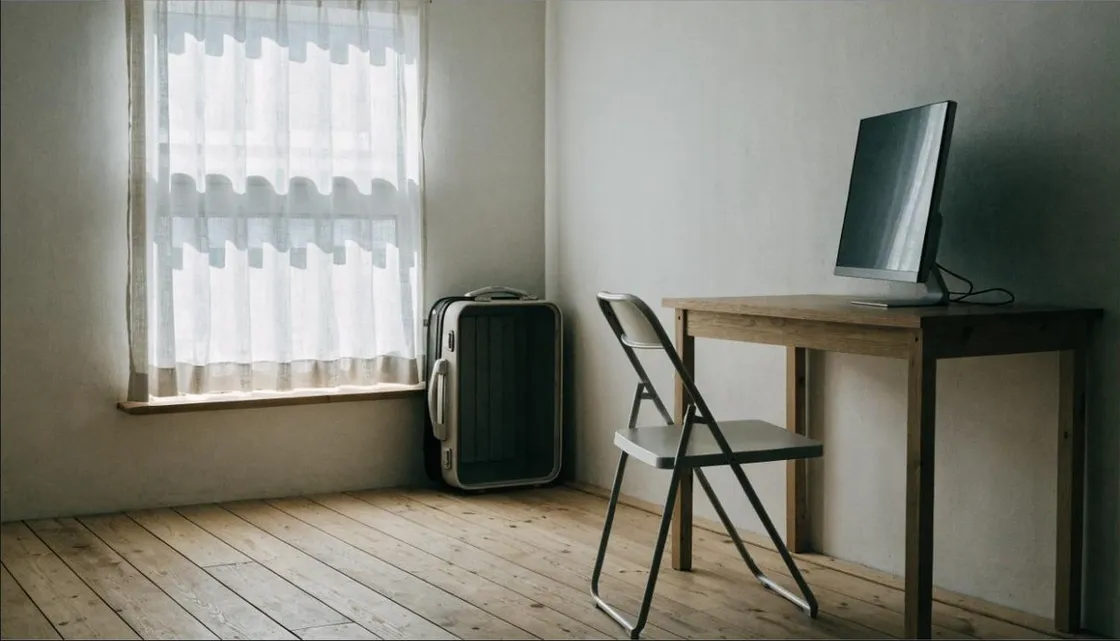
Here is the reassuring part, up front: Tokyo is one of the easiest cities in the world to be in when your laptop stops working.
Parts are available. Shops are dense. Same-day replacement is realistic if you have the budget, and a stopgap machine is never far away.
The hard part is almost never the electronics. It is the paperwork, the language of the intake form, and the fact that your machine was bought in another country.
The city can fix your laptop faster than it can fix your assumptions about warranty coverage.
Before anything else: separate the three problems
When a machine dies, three questions get tangled together, and untangling them is most of the work.
Can I get my data? Can I get this machine repaired? Can I keep working this week?
They have different answers and different urgencies. The third one is usually the one your clients care about, so solve it first with a rental, a net café, or a cheap bridge device, then take your time on the other two.
Panic-buying a replacement on day one is how people end up with a Japanese keyboard layout they will resent for two years.
Apple: the Ginza reflex, and the better option
Most people’s first instinct is the Apple Store in Ginza or Shinjuku. That works, but the Genius Bar in central Tokyo books out, especially on weekends, and walk-ins are a gamble.
Reserve online before you travel across the city. The support site and the Apple Support app both handle this, and both work in English.
The quieter option is an Apple Authorized Service Provider. Several operate around Tokyo, often inside or near large electronics retailers, and they tend to have shorter queues than the flagship stores.
AppleCare and Apple’s limited warranty generally have international reach, but coverage details and turnaround vary by model and by which parts are stocked in Japan. Confirm your specific case rather than assuming.
Bring your passport and your residence card if you have one. Bring the original purchase record if you can produce it digitally.
Windows, Linux, and everything that is not Apple
Large electronics retailers such as Bic Camera and Yodobashi run repair counters that accept machines they did not sell, though the terms differ and non-Japanese models can be refused or quoted long lead times.
Akihabara is the specialist district. Shops there handle board-level repair, screen and battery replacement, and data recovery, and many are used to older or unusual hardware.
Manufacturer service in Japan is the cleanest route when it is available to you, but international warranty on Windows laptops is far less consistent than Apple’s. Some brands honour it, some cover only the region of purchase, and some will service the machine happily as a paid repair.
That last outcome is not a failure. A paid repair completed this week often beats a free repair completed next month in another country.
The language layer
Intake forms are usually Japanese, and this is where people stall.
Write your symptom description in Japanese before you go. A translated paragraph on your phone, ready to show, covers most of it: what happened, when it started, what you already tried, and whether the machine was dropped or exposed to liquid.
Say clearly whether you want the data preserved. This is the single most important line, and it is worth having translated word for word.
Be prepared for a consultation fee and a diagnosis window rather than an immediate answer. Shops in Japan tend to under-promise, then deliver on time.
If you need to buy today
Akihabara, plus the big-box retailers around Shinjuku, Ikebukuro and Yodobashi’s flagship stores, will get you a working machine the same afternoon.
Two things to check before you pay.
Keyboard layout: most laptops sold in Japan use JIS, with a shorter space bar and differently placed symbols. US layout exists but is a special order at some retailers and a stock item at others, so ask specifically.
Tax-free purchase: available to short-term visitors under certain conditions, with the passport requirement and spending thresholds set by current rules. It does not apply to residents, and the rules change, so treat it as a bonus rather than a plan.
Refurbished and used machines are a real option here. Japan’s second-hand market is unusually well-graded, and a mid-range used laptop can carry you until you get home to your own warranty.
The bridge: working without your machine
Net cafés give you a private booth with a PC, a screen, and unlimited drinks, which is enough for browser-based work and email triage.
Coworking spaces sell day passes, and several rent equipment. Some hotels lend laptops. Rental services exist for short-term hardware, though they usually want a Japanese address and payment method.
If your phone is healthy, an iPad or a cheap tablet with a keyboard case covers far more of a normal workday than people expect.
Tell clients early. A one-line message on day one buys more goodwill than a perfect explanation on day four.
The boring part that actually saves you
Everything above gets easier if your work is not sitting on a single disk in your bag.
Cloud sync on active project folders. A password manager you can reach from any browser. Two-factor recovery codes stored somewhere that is not the dead laptop. A note of your serial number and purchase date.
That last one takes two minutes and is the item most people are missing at exactly the moment they need it.
FAQ
Will my international warranty work in Japan?
Sometimes. Apple’s coverage is generally the most portable, though details vary by model and parts availability. Windows brands differ widely, and some limit service to the region of purchase. Check with the manufacturer’s Japan support before you carry the machine across the city.
Can I get data recovered from a drive that will not boot?
Yes, specialist services operate in Tokyo, including in Akihabara. Expect a diagnosis stage, a quote, and a wait. Say explicitly at intake that data preservation matters more to you than a fast repair, because those two goals sometimes pull in opposite directions.
Is it cheaper to repair or replace?
It depends on the machine’s age and the failed component. Screens and batteries are usually worth repairing. Logic board failures on an older laptop often are not. A used machine from Japan’s second-hand market sits between the two and is worth pricing before you commit either way.