Monzen-Nakacho for Remote Workers: A Shrine-Town Base
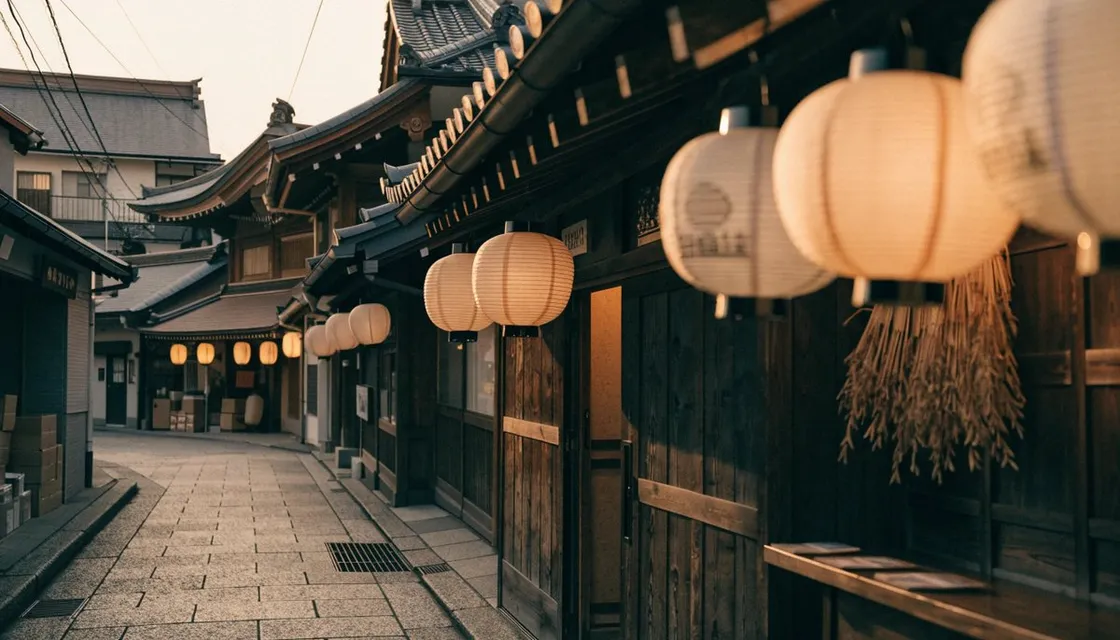
Monzen-Nakacho is a good base if you want old Tokyo, cheap evenings, and a short ride to the center.
It is not a coworking district. It is a shrine town where the work happens at your own table and the reward comes after six.
What kind of place it is
The name means roughly “the town in front of the gate.” It grew up around Tomioka Hachimangu, a large shrine in Koto ward, and the temple Fukagawa Fudodo next to it.
Around them you find the shopping street along the approach to the temple and shrine, small family shops, and a dense cluster of izakaya, sushi counters, and sweet shops.
The feel is closer to a working neighborhood than a destination. Locals shop here every day, and that keeps prices sensible.
The best nomad towns are the ones that would carry on perfectly well without you.
Getting in and out
Two subway lines meet at the station: the Tozai line and the Oedo line. Between them you can reach Otemachi, Nihonbashi, and Shinjuku without much fuss, and many nomads find the ride into central Tokyo comfortably short.
That is the real selling point. You live somewhere calm and cheaper, and the busy districts are a single train away.
Check the exact transfer times for your own route before you book. Timetables and platforms change, and it is worth a minute on a map app.
Working from here
Here is the honest part. Monzen-Nakacho has fewer laptop-friendly cafes than Kuramae or Kiyosumi-Shirakawa.
You will find some independent cafes and a few chain options, but plan on a reliable setup at your accommodation. A quiet desk, a good chair, and stable wifi matter more here than anywhere with a cafe on every corner.
If you want to change scenery, the neighboring area is the answer. Our Kiyosumi-Shirakawa guide covers the roasters and gallery cafes a short ride away, which makes a good mid-week work-from-cafe day.
Public libraries in Koto ward can also work for focused hours. Rules on laptops and seating differ, so look at the posted notices when you arrive.
Eating and drinking
This is where the neighborhood earns its reputation. Izakaya here lean traditional, with counters, small plates, and regulars who nod when you walk in.
A few things nomads tend to appreciate:
- Lunch sets that cost noticeably less than in Marunouchi or Shibuya.
- Standing bars and small counters that welcome solo diners.
- Local specialties from the Fukagawa area, including clam-based dishes that are worth asking about.
For the standing-bar side of Tokyo, see our guide to tachinomi. Monzen-Nakacho is a natural place to try the format.
Evenings can get lively, especially on weekends. If you are a light sleeper, ask about street noise before you commit to a room.
A weekend rhythm
The area rewards slow walking. Visit the shrine grounds in the morning, when it is quiet, then follow the nearby canals and riverside paths.
On several days each month, the shrine grounds and streets fill with stalls and antiques. Dates vary, so check the shrine’s own announcements before planning around them.
The Fukagawa Hachiman festival, held around August 15, is famous for crowds throwing water on portable shrines. The full-scale version, the hon-matsuri, comes once every three years, when 53 neighbourhood mikoshi parade together; other years are smaller. In a hon-matsuri year it is a wonderful thing to see, and a loud one if you need to work that week.
Who it suits, and who it does not
It suits people who like neighborhood life, cook or eat out locally, and do not need a cafe culture around them.
It suits less well anyone who wants a polished, English-friendly coworking scene on the doorstep. For that, look at our overview of Tokyo coworking spaces.
FAQ
Is Monzen-Nakacho good for a monthly stay?
Yes, if you are comfortable working mostly from your accommodation. Monthly apartments tend to be better value here than in the central wards, though availability varies.
Is it easy to get to Haneda or Narita?
It is workable with a transfer or two. Check a route planner for your flight times, and leave a margin on heavy-luggage days.
Do you need Japanese?
Not strictly. Many shops are used to visitors, and menus are often simple. A few polite phrases go a long way in family-run places.