Where to Stay in Tokyo: Monthly Apartments vs Share Houses (2026)
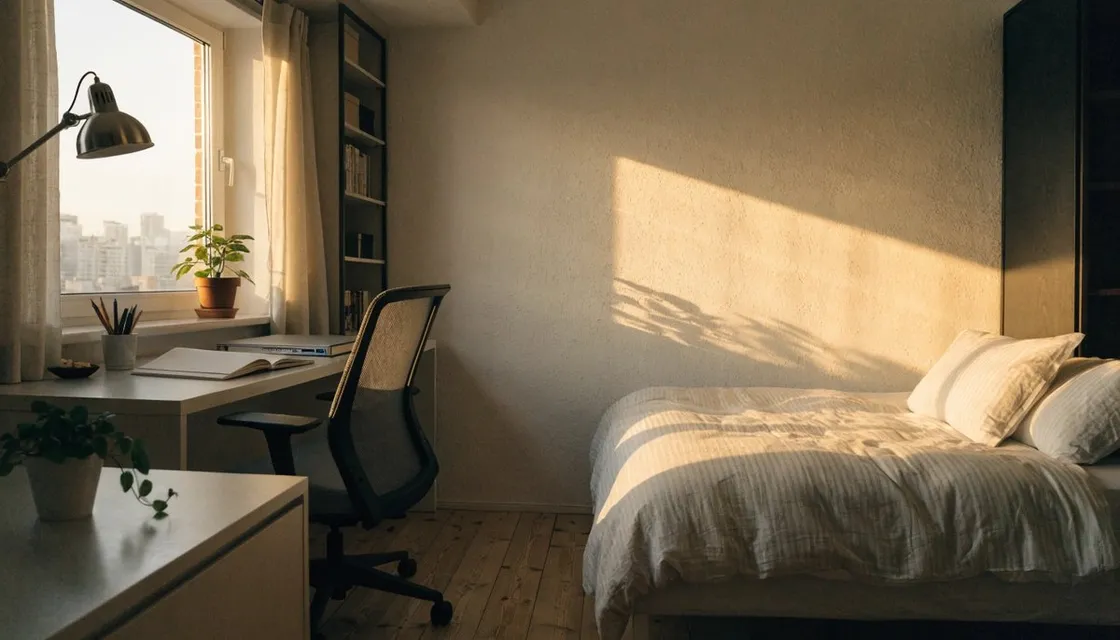
If you’re staying in Tokyo for a month or more, you have four main options: furnished monthly apartments, share houses, serviced apartments, and registered short-term rentals.
Monthly apartments give you the most privacy, share houses are the cheapest and come with people to hang out with, serviced apartments are the most convenient, and short-term rentals can tide you over for your first week, if your dates are free.
Which one’s right for you comes down to budget, how much privacy you need, and how much company you want.
How the main options compare
| Type | Privacy | Cost | Best for |
|---|---|---|---|
| Monthly apartment | High | Mid | Solo nomads, couples wanting their own space |
| Share house | Low–Mid | Low | Meeting people, instant community, budget stays |
| Serviced apartment | High | High | Short mid-term stays with minimal admin |
| Short-term rental (minpaku) | High | Mid–High | A first week while you explore, if your dates are available |
What is a monthly apartment in Tokyo?
A monthly apartment (sometimes called a “monthly mansion”) is a fully furnished place you rent by the month. The bed, kitchen, Wi-Fi, and utilities usually come bundled into one price. No setup hassle, no long lease.
One thing to ask before you book: “Wi-Fi included” can mean a fixed line or a pocket router, so if you’ll be working online all day, check which it is and what speed to expect.
For solo nomads or couples, it’s the most private and comfortable option, and the quickest way to feel at home. It costs more than a share house but a lot less than a hotel, and prices vary widely by neighborhood and size.
Are share houses good for digital nomads?
Yes. You get a private room and share the kitchen, bathrooms, and lounges. Nomads like them for two reasons: they’re cheaper, and you’re living with people from day one.
Many are openly international, mixing Japanese and foreign residents, and some run regular events.
If you land in Tokyo not knowing anyone, a share house sorts out your housing and your social life in one go. What you give up is privacy, and you’ll be sharing facilities.
What it actually costs: one operator’s numbers
Prices change with the season and availability, so treat these as a snapshot, not a quote. On 16 October 2026, Sakura House, which has rented furnished rooms to non-Japanese residents in Tokyo since 1992, showed these monthly prices in its room search:
| Room type | Monthly price shown |
|---|---|
| Dormitory bed | from ¥64,000 |
| Private room in a share house | ¥79,000 to ¥120,000 |
| Furnished apartment | ¥120,000 to ¥460,000 |
Its FAQ explains what’s behind those numbers. The price covers rent, utilities, internet and furniture, with no deposit, key money, agent fee or guarantor.
You reserve by paying 30% of the first month, the minimum stay is generally one month (two to three weeks only occasionally), and you need to give a month’s notice before moving out. It also says you don’t need a Japanese visa to rent and can stay on tourist status, while making clear that keeping your stay legal is up to you.
Other operators do things differently, so compare what’s included, not just the headline price.
Serviced apartments and short-term rentals
A serviced apartment is somewhere between a hotel and an apartment: hotel-style service and cleaning, plus a kitchenette and more room. It costs more, but it’s a good fit if you’re staying a few weeks and want things to just work with as little admin as possible.
Registered short-term rentals (minpaku) are legal under Japan’s home-sharing law and listed all over the internet. They can cover your first week or two while you line up something longer, but don’t assume your dates will be free.
A minpaku can host guests for at most 180 nights a year, and some Tokyo wards add their own limits; Shinjuku, for example, restricts weekday operation in residential-only zones. If your stay includes weekdays, confirm the listing can take every night before you count on it, and keep a hotel or serviced apartment as your backup.
Always check that the listing shows a registration number, and read the rules on length of stay. Unregistered rentals are a risk.
How to choose where to stay
Ask yourself three questions:
- How long are you staying? Under a month, lean toward serviced apartments or short-term rentals. Longer, lean toward a monthly apartment or share house.
- How much privacy do you need? If you work solo at a desk all day, you’ll probably prefer a monthly apartment. If you’re social, you’ll love a share house.
- Which neighborhood fits your routine? Being near a coworking space, a train line you use a lot, or a community hub will shape your stay more than the room itself.
A common approach: book a flexible short-term place for week one, check out a few neighborhoods in person, then commit to a monthly apartment or share house once you know where you want to be.
FAQ
Can digital nomads rent an apartment in Tokyo short-term? Yes. Furnished monthly apartments and registered short-term rentals don’t need the long leases or guarantors that standard apartments do.
Do I need a guarantor or Japanese bank account? Usually not for monthly apartments, share houses, or short-term rentals, since they’re designed for foreign and short-stay residents. Sakura House, for example, doesn’t ask for a guarantor and accepts guests on tourist status.
No guarantor doesn’t mean no screening, though. Oakhouse, a large share-house operator, for example, sets a one-month minimum, asks about your work and whether you can pay, and calls your emergency contact before you move in. Requirements differ by operator, so ask what they need from someone on your visa before you apply.
Standard long-term leases are a different story.
Which is cheaper, a share house or a monthly apartment? Share houses are generally cheaper because you share the facilities, while monthly apartments cost more for your own space. At Sakura House in October 2026, for example, share-house rooms were listed from ¥79,000 a month and apartments from ¥120,000, utilities included.