Gyms and Pools in Tokyo Without a Long Contract
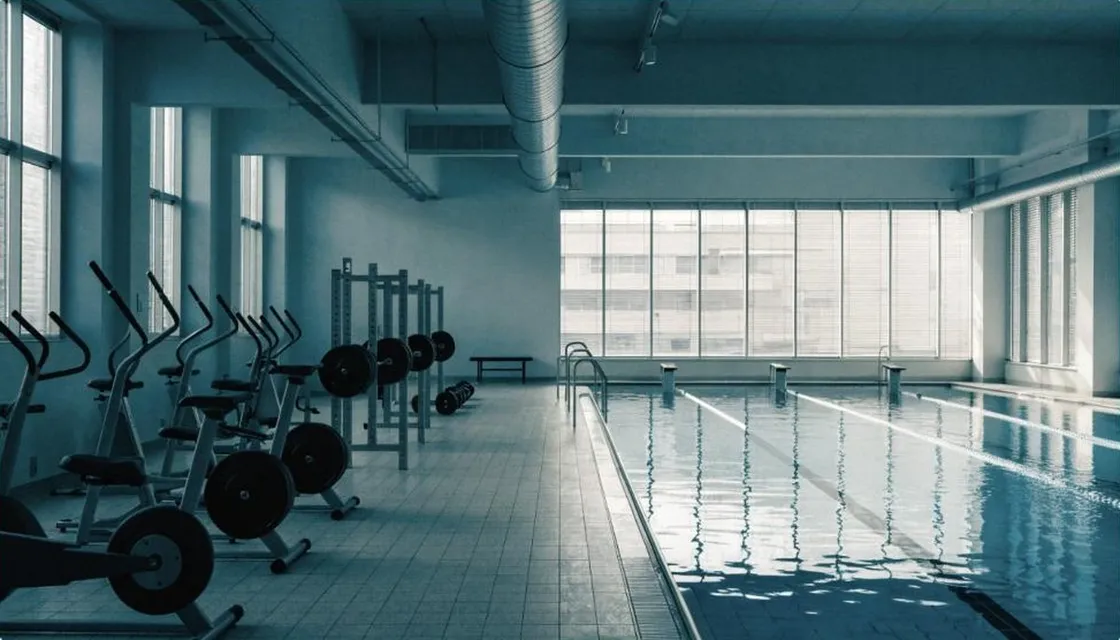
The short answer for anyone in Tokyo for a few weeks or a few months: skip the big-brand membership and use the ward sports centres.
Almost every ward in Tokyo runs its own public gym and pool, most take walk-ins, and a single visit typically costs a few hundred yen rather than several thousand. They are not open to everyone, though. Some wards limit their training rooms to people who live, work or study in the ward, so check eligibility, registration and any first-time orientation before you go.
That one piece of local knowledge solves the problem most nomads run into in their first week here.
The problem is real, though. Tokyo’s commercial gym market is built around residents who commit for a year, and the sign-up process reflects that.
Many chains want a Japanese bank account for direct debit, a local address, an initiation fee, and a minimum contract length. None of that fits a person who leaves in six weeks.
The city is full of places to train. It is just that the obvious ones are the hardest to join.
Ward sports centres are the default answer
Tokyo’s twenty-three wards run public sports facilities, usually called a sports centre or gymnasium, and larger wards have several. Not every centre has both a pool and a training room, so check what a given centre offers before you go.
A typical centre includes a training room with cardio machines and weights, a pool, and multipurpose halls used for badminton, table tennis, or futsal.
The appeal for short stays is the payment model. You pay per visit on the spot, no contract, no bank account, no commitment.
Fees vary by ward and change over time, so check the facility’s own page for current pricing, but the general pattern is that a single training-room or pool session costs in the low hundreds of yen. It is one of the best value things in the city.
Some centres welcome non-residents, though residents may pay less or get booking priority, and some wards restrict use to people who live, work or study there. In Nerima, for example, the first-time training room orientation is open only to ward residents, workers and students aged 15 or over (excluding junior high school students), and it takes about an hour and a half. Check the facility’s page for who is eligible before you plan around it. Bring your passport or residence card in case the desk asks.
A few practical habits smooth the first visit. Indoor training shoes that have not been worn outside are usually required, and staff will ask you to change into them at the entrance.
Some centres run an orientation before you can use the training room for the first time, and it can take as long as Nerima’s hour and a half, so allow for it on day one.
Towels are often not provided, and lockers may want a hundred-yen coin that is returned when you unlock.
Pools, and the etiquette that comes with them
Public pools in Tokyo are excellent and often quiet in the middle of a weekday, which suits a remote schedule perfectly.
Expect a swim cap requirement almost everywhere. This is not negotiable, and pools usually sell cheap ones if you forget.
Lanes are commonly divided by speed, and sometimes by activity, with a walking lane for people doing water walking. Read the signs at the lane ends before you get in.
Many pools also enforce a rest break, often ten minutes every hour, when everyone leaves the water. It feels strange the first time and then becomes a pleasant rhythm.
Tattoos remain a genuine complication at public pools and some gyms. Policies differ by facility and have been loosening slowly, but coverage with tape or a rash guard is often the practical workaround, and it is worth checking the facility’s rules in advance rather than being turned away at the desk.
Commercial chains and the ones that flex
If you want something closer to a Western gym experience, a few options are more short-stay friendly than the traditional big clubs.
24-hour chains, of which Anytime Fitness is the most internationally recognisable in Japan, run on individually owned locations. Terms, joining fees, and minimum periods vary by branch, so it is worth asking a specific gym directly rather than assuming a nationwide policy.
Some locations are more flexible than others for a few months, and a global membership from your home country may be usable at Japanese branches under certain conditions, which is always worth asking about before you pay anything.
The low-cost convenience chains that have expanded rapidly across Japan, with chocoZAP the most visible example, are another route.
These are small, unstaffed, machine-focused spaces, often tucked into a shopfront near a station, priced at the cheap end of the market and signed up for through an app. App sign-ups can ask for a phone number for SMS verification, so check that yours works before counting on one. The equipment is limited and there are no showers in most branches, so they suit maintenance training rather than serious lifting.
Traditional full-service clubs such as Konami Sports, Tipness and Renaissance offer the widest facilities, including pools and studio classes, but tend to be the least flexible on contracts and the most likely to charge an initiation fee.
Some do sell single-visit or short-term passes, particularly at quieter hours, so ask rather than assume.
Hotel gyms are a quiet third option. If you are staying somewhere for a month, the building may have a small fitness room included in the rate, and some city hotels sell day passes to their gym and pool to non-guests.
Building a routine that survives the move
The rhythm that works best for a short stay is usually a mix rather than a single membership.
A ward sports centre two or three times a week for real training, a nearby low-cost chain for quick sessions, and running in one of the city’s parks for everything else covers most needs without a contract.
Tokyo makes the running part easy. The loop around the Imperial Palace, the wide paths in Yoyogi and Komazawa, and the riverside routes along the Sumida and Tama all work well, though summer humidity means early mornings and evenings are far more realistic than midday.
Sento and sauna also deserve a place in the plan. A cheap neighbourhood bathhouse after a training session is one of the more pleasant recovery habits the city offers, and it costs little.
The larger point is that Tokyo does not lack places to train. It lacks obvious ones for people who are not staying for years.
Once you know that the public system exists and takes walk-ins, the barrier mostly disappears.
FAQ
Do I need to speak Japanese to use a ward sports centre?
Not really, though it helps. Front desks may have limited English, but the process is simple and largely gestural: pay, take a ticket, change shoes, go in. Signage at larger centres often includes English, and a translation app covers the rest.
Can I join a gym without a Japanese bank account?
At public facilities, yes, because you pay per visit. Cash at a ticket machine is the safe assumption; some wards, Nerima among them, have switched to machines that also take cashless payment, but it varies by facility. At commercial chains it varies too. Some accept credit cards, some insist on direct debit from a Japanese account, and app-based chains may also want a phone number that can receive SMS. Ask before you visit.
What should I bring on the first visit?
Indoor-only training shoes, a towel, a hundred-yen coin for the locker, and ID. For pools, add a swim cap. Most facilities do not provide towels, and some sell them at a small markup if you forget.